


Route Briefing: Atlanta to Zurich
There's something quietly thrilling about boarding a nonstop flight in Atlanta and stepping off just over ten hours later into one of Europe's most polished, beautiful cities. The direct service to Zurich — operated by Swiss International Air Lines, Delta, and Lufthansa — means no layovers, no connection stress, just a single overnight crossing that deposits you refreshed and ready on the shores of Lake Zurich. For a transatlantic route of this quality, snagging a roundtrip under $700 is genuinely excellent value, though standard fares typically run between $1,000 and $1,400. Book three to six months out, and if you can flex to a midweek departure, you're looking at meaningful savings compared to weekend travel during peak periods.
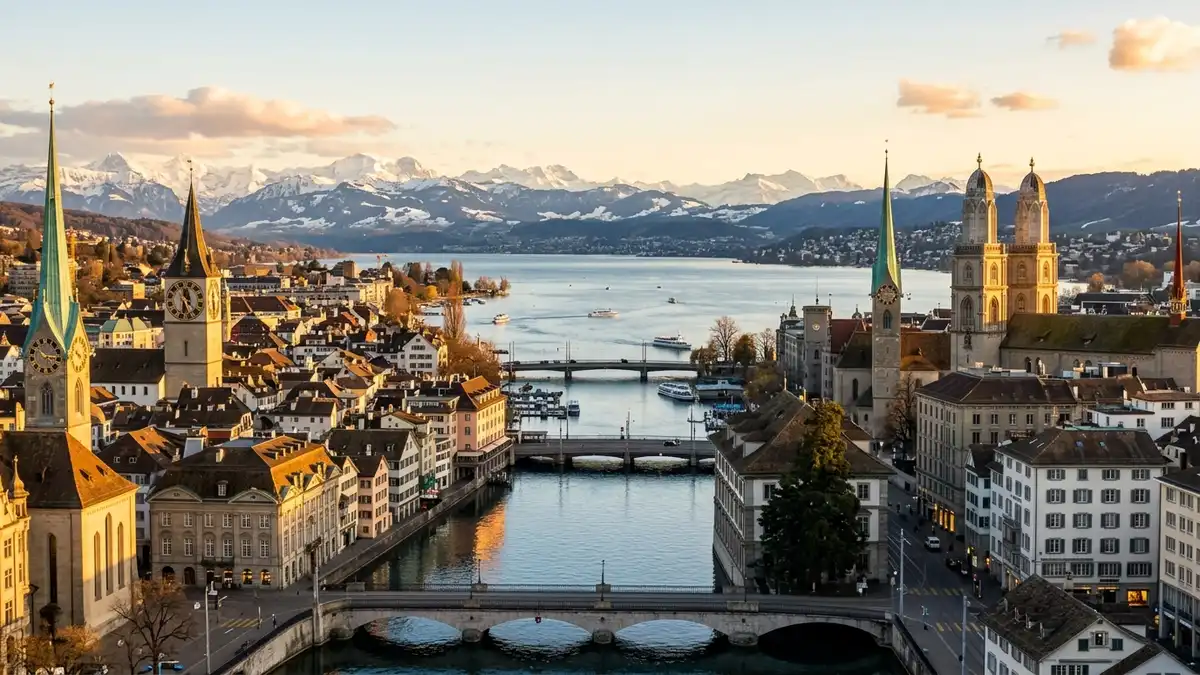
Zurich rewards the curious traveler immediately. The old town, known as Altstadt, sits on both banks of the Limmat River and is the kind of place where medieval guild halls and cobblestone lanes coexist with world-class watchmakers and chocolatiers. The city is immaculately kept — Switzerland's reputation for precision and cleanliness is not exaggerated — and the lake itself is strikingly blue, ringed by hills that hint at the Alps waiting just beyond. On clear days you can see snow-capped peaks from the city center, and the train network makes reaching Lucerne, Interlaken, or the Jungfrau region genuinely easy from Zurich's main station.
Speaking of trains: Zurich Airport has a direct rail connection into the city center that takes roughly ten minutes. It's fast, affordable, and runs frequently — skip the taxi queue and head straight to the airport's underground train station when you land. This is Switzerland's public transport at its finest, and it sets the tone for the whole trip.
Summer, from June through August, is peak season for good reason — long days, warm temperatures, and the Alps at their most accessible for hiking. But don't overlook late spring or early autumn, when crowds thin, prices soften, and the landscape is still gorgeous. Winter brings a different magic entirely, with Christmas markets and ski season drawing visitors to the broader region.
One tip worth remembering: Switzerland is not part of the European Union, which means it operates outside the Schengen currency zone — the Swiss franc is the local currency, and prices reflect one of the world's highest costs of living. Budget accordingly, and lean into the free and low-cost pleasures: lakeside walks, public fountains with drinkable water, and the simple joy of watching a city that actually works perfectly hum along around you.