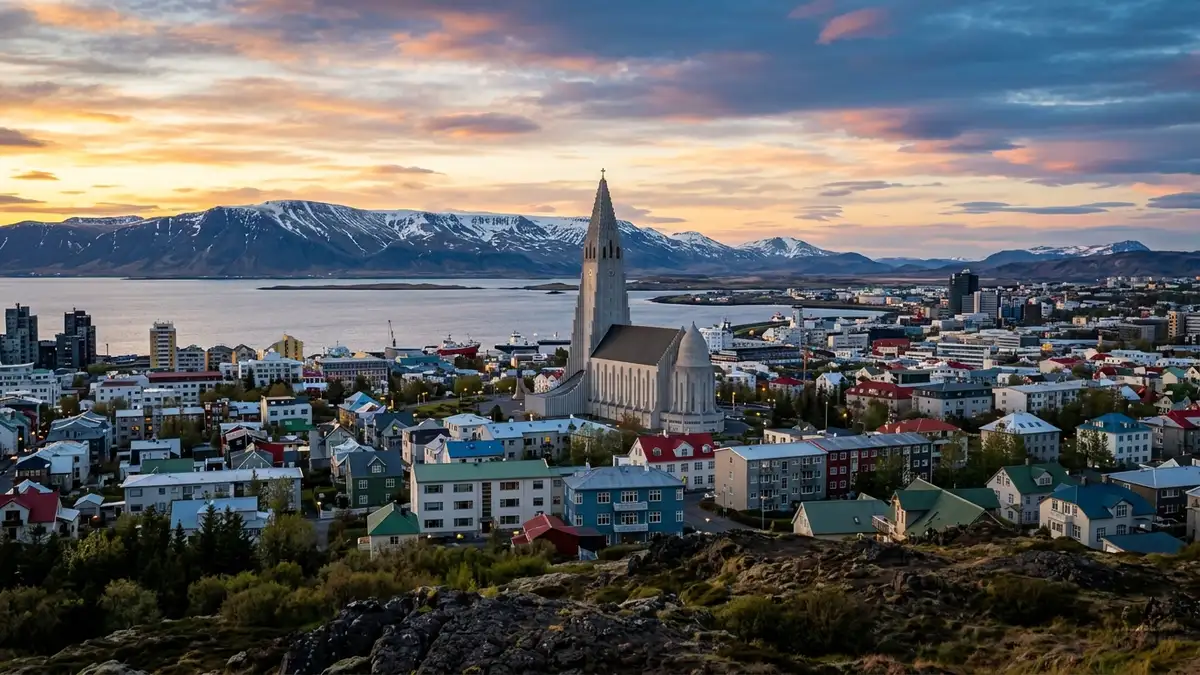



Route Briefing: Chicago to Reykjavik
There's something almost poetic about boarding a plane in the middle of America's busiest hub and landing, just over seven hours later, on a volcanic island sitting at the edge of the Arctic. Chicago to Reykjavik is one of those routes that genuinely earns the word "adventure" — and at under $550 roundtrip when you catch a good deal, it's one of the more rewarding value plays in transatlantic travel.
Icelandair operates this route and is typically your best bet for both direct service and competitive pricing. United also flies it, so it's worth checking both, but Icelandair's fare alert system is worth signing up for — they're known for flash sales that can make an already reasonable route genuinely cheap. Standard fares run $800 to $1,100 or more, so patience and early planning pay off here. If summer is your target, book four to six months out. This route fills fast, and for good reason.
Reykjavik is the world's northernmost capital, and it wears that distinction with quiet confidence. The city itself is compact, walkable, and full of personality — colorful corrugated-iron houses, a thriving café culture, and a music and arts scene that punches well above its weight for a city its size. The food scene leans heavily on fresh seafood and lamb, both exceptional, and the local hot dog stands are a beloved institution worth taking seriously.
Beyond the city, Iceland's landscapes are the real draw. The Golden Circle route loops through geysers, waterfalls, and the site of the world's oldest parliament. The Blue Lagoon geothermal spa sits conveniently close to Keflavik Airport — many travelers stop there on arrival or departure, which is a genuinely smart move for beating jet lag. Speaking of the airport, it's located about 50 kilometers from Reykjavik, and bus transfers into the city are a well-established, affordable option.
Timing shapes your entire experience here. Visit June through August for the midnight sun — that surreal, golden light that never quite disappears — and for the most accessible hiking and road-tripping conditions. Come in winter, roughly November through February, and you're trading long days for the chance to see the Northern Lights dancing overhead, which is as spectacular as advertised. The shoulder seasons of May and September offer a compelling middle ground: fewer crowds, lower prices, and still plenty of daylight.
The one tip that genuinely changes the trip: rent a car. Iceland's Ring Road and the landscapes surrounding Reykjavik are best explored at your own pace, and the freedom to pull over whenever a waterfall or lava field catches your eye is worth every penny.