


Route Briefing: Houston to Berlin
Houston and Berlin might feel like worlds apart, but this transatlantic route connects two cities that share a surprising spirit of reinvention — and for the right fare, it's absolutely worth the journey. United Airlines, Lufthansa, and American Airlines all serve this route, typically routing through Frankfurt or other European hubs, with total travel time around eleven and a half hours. If you can snag a roundtrip under $650, you're looking at genuinely good value for a European capital of this caliber. Standard fares creep up to $900 and beyond, so booking three to six months ahead is your single best move, especially if you're eyeing a summer trip.
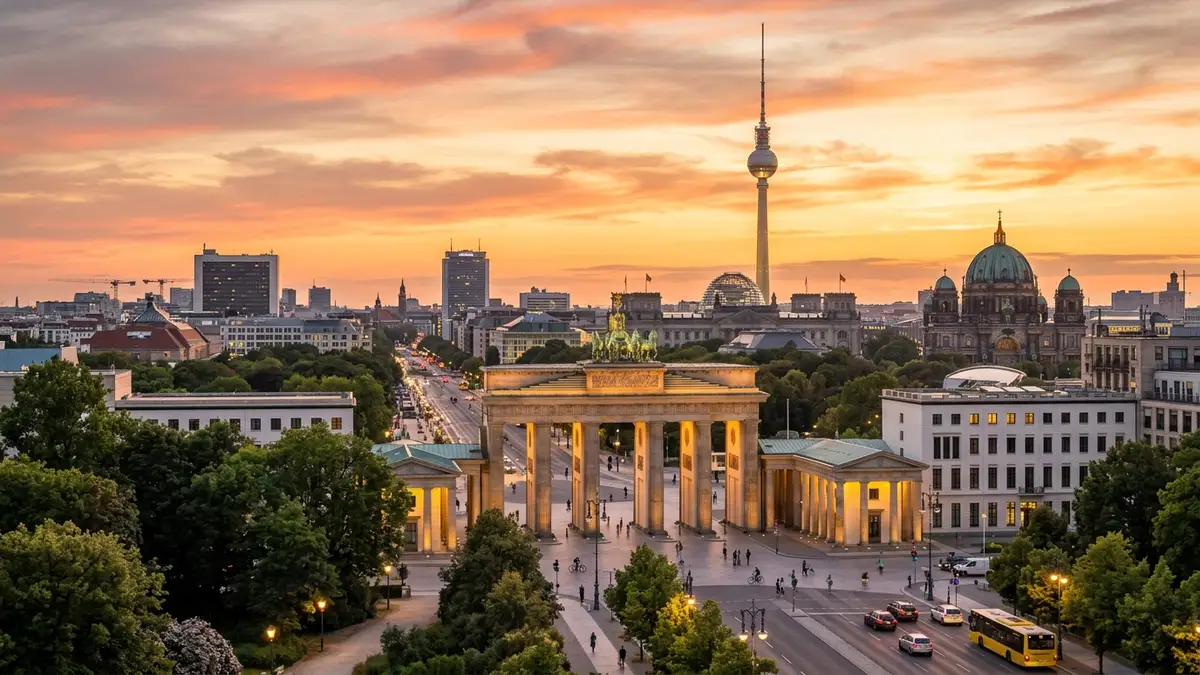
Berlin rewards the curious traveler like few cities in Europe. The weight of twentieth-century history is everywhere — from the remnants of the Berlin Wall along the East Side Gallery to the sobering Memorial to the Murdered Jews of Europe near the Brandenburg Gate. But Berlin never feels like a museum piece. It pulses with contemporary energy: world-class art institutions like the Pergamon Museum on Museum Island, a street food and market culture that reflects the city's deeply international population, and a nightlife scene that has defined European club culture for decades.
Timing matters here. June through August is peak season, when the city's outdoor bars, parks, and festivals are in full swing and the long northern European days feel almost magical. That said, Berlin in shoulder season — think April, May, or September — offers cooler crowds, lower prices, and a more local rhythm. Winter is cold but atmospheric, with Christmas markets that are genuinely special rather than purely touristy.
When you land at Berlin Brandenburg Airport, the city center is accessible by the S-Bahn regional rail, which connects the airport directly to central stations including Ostbahnhof and Hauptbahnhof. It's a straightforward, affordable option that drops you into the heart of things without the stress of navigating unfamiliar roads.
One tip worth keeping in mind: Berlin runs on a culture of cash more than most Western European capitals, so having euros on hand — especially for smaller cafes, markets, and some bars — will save you repeated frustration. The city is also extremely walkable and bikeable between neighborhoods, so factor that into your accommodation choice rather than defaulting to the most central (and priciest) options. A well-located apartment in Prenzlauer Berg or Friedrichshain can put you close to the action at a fraction of the cost, and honestly, living like a Berliner for a week is half the point.