


Route Briefing: New York to Porto
Porto is one of those cities that quietly steals your heart before you even realize it's happening. Compact, atmospheric, and utterly authentic, it rewards travelers who want Europe without the theme-park crowds — and from New York, it's more accessible than you might think.
The flight runs around eight and a half hours with a typical connection, most often through Lisbon. TAP Air Portugal is the natural choice here — they fly the route regularly, their Lisbon hub makes for a smooth transfer, and they consistently offer the most competitive fares. When prices dip below $500 roundtrip, that's genuinely excellent value for transatlantic travel to Western Europe. Standard fares tend to run $800 to $1,100 or more, so timing your search matters. Book three to five months ahead if you're targeting summer, and keep an eye on TAP specifically — they run promotional fares that can undercut the competition significantly.
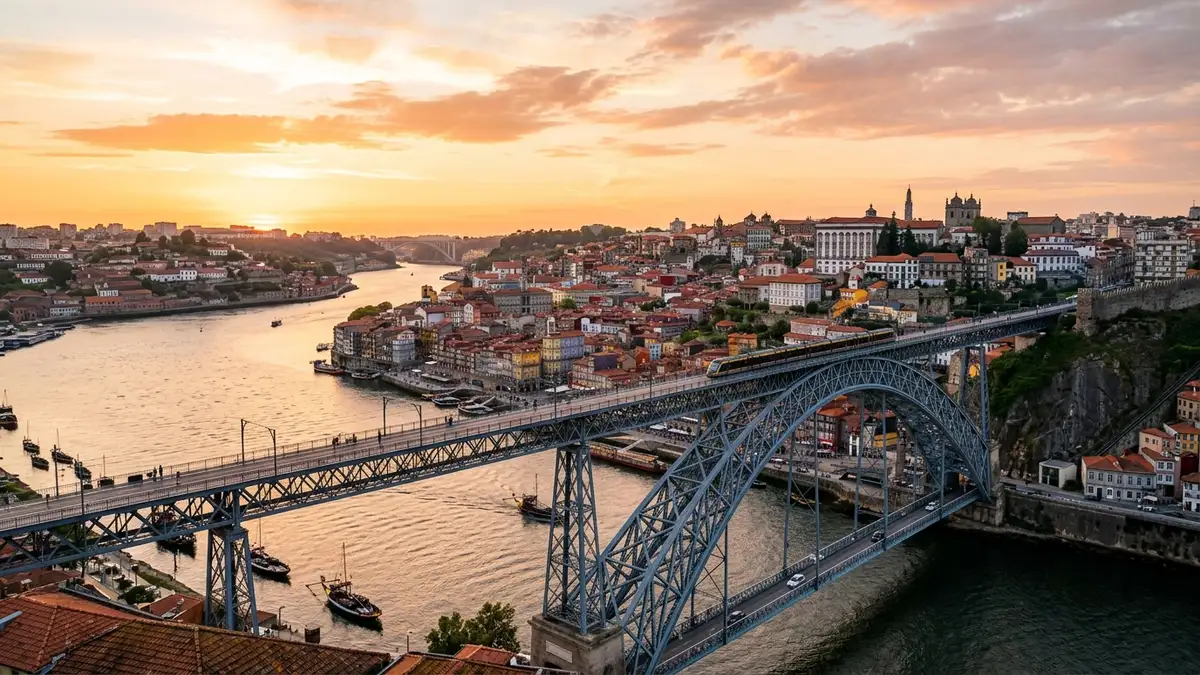
Porto itself sits along the Douro River in northern Portugal, and the geography alone is dramatic. The city tumbles down steep hillsides toward the water, with the Ribeira district — a UNESCO World Heritage area — hugging the riverbank in a jumble of narrow lanes, colorful tiled facades, and outdoor restaurants. Those azulejo tiles are everywhere, decorating church exteriors, train station walls, and ordinary building fronts in intricate blue-and-white patterns that feel like the city's visual language.
The port wine experience is unmissable. The wine lodges are clustered in Vila Nova de Gaia, directly across the river from Ribeira, and most offer tastings and cellar tours. This is where port has been aged and shipped for centuries, and walking through those cool, barrel-lined cellars while sipping a glass of tawny is exactly as good as it sounds.
Peak season runs June through August, when the weather is warm and sunny and the city buzzes with energy. That said, Porto's shoulder seasons — particularly May and September — offer genuinely pleasant weather with noticeably thinner crowds and softer prices on accommodation.
Getting from Francisco Sá Carneiro Airport into the city center is straightforward. The Metro's Violet line connects the airport directly to central Porto, making it one of the easier airport-to-city transfers in Europe — affordable, reliable, and no taxi negotiation required.
The one tip worth burning into your memory: don't rush Porto. It's a city built for wandering, for getting slightly lost on a hillside, for lingering over a glass of wine as the sun drops behind the Douro. Give it at least four or five days and let it unfold at its own unhurried pace.