


Route Briefing: Paris to Boston
There's something poetic about flying from the city that inspired revolution to the city that started one. Paris to Boston is a transatlantic crossing that feels genuinely purposeful — two cities bound by history, intellectual energy, and an almost competitive pride in their food scenes. At around seven and a half hours direct, it's one of the more manageable long-haul routes from Europe, and with carriers like Air France, Delta, and Norse Atlantic Airways all operating it year-round, you have real options across different price points and comfort levels.
Landing at Logan International puts you remarkably close to the action. The airport sits right on Boston Harbor, and the Silver Line bus connects directly to South Station in the city center without costing you much at all — a genuinely underrated arrival move that bypasses taxi queues and gets you oriented fast.
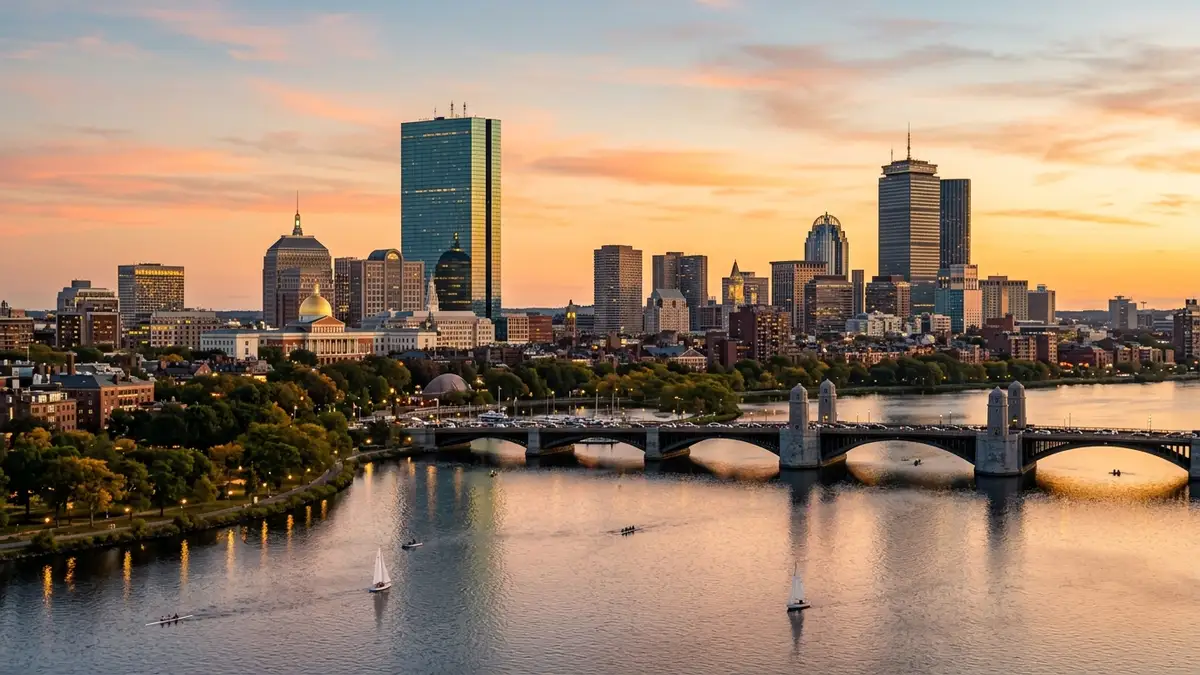
Boston rewards walkers in a way that few American cities do. The Freedom Trail is the obvious starting point — a literal red line painted through the streets connecting sixteen historic sites, from the Boston Common to the Bunker Hill Monument in Charlestown. Follow it at your own pace and you'll absorb more American history per mile than almost anywhere else on the continent. The neighborhoods are equally compelling: the cobblestoned charm of Beacon Hill, the Italian bakeries and cafés of the North End, the waterfront energy of the Seaport District. Harvard and MIT sit just across the Charles River in Cambridge, and both campuses are worth an afternoon wander even if you have no academic agenda.
The seafood here is the real deal. New England clam chowder, lobster rolls, fresh oysters — Boston takes these seriously, and you should too. The city's food culture has evolved well beyond its traditional roots, but the classics remain the benchmark.
Timing matters on this route. Peak season runs June through August, when the city is alive with outdoor events and the universities draw visitors from everywhere. Fares reflect that demand, regularly climbing above eight hundred dollars roundtrip. If your schedule allows, shoulder seasons — particularly September and October — offer a compelling alternative. Fall foliage in New England is genuinely spectacular, the city feels less crowded, and you stand a much better chance of finding roundtrip fares under five hundred dollars, which is the threshold where this route becomes an excellent value. Booking two to four months ahead and flying mid-week rather than on weekends can shave another meaningful chunk off the price. A little flexibility goes a long way on a route this popular.