


Route Briefing: Seattle to Barbados
Flying from Seattle to Barbados is a genuine journey — around nine and a half hours with a connection, typically through Miami or New York — but the moment you step off the plane at Grantley Adams International Airport and feel that warm Caribbean air, every minute in transit makes complete sense. This is a route worth planning carefully, and the payoff is enormous.
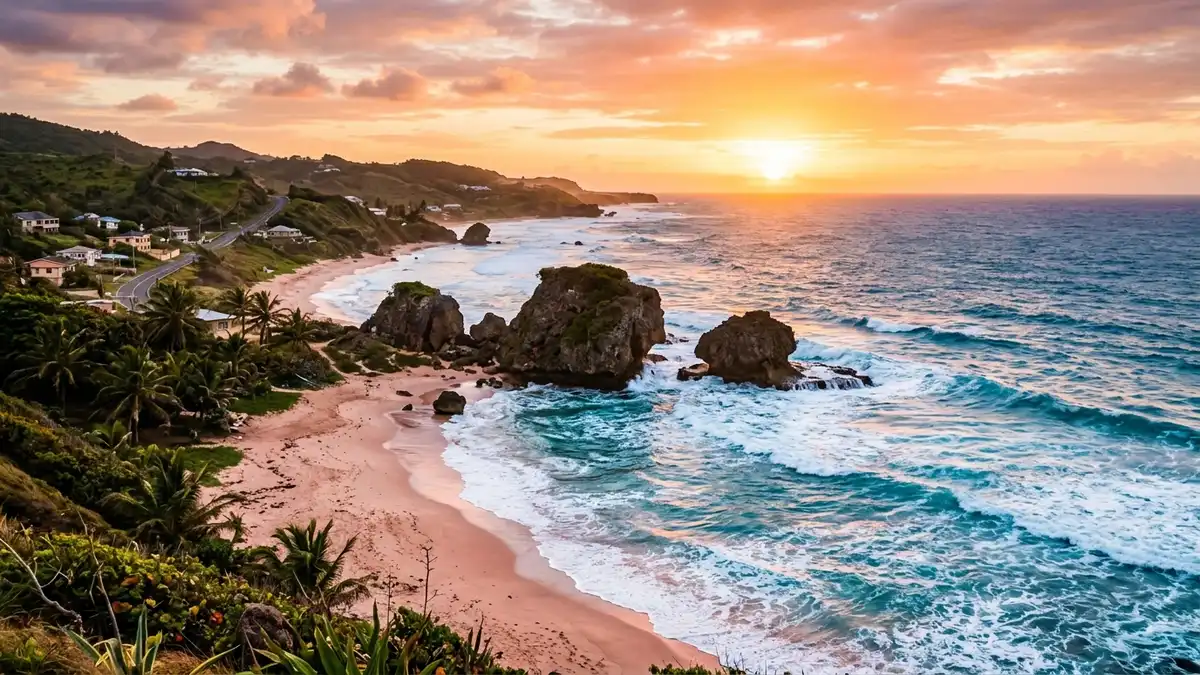
Barbados sits at the eastern edge of the Caribbean, and it has a personality all its own. The British colonial influence runs deep — you'll notice it in the architecture of Bridgetown, the island's capital and a UNESCO World Heritage Site, in the local love of cricket, and in a certain unhurried politeness that feels genuinely charming rather than performative. The beaches range from the calm, turquoise west coast to the wilder, wave-driven Atlantic shores on the east, and yes, some of the southern beaches do have that famously pinkish tinge to the sand. Rum is practically a cultural institution here — Barbados has been producing it for centuries, and visiting one of the island's historic distilleries is as much a history lesson as it is a tasting experience.
From Grantley Adams, taxis are the most straightforward way to reach your accommodation, and fares to most parts of the island are relatively fixed and posted — always confirm the price before you get in. Public buses and route taxis also operate across the island if you want to travel like a local and save some money along the way.
Timing matters on this route. Peak season runs December through April, when the weather is driest and the island buzzes with visitors. Fares reflect that demand, so if you're targeting winter sun, book three to six months ahead to have any chance of landing a roundtrip under $550 — which is genuinely achievable if you're flexible and patient. American Airlines, JetBlue, and Caribbean Airlines all serve this route, with connections through Miami and New York offering the most consistent options and competitive pricing. Summer travel is quieter and often cheaper, and while there's some hurricane season risk from June onward, many travelers find the shoulder months of May and November offer a sweet spot of good weather, thinner crowds, and softer prices.
The one tip that consistently makes a difference: build at least ten days into your itinerary if you can. Barbados rewards slow exploration — the food scene, the rum shops, the coastal roads — and a rushed long-weekend visit barely scratches the surface of what this island genuinely offers.