


Route Briefing: Washington D.C. to Berlin
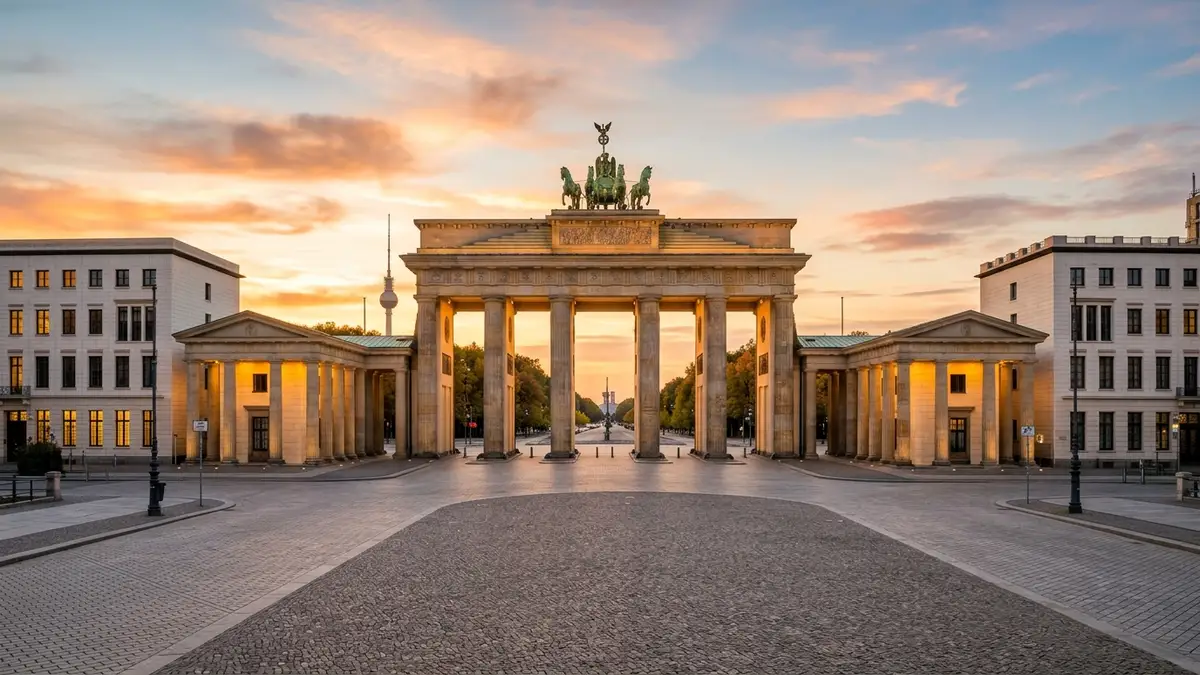
Few cities reward the transatlantic journey quite like Berlin does. There's a rawness and intellectual energy here that you simply won't find in more polished European capitals — this is a city that has been torn apart and rebuilt, literally and figuratively, and that history is visible on every corner. From the remnants of the Wall to the extraordinary concentration of museums on Museum Island, Berlin doesn't just tell you about the past; it makes you feel it.
The flight from Washington is a solid commitment — around nine and a half hours direct, or stretching to twelve or more if you're connecting. United Airlines and Lufthansa both serve this route regularly, and if you're flexible, Air Canada can be worth checking too. A roundtrip under $600 is genuinely a good deal here; standard pricing tends to run $900 to well over $1,200, so when fares dip, it's worth jumping. Book three to six months out if you're targeting summer, and lean toward midweek departures — flying Tuesday or Wednesday instead of Friday can shave a meaningful amount off your ticket.
Speaking of summer: June through August is peak season, and for good reason. The city comes alive with outdoor festivals, long evenings, and a street culture that spills out of every bar and park. That said, Berlin in shoulder season — think April, May, or September — offers cooler crowds, lower prices, and weather that's still perfectly comfortable for walking the city's wide boulevards and canal-side neighborhoods.
On arrival at Berlin Brandenburg Airport, the S-Bahn train connects you directly into the city center, making it one of the more straightforward airport transfers in Europe. Skip the taxi queue and you'll be in Mitte or Prenzlauer Berg in under an hour.
Once you're there, give yourself time to simply wander. The city's neighborhoods each have a distinct personality — the creative energy of Kreuzberg, the leafy calm of Charlottenburg, the historic weight of the Unter den Linden boulevard. Museum Island alone could occupy two full days, and the Pergamon Museum houses ancient architectural wonders that genuinely stop you in your tracks. Berlin's food scene is unpretentious and international, reflecting decades of immigration and reinvention, and the coffee culture is serious enough to satisfy even the most demanding caffeine habits.
The one tip that consistently makes Berlin better: buy a multi-day transit pass on arrival. The U-Bahn and S-Bahn network is extensive and reliable, and having unlimited access means you'll explore far more than you would otherwise. Berlin rewards the curious, and getting around easily is half the battle.