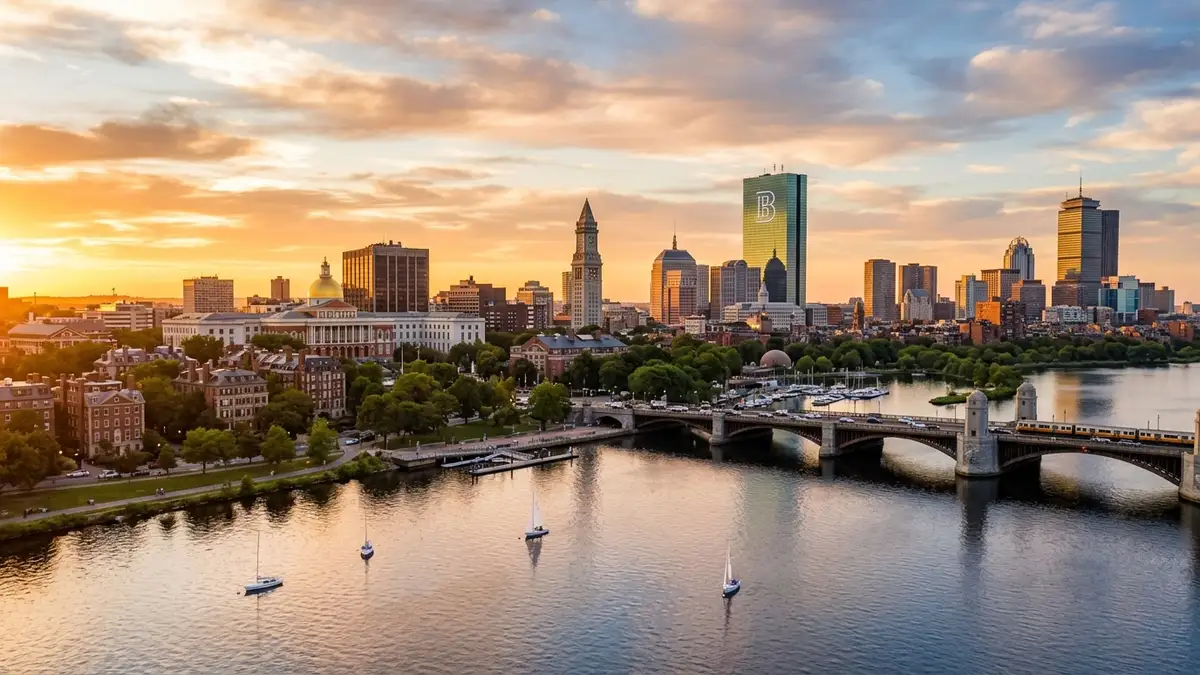



Route Briefing: Washington D.C. to Boston
The D.C. to Boston corridor is one of the most historically rich routes on the East Coast, connecting two cities that essentially wrote the American story. At just an hour and twenty minutes in the air, flying beats the alternative of sitting in I-95 traffic, and when you can snag a roundtrip for under $150 — which is genuinely achievable if you book two to four weeks out and target mid-week departures — it becomes an easy weekend decision. American, Delta, and United all serve this route year-round, so you have solid options and real competition keeping prices honest.
Boston rewards the curious traveler immediately. The Freedom Trail is the obvious starting point, a red-brick path threading through downtown that connects sixteen historic sites including the Massachusetts State House, Paul Revere's house, and the Bunker Hill Monument. What makes it special is that these aren't reconstructions — you're walking through a genuinely old city where the history is embedded in the architecture itself. The neighborhoods are equally compelling. Beacon Hill's gas-lit streets feel like a different century, while the North End, Boston's Italian quarter, is one of the most atmospheric urban neighborhoods in America, dense with bakeries and trattorias that have been feeding locals for generations.
The seafood here is the real deal. New England clam chowder, lobster rolls, and fresh oysters are staples you'll find done properly across the city. The waterfront area around the Seaport and the historic Faneuil Hall Marketplace are both solid spots to eat well without straying far from the main sights.
Getting from Logan International Airport into the city is straightforward and cheap. The Silver Line bus connects directly from the terminals to South Station and is free from the airport, making it one of the best airport transit deals in any American city. From South Station you can connect to the rest of the MBTA subway system, known locally as the T, which covers most neighborhoods visitors care about.
Timing-wise, summer between June and August is peak season when the city is buzzing and the harbor is beautiful, but it comes with higher prices and crowds. Fall is arguably the better choice — the foliage in and around Boston is spectacular, the weather is crisp and pleasant, and the city feels more like itself once the summer tourists thin out. If you're flexible, a mid-October trip combines great weather with lower fares and a city at its most charming.