


Route Briefing: Washington D.C. to Copenhagen
There's something quietly thrilling about a direct transatlantic flight that deposits you, just nine and a half hours after leaving the Washington area, into one of the most livable, lovable cities on earth. Copenhagen doesn't announce itself with chaos or spectacle — it seduces you slowly, with candlelit cafés, impeccably designed everything, and a cycling culture so embedded in daily life that you'll feel slightly embarrassed for ever owning a car.
The route runs year-round, which is part of what makes it so appealing for flexible travelers. Scandinavian Airlines and United both serve this corridor, giving you reasonable options whether you're chasing loyalty points or simply the lowest fare. A genuinely good deal lands under $600 roundtrip — that's the number to hold out for. Standard pricing climbs to $900 and well beyond, so timing your search matters enormously. Book three to five months ahead if you're targeting summer, when Copenhagen fills with visitors drawn by long Nordic days and the city's famous outdoor energy. If your schedule bends, departing from Dulles on a Tuesday or Wednesday rather than a weekend can shave a meaningful 10 to 20 percent off your fare — a real saving on a transatlantic ticket.
Once you land at Copenhagen Airport, the city center is refreshingly close. The Metro connects the airport directly to the heart of the city in roughly fifteen minutes, making arrival one of the least stressful parts of any European trip. Drop your bags and you're already somewhere worth being.
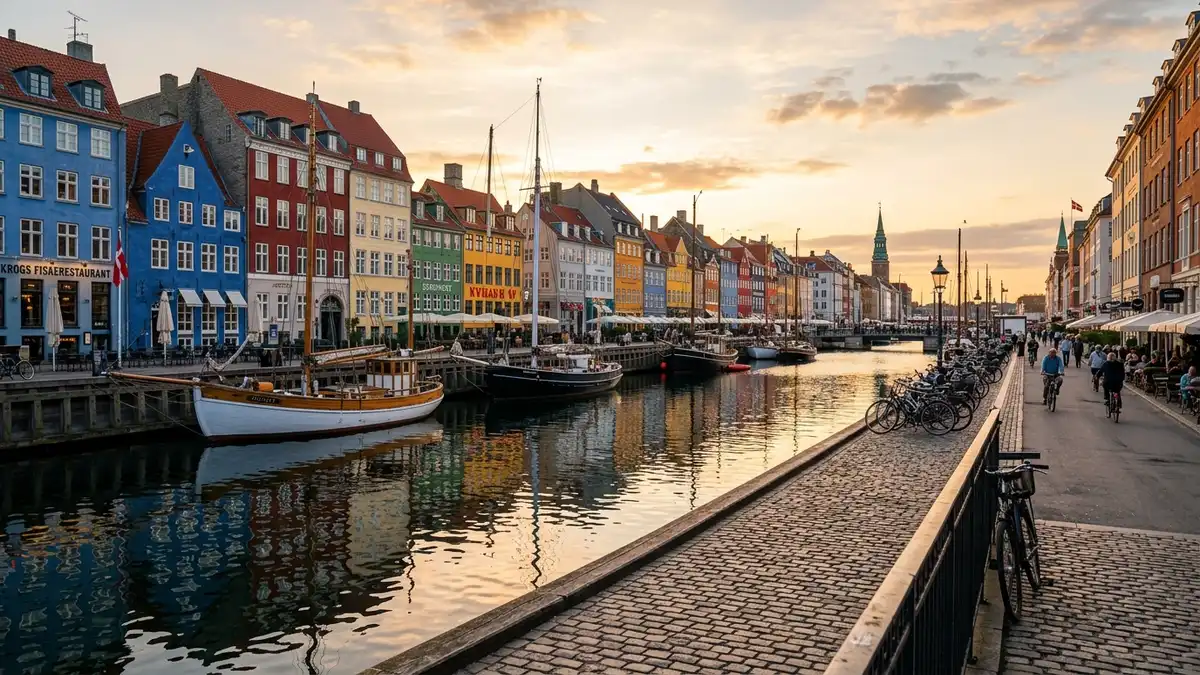
The city rewards wandering. Nyhavn — that iconic canal lined with brightly painted 17th-century townhouses — is every bit as charming as the photographs suggest, and it anchors a waterfront neighborhood that bleeds naturally into excellent dining and design shops. Copenhagen has become a serious culinary destination, with a concentration of Michelin-starred restaurants that punches well above the city's size. Even without splurging on a tasting menu, the food culture here is exceptional — open-faced smørrebrød sandwiches, fresh pastries, and the kind of coffee taken seriously enough to border on ceremony.
The Danish concept of hygge — that untranslatable sense of cozy, convivial warmth — isn't just a marketing phrase. You feel it in the way the city slows down in the evenings, in the glow of candles through restaurant windows, in the unhurried pace of people who genuinely seem to enjoy where they live. Come in summer for the energy and the light. Come in winter if you want the hygge at full intensity, when the city leans into its warmth against the cold with particular conviction.