


Route Briefing: Washington D.C. to Maui
There are flights, and then there are flights that feel like a reward in themselves — and the journey from Washington D.C. to Maui's Kahului Airport is firmly in the second category. Yes, you're looking at around eleven and a half hours with a connection, typically routing through a West Coast hub like Los Angeles, San Francisco, or Seattle, but what's waiting on the other side makes every minute worthwhile. This is Hawaii's Valley Isle, and it earns that reputation daily.
Maui operates on a different frequency than the rest of the world. The air smells different, the light falls differently, and the pace of life adjusts itself almost immediately. Coming from the D.C. hustle — the politics, the commutes, the relentless urgency — the contrast is genuinely therapeutic. From Kahului Airport, rental cars are the most practical way to explore, and honestly, you'll want one. Maui's geography rewards drivers.
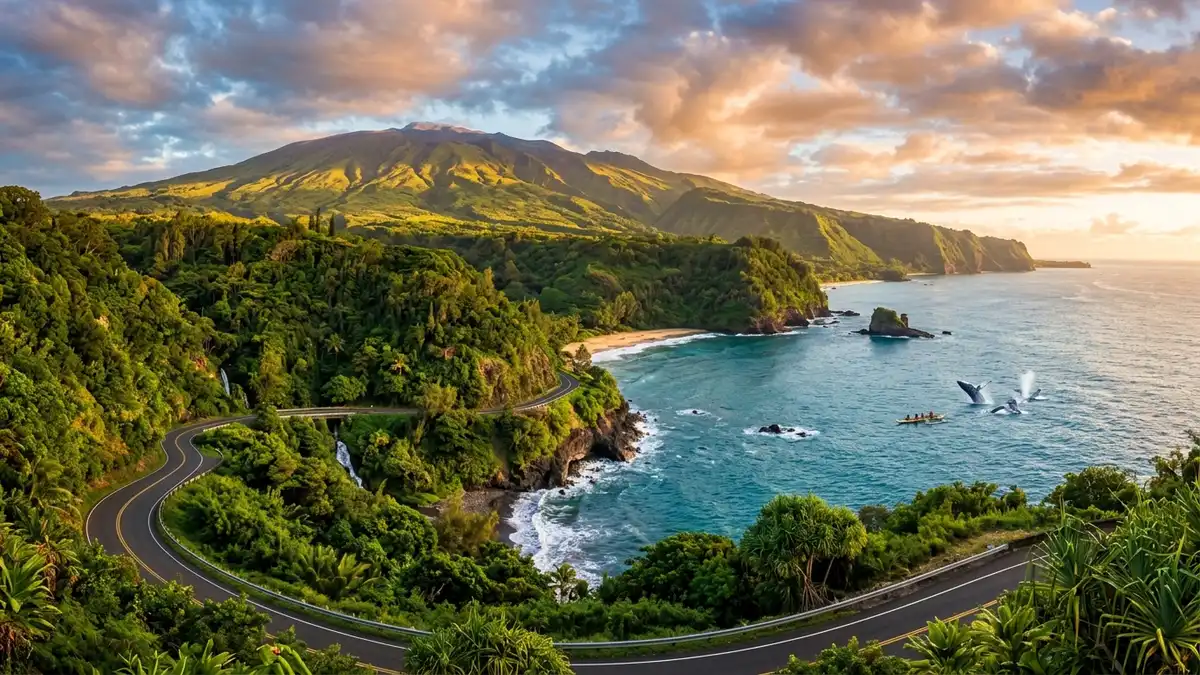
The experiences here are the kind that become permanent memories. Watching the sunrise from the summit of Haleakalā, the dormant volcano that dominates the island's eastern half, is one of those rare travel moments that lives up to every photograph you've seen. The Road to Hana, winding through rainforest, past waterfalls and black sand beaches, is best done slowly and without a rigid schedule. Between December and April, humpback whales migrate to the warm waters around Maui in remarkable numbers, making it one of the finest whale-watching destinations in the world.
Timing matters on this route. Peak season runs December through January and again June through August, when fares can climb well above nine hundred dollars roundtrip. If you can find a ticket under six hundred dollars roundtrip, that's a genuinely strong deal worth snapping up. United, American, and Alaska Airlines all serve this route regularly, so you have real options. Booking three to six months ahead is the sweet spot, particularly if you're targeting the winter holidays or summer break.
The single best tip for this route: consider traveling in the shoulder months of September, October, or early November. Crowds thin out noticeably, prices soften, and the weather remains warm and largely sunny. You'll find the Road to Hana far less congested, and the island's quieter rhythms become more accessible. For East Coasters making the long haul, that trade-off — a slightly less glamorous travel window for a dramatically better on-the-ground experience — is almost always worth it.