


Route Briefing: Washington D.C. to Toronto
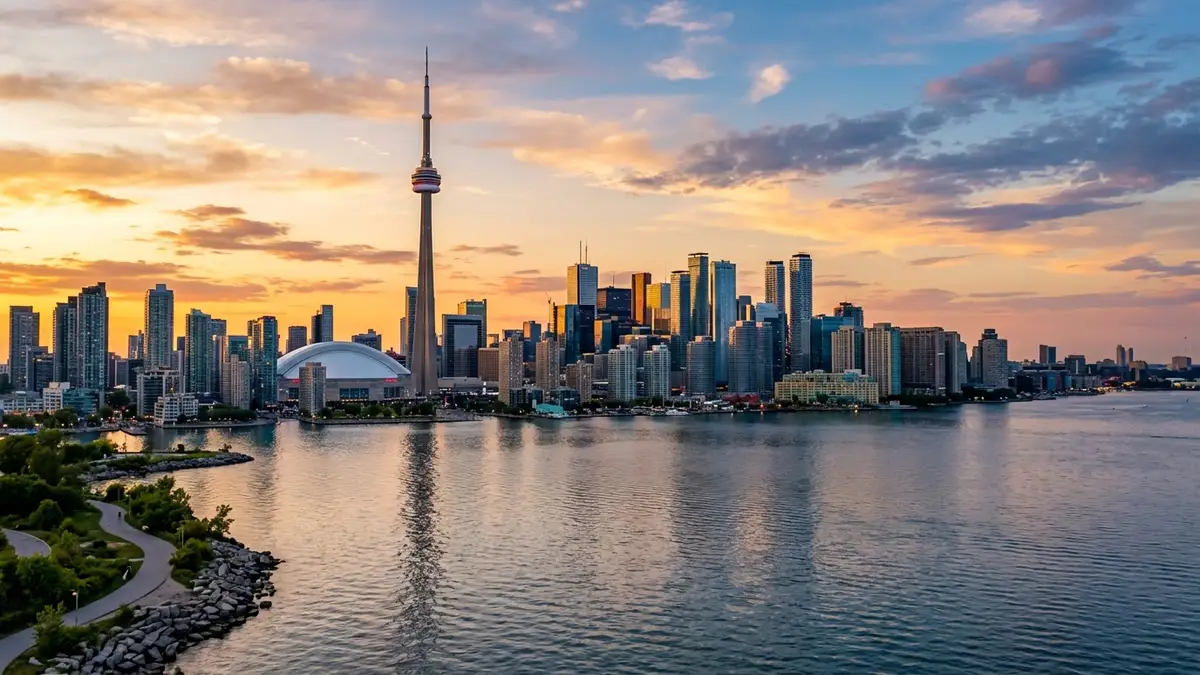
Just ninety minutes in the air separates Washington D.C. from one of North America's most exciting and underrated city escapes. Toronto is a genuine world city — sprawling, confident, and buzzing with a cultural energy that surprises first-time visitors who expect something quieter than New York but get something entirely its own. For D.C. residents used to navigating a city defined by politics and monuments, Toronto offers a refreshing shift: a skyline anchored by the iconic CN Tower, neighborhoods that feel like distinct villages, and a food scene shaped by waves of immigration from every corner of the globe.
The city's diversity isn't just a talking point — it's something you taste and feel as you move between neighborhoods. Kensington Market has a wonderfully chaotic, bohemian energy, Chinatown spills into the streets around it, and Distillery District offers beautifully preserved Victorian industrial architecture now filled with galleries, cafés, and independent shops. If you have an extra day, Niagara Falls is an easy day trip by bus or car — one of those experiences that genuinely lives up to the hype when you're standing close enough to feel the mist.
Getting from Pearson International Airport into the city is straightforward. The Union Pearson Express train runs directly between the airport and Union Station downtown in roughly twenty-five minutes, making it one of the smoothest airport-to-city connections in North America. Skip the cab queue and take the train — your future self will thank you.
On the fare side, this route is a genuine bargain when timed right. Roundtrip tickets under $200 do appear, particularly if you book four to eight weeks out and fly mid-week. Air Canada, United, and American all serve the route, so there's real competition keeping prices honest. Avoid Friday and Sunday departures if flexibility allows — mid-week flights tend to run noticeably cheaper on this corridor.
Timing your visit matters. Summer between June and August is peak season when the city is at its most alive, with outdoor festivals and long warm evenings, but fares and hotels climb accordingly. Late spring and early fall offer a sweet spot — comfortable temperatures, thinner crowds, and better value across the board. Toronto winters are genuinely cold, but if you're chasing low fares and don't mind bundling up, you'll find the city remarkably lively year-round.
One tip worth remembering: Toronto is a city best explored on foot and by transit, so staying downtown near Union Station puts you within easy reach of almost everything worth seeing without needing a car.