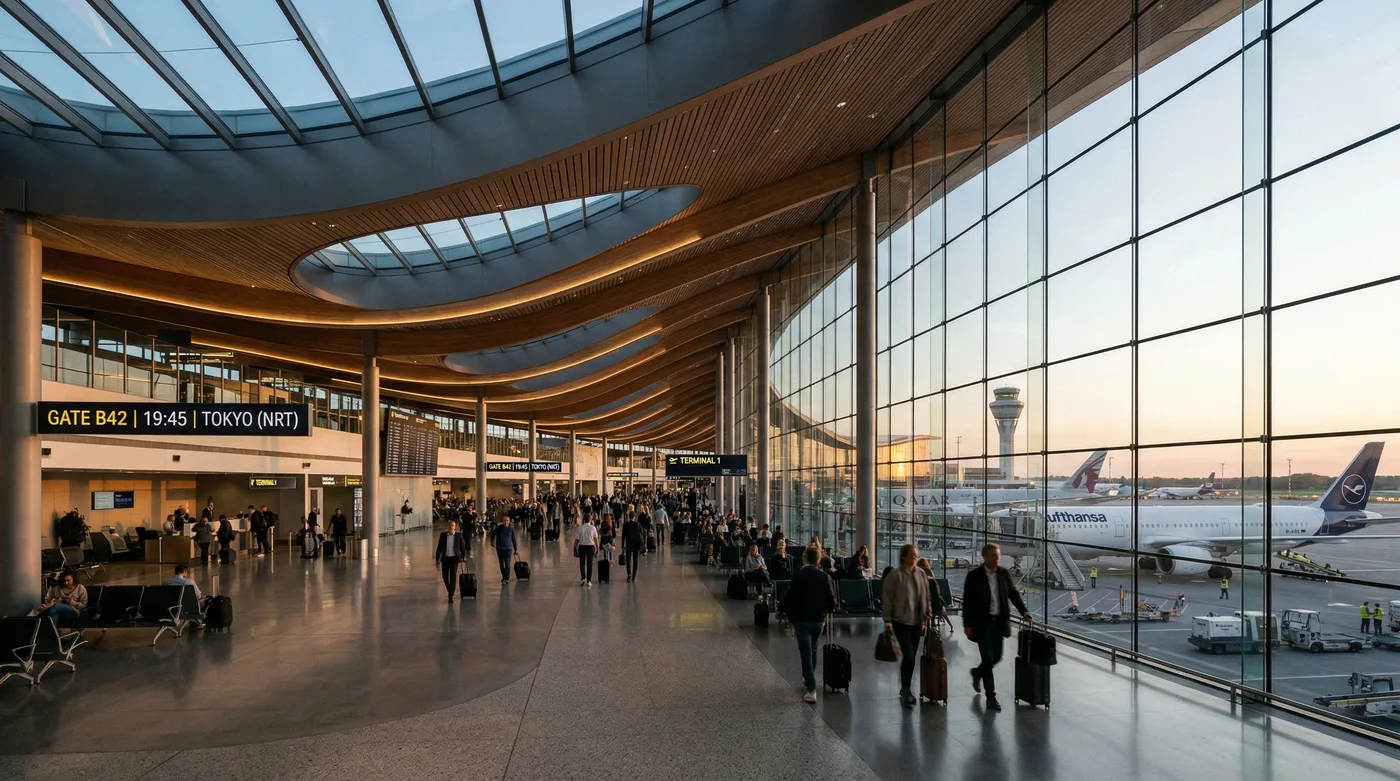
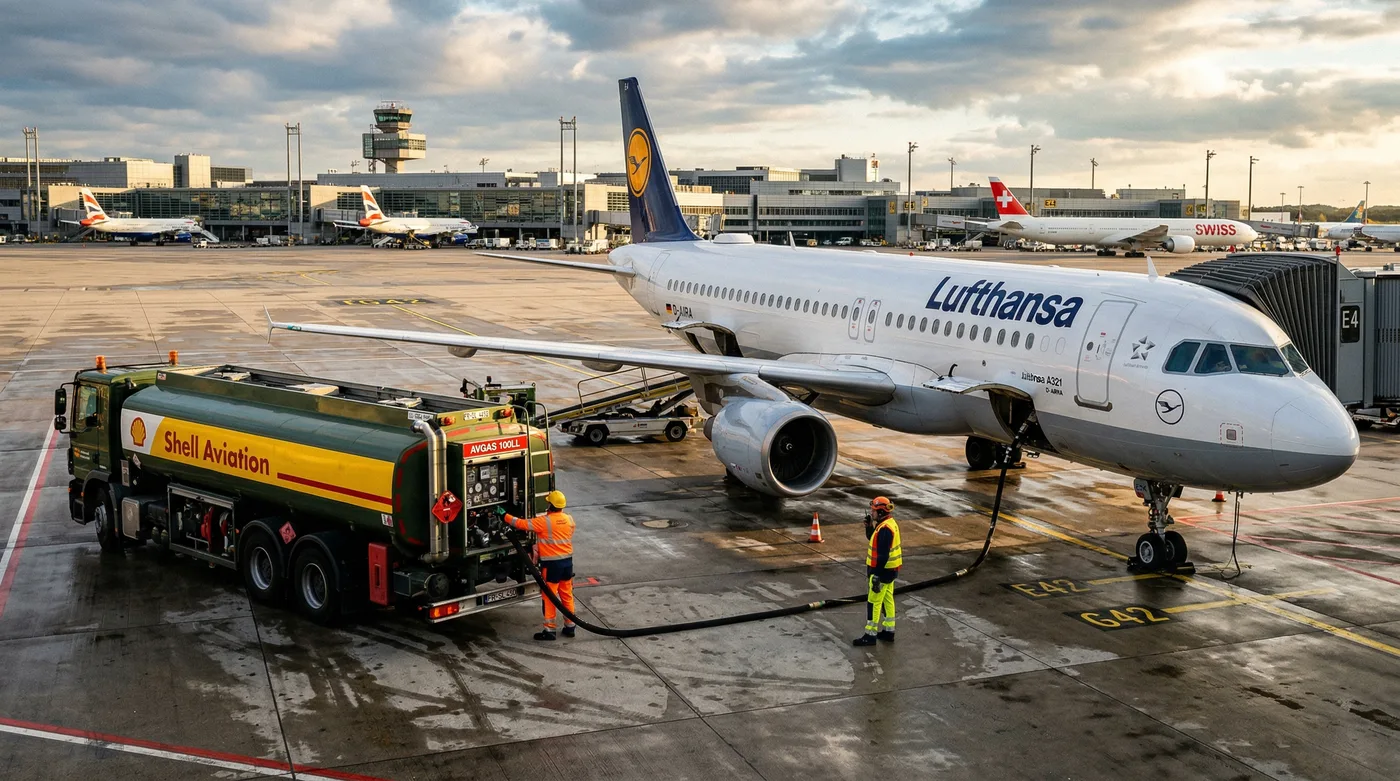
My first international flight was on Icelandair. I booked it because it was $389 from JFK to Amsterdam with a free stopover in Reykjavik, and I thought I was a genius. What I did not account for: I had a middle seat for seven hours, I forgot to download my boarding pass offline, and I spent 40 minutes in Keflavik Airport convinced I had missed my connection because I didn't understand how gate changes work in small airports. Reader, I had not missed it. The gate was 90 feet away.
If you're about to take your first international flight, this guide is the one I wish existed. Not the one that tells you to "pack light and stay hydrated" — the one with the actual numbers, the actual airlines, and the actual mistakes worth avoiding.
What passport and visa stuff actually matters
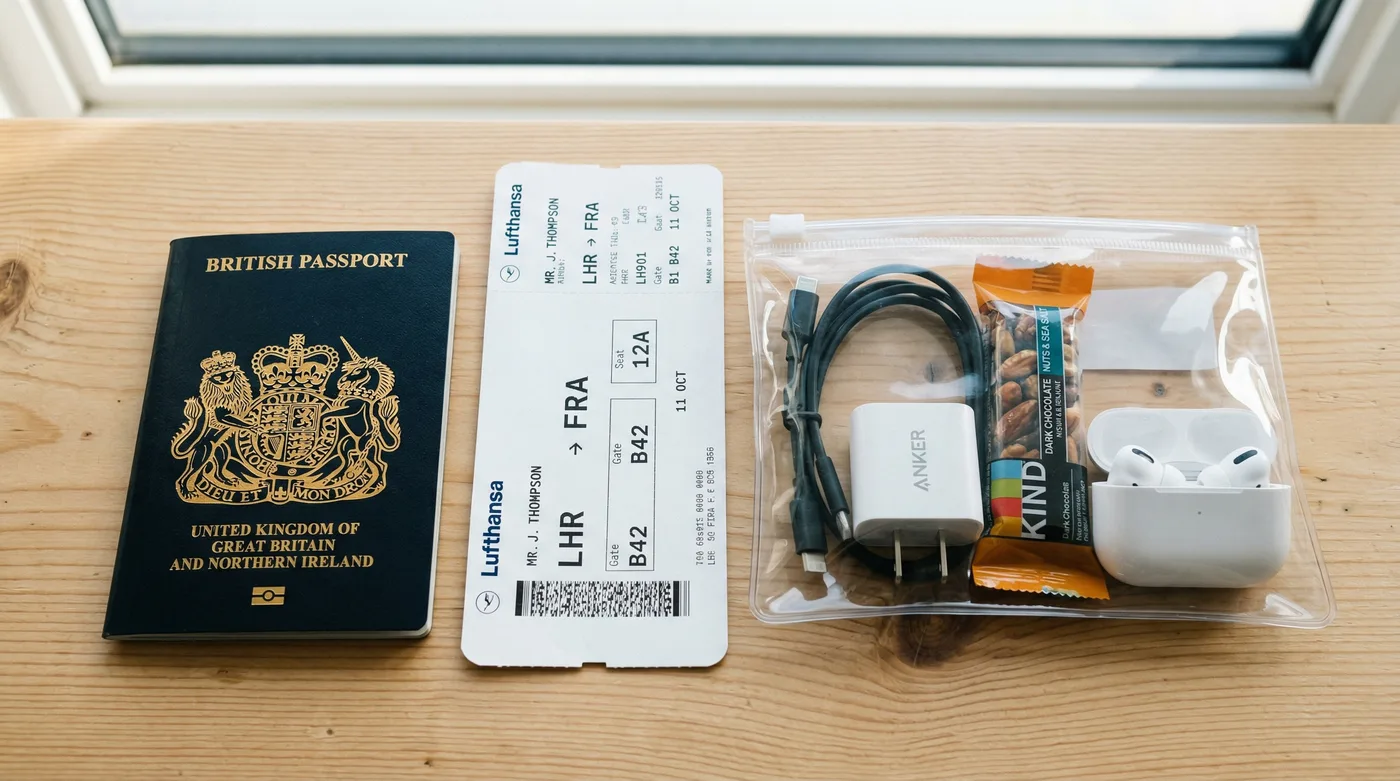
Before you book a single thing: check your passport expiration date. Most countries require your passport to be valid for at least six months beyond your travel dates. If you're flying to the EU in June 2026 and your passport expires in September 2026, you may be denied boarding. Airlines will catch this at check-in and they will not care that you already paid for the trip.
If you need a new passport, the U.S. State Department's standard processing time in 2026 is running 6-8 weeks. Expedited is 2-3 weeks for an extra $60. Don't cut it close.
Visa requirements depend entirely on where you're going and what passport you hold. Americans can enter most of Europe, Mexico, Japan, and dozens of other countries visa-free for 90 days or less. But the EU's ETIAS system — which launched in 2025 — now requires a pre-registration for U.S. travelers, similar to Canada's eTA. It costs €7 and takes about 10 minutes online. Don't skip it and then discover it at the airport.
For countries that do require a visa (India, China, Brazil for some nationalities), start the process at least 6-8 weeks before departure.
How to actually find a cheap international fare
Here's where most first-timers get it wrong: they search for flights the same week they want to travel, on a Tuesday afternoon, on one website, and then complain that international flights are expensive.
They are not inherently expensive. They are expensive if you search badly.
The sweet spot for booking transatlantic economy is typically 2-4 months out. For Asia, 3-5 months. Fares from major U.S. hubs to Europe regularly dip below $500 round-trip, and if you're flexible, below $400. In early 2026, TAP Air Portugal was running JFK-LIS at $347 round-trip during shoulder season. United had ORD-FRA at $412. These aren't flukes — they're what happens when you're watching the right routes at the right time.
This is exactly what FlightKitten is built for. Set a hunt on your target route, define a price ceiling, and you'll get a pounce alert the moment the fare drops into range. I have caught more sub-$400 transatlantic fares through alerts than through any amount of manual searching, and I search a lot.
| Route | Airline | Typical economy range | Budget target |
|---|---|---|---|
| JFK-LIS | TAP Air Portugal | $380-$650 | Under $420 |
| ORD-FRA | United / Lufthansa | $400-$720 | Under $480 |
| LAX-CDG | Air France / Norse | $420-$800 | Under $500 |
| MIA-BCN | Iberia | $390-$680 | Under $450 |
| BOS-DUB | Aer Lingus | $340-$590 | Under $400 |
Understanding what your ticket actually includes
This is the part that surprises first-timers the most, and it's where airlines quietly make a lot of money.
Basic economy fares — the cheapest bucket on most carriers — often come with no free carry-on bag, no seat selection, and no changes. On American, Delta, and United, basic economy transatlantic fares typically allow one personal item (under-seat bag) but charge $35-$75 for a carry-on. On budget carriers like Norse or Condor, you might pay for everything including seat assignment.
Full economy (sometimes called "Main Cabin" or "Economy Flex") usually includes one carry-on and one checked bag on international routes, plus free seat selection. The price difference is often $40-$80 — which can be worth it once you add up what you'd pay à la carte.
Before you book, check:
- Does this fare include a carry-on?
- Is one checked bag included, or do I pay extra?
- Can I pick a seat, or am I randomly assigned?
- What's the change/cancellation policy?
On a 9-hour flight, a middle seat in row 47 is not a minor inconvenience. Pay the $15-$25 for a window or aisle if the base fare doesn't include selection.
Pro Tip: If you're flying with a credit card that earns miles or has travel protections (Chase Sapphire Preferred, Capital One Venture), book through the card directly or use their portal. Some cards cover trip delay insurance, which matters a lot more on international routes where a missed connection can strand you overnight.
The airport experience: what to expect and when to show up
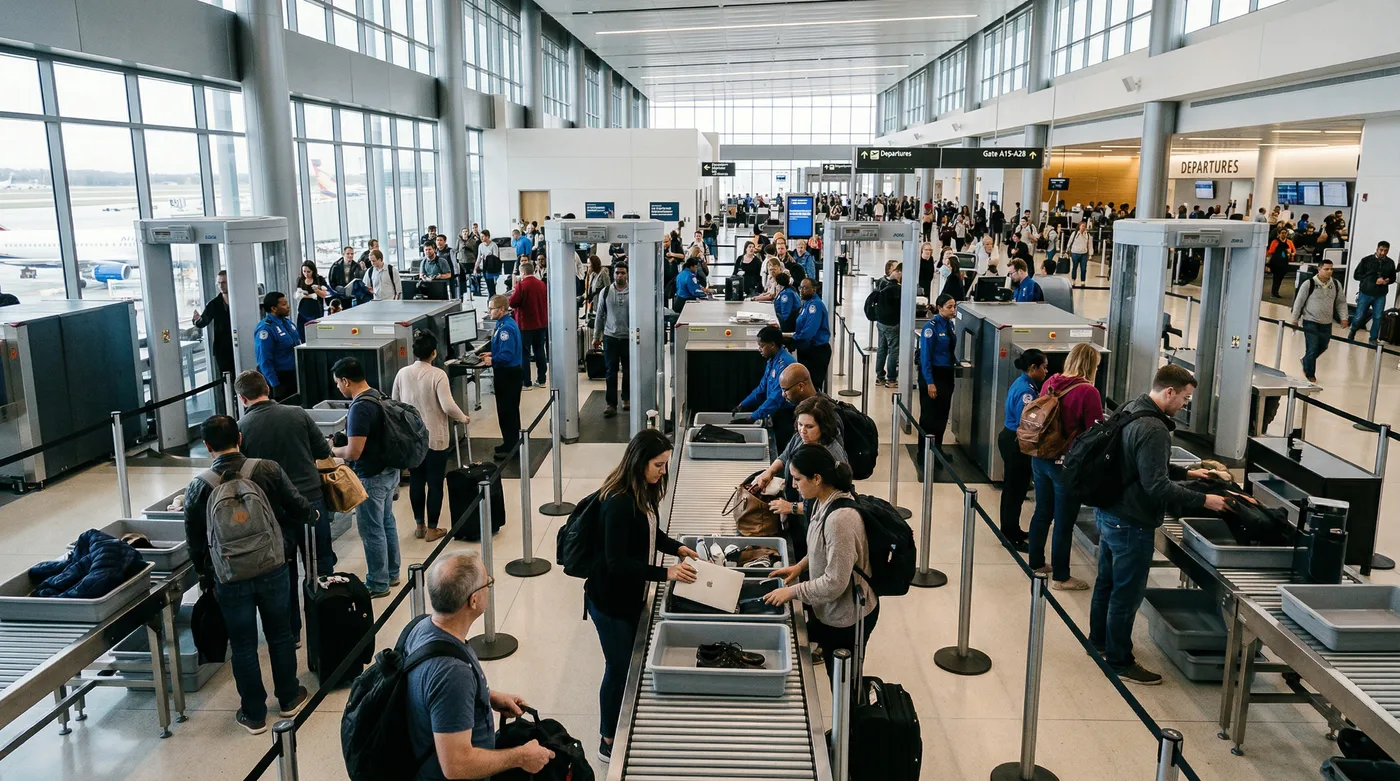
For international departures from U.S. airports, arrive 3 hours before your flight. Not 2. Not 2.5. Three. This is not overcautious — international check-in desks close earlier than domestic, TSA PreCheck lines don't always move faster during peak hours, and you may have to find a specific international terminal that's a shuttle bus away from where you landed.
If you don't have TSA PreCheck or Global Entry yet, get them before an international trip. PreCheck is $78 for five years. Global Entry is $100 for five years and includes PreCheck — plus it gets you through customs faster when you return. The ROI on a single international trip is obvious.
At the gate, your boarding pass will show a departure time and a boarding time. Boarding time is when they start letting people on the plane. Departure time is when the door closes and the plane pushes back. These are not the same thing. Be at the gate by boarding time.
If you're connecting through a European hub — Frankfurt, Amsterdam, Paris CDG, Madrid — budget at least 90 minutes for the connection, ideally 2 hours. CDG specifically has a reputation for tight connections going sideways. I've seen people miss flights with a 75-minute layover at CDG because of a slow passport control queue. Book your itinerary accordingly, or let the airline absorb the risk by booking a single ticket rather than two separate ones.
Customs, immigration, and what happens when you land
Your first international arrival will involve two things: immigration (passport control) and customs. Here's how they work.
Immigration is where an officer checks your passport, asks why you're visiting, and stamps (or digitally records) your entry. Answer honestly and briefly. "Vacation, two weeks" is a complete answer. You don't need to explain your entire itinerary.
Customs is where you declare what you're bringing in. Most countries have a green lane (nothing to declare) and a red lane (goods to declare). If you're carrying more than $10,000 in cash, certain foods, or commercial quantities of goods, use the red lane. Otherwise, green. The U.S. also has a duty-free exemption of $800 per person — meaning you can bring back up to $800 in purchases without paying duty.
Many countries now use automated passport gates (e-gates) for eligible travelers, which cuts the immigration queue dramatically. The EU's EES (Entry/Exit System) launched in 2025 and requires biometric registration on your first entry — budget an extra 15-20 minutes the first time.
When you return to the U.S., Global Entry members use the automated kiosks and skip the standard customs line. If you're doing more than one international trip a year, this alone is worth the $100.
Packing for an international economy flight without losing your mind
The overhead bin on a transatlantic flight fills up fast. If you're in boarding group 4 or 5, your carry-on may get gate-checked. This isn't the end of the world, but it means you won't have access to it during the flight.
What to keep in your personal item (the under-seat bag) regardless:
- Passport and any printed confirmations
- Phone charger and a small power bank
- Headphones (the airline's free ones are terrible)
- Any medications
- A change of clothes if you're checking a bag
For a 7-10 day trip, a 40L carry-on like the Osprey Farpoint 40 or the Away Carry-On fits in most overhead bins and avoids checked bag fees. Checked bags on international routes typically run $35-$75 per bag each way on U.S. carriers. On a round-trip, that's up to $150 you could spend on literally anything else.
| Bag type | Typical fee (round-trip) | When it makes sense |
|---|---|---|
| Personal item only | Free | Trips under 5 days, minimalist packers |
| Carry-on | Free-$75 each way | Most trips, most people |
| First checked bag | $35-$75 each way | Trips over 10 days, specific gear needed |
| Second checked bag | $65-$100 each way | Almost never worth it |
Pro Tip: Some airlines include a free checked bag on international economy fares even when they charge for domestic. Aer Lingus, TAP, and Iberia all include one checked bag on transatlantic economy tickets. Factor this in when comparing total trip costs — a $20 cheaper base fare that charges $70 for a bag isn't actually cheaper.
Sleep, food, and surviving a long-haul flight
A transatlantic flight is roughly 7-10 hours depending on direction (tailwinds make westbound flights shorter). A flight to Tokyo from the West Coast is 10-12 hours. These are long enough that how you handle the flight actually affects how you feel when you land.
Most economy seats on international routes recline 4-6 inches. This is not a bed. Bring a neck pillow if you're a side sleeper, or skip it if you're not — they take up bag space and many people find them useless. A light layer or travel blanket matters more; planes get cold, especially overnight.
On full-service carriers (Delta, United, American, Lufthansa, Air France, Singapore, etc.), meals are included in economy on international flights. They're not good meals, but they're food. Budget carriers like Norse or Condor charge for everything. Budget $15-$25 for food if you're flying no-frills.
For sleep: melatonin works better than Benadryl for most people and doesn't leave you groggy on arrival. Take it about 30 minutes before you want to sleep, and try to sync it with nighttime at your destination.
What to do if something goes wrong
Flights get delayed. Connections get missed. Bags go to the wrong city. These things happen on domestic flights too, but internationally the stakes feel higher because you're in an unfamiliar place.
If you miss a connection due to a delay on the first leg, and both flights are on the same ticket, the airline is responsible for rebooking you. Go to the airline's customer service desk immediately — don't wait in the general queue if there's a dedicated rebooking line. If you booked two separate tickets to save money, you're on your own. This is the real cost of split-ticket booking.
If your bag is delayed or lost, file a report with the airline's baggage desk before you leave the arrivals area. Get the reference number. Airlines are required to compensate for delayed bags under international rules (the Montreal Convention), but you have to document the claim.
Travel insurance is worth buying for international trips, especially if you're spending more than $500 on non-refundable bookings. World Nomads and Allianz are the two most common options for independent travelers. Expect to pay $40-$80 for a two-week policy.
You're more ready than you think
First international flights feel intimidating because there are more steps, more documents, and more unknowns than a domestic hop. But the process is linear: passport check, check-in, security, gate, board, fly, immigration, customs, done. Once you've done it once, the second trip feels completely routine.
The actual work is in the preparation: valid passport, visa requirements confirmed, fare booked at a real price (not panic-booked the week before), bags packed to avoid unnecessary fees, and a rough understanding of what happens on both ends.
Set up your first hunt on FlightKitten before you even decide where you're going. Pick a region, set a ceiling — say, $500 round-trip from your home airport — and see what catches come in over a few weeks. You might be surprised how many places fall within range when you're not anchored to a specific destination.
The world is big and the fares are cheaper than you think. Go find out.