


Route Briefing: Amsterdam to Porto
Just under three hours in the air and you've traded Amsterdam's flat, canal-laced streets for one of Europe's most dramatically beautiful cities — Porto tumbles down steep hillsides toward the Douro River in a way that genuinely stops you in your tracks the first time you see it. For a route this rewarding, the value is almost unfair when you catch it right.
TAP Air Portugal, Ryanair, and KLM all serve this route year-round, which means healthy competition keeps prices honest. A roundtrip under $120 is genuinely achievable if you're paying attention, and FlightKitten is exactly the tool for that moment. Standard fares run $200 to $350 or more, so the gap between a good deal and a lazy booking is significant. Your best strategy is to lock in seats six to ten weeks out, fly mid-week, and sidestep school holiday windows — that combination alone can shave 20 to 30 percent off what you'd otherwise pay.
Timing your visit matters beyond just price. June through August is peak season, when the city buzzes with energy and the Douro Valley bakes beautifully under long summer days. But Porto in spring or autumn is a genuine treat — fewer crowds, mild temperatures, and the city feels more like itself. Winter is quiet and occasionally rainy, though the light on those azulejo-tiled facades on a grey afternoon has its own moody magic.
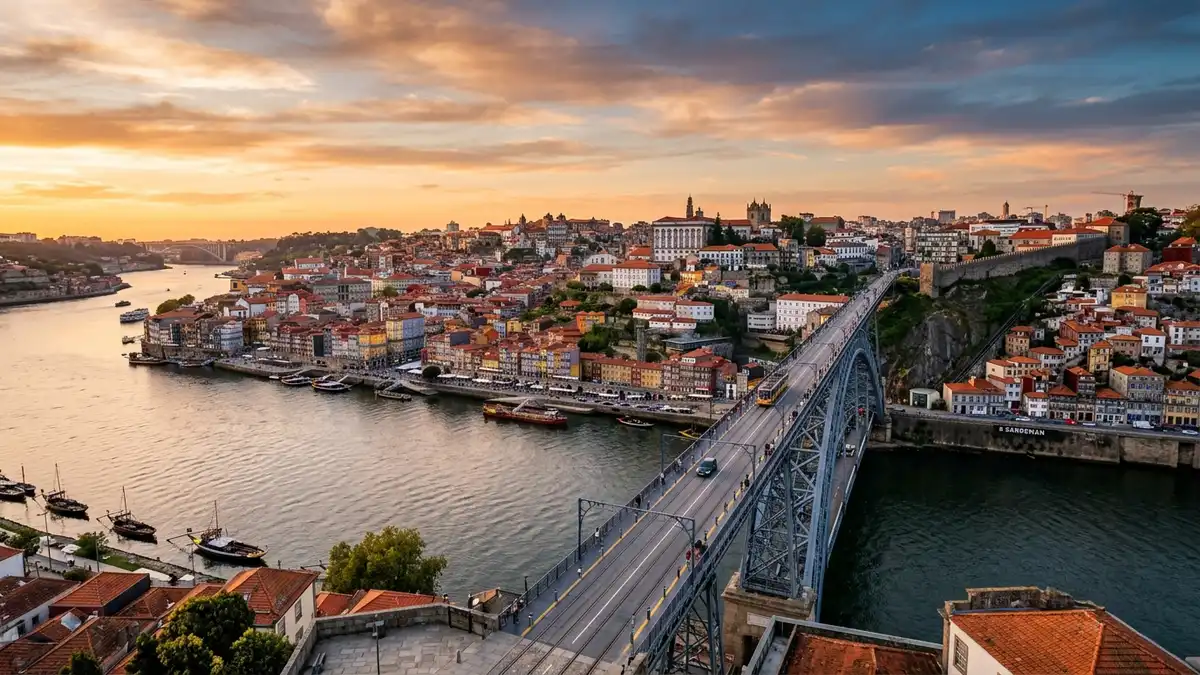
From Porto's Francisco Sá Carneiro Airport, the metro connects directly into the city centre — it's straightforward, affordable, and drops you close to the action without the stress of navigating traffic. Once you're in, the Ribeira district along the riverfront is your natural starting point: narrow medieval lanes, riverside cafés, and views across to Vila Nova de Gaia, where the famous port wine cellars line the opposite bank. Cross the iconic Dom Luís I Bridge on foot and you're there — most cellars offer tours and tastings, and this is absolutely something you should do.
The city's soul is in its details: hand-painted azulejo tile panels covering church facades and train station walls, the smell of a pastel de nata from a corner bakery, trams grinding up impossible hills. Porto rewards slow walking and curiosity far more than a checklist approach.
One genuinely useful tip: book your port wine cellar visit for the morning, when tour groups are thinner and the staff have more time for you. Save the afternoon for wandering Ribeira with no agenda whatsoever. That's when Porto really works its charm.