


Route Briefing: Boston to Tbilisi
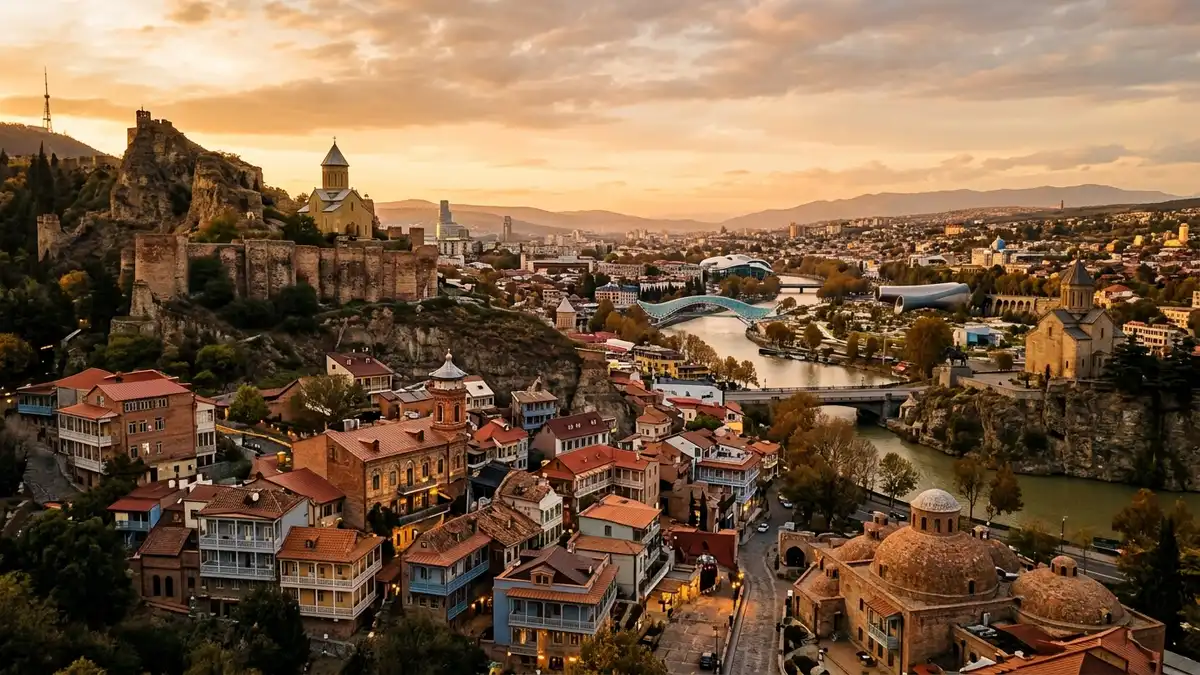
Boston to Tbilisi is one of those routes that rewards the curious traveler willing to put in a little effort — roughly 17 and a half hours with one stop, and you emerge in a city that genuinely feels unlike anywhere else on earth. This is the Caucasus, where ancient Georgian Orthodox churches cling to cliffsides, sulfurous bathhouses have been steaming since medieval times, and the wine tradition stretches back thousands of years. Tbilisi sits at a cultural crossroads that no European capital can quite replicate, and for travelers who've already ticked off the obvious destinations, it delivers something genuinely fresh.
Turkish Airlines, Lufthansa, and Austrian Airlines all serve this route well, with connections through Istanbul, Frankfurt, or Vienna respectively. Of those, the Istanbul routing tends to be the most competitive on price and keeps total travel time manageable. A roundtrip under $900 is a genuinely good deal on this route — standard fares run $1,200 to $1,600 or more — so booking three to six months out is worth the discipline. This is a year-round route, but if you want Tbilisi at its most alive, June through August brings warm weather, outdoor dining spilling into cobblestone lanes, and the city's social energy at full volume. Spring and autumn are quieter and arguably more atmospheric, with cooler temperatures and fewer crowds.
On arrival, Tbilisi International Airport sits just outside the city center, and taxis are the most straightforward way to reach the old town. Agree on a fare before you get in, or use a ride-hailing app to avoid any ambiguity on price.
The old town, Abanotubani, is where you'll want to spend your first afternoon — the sulfur bath district is both a cultural institution and a genuinely restorative experience after a long-haul flight. Georgian cuisine deserves serious attention: khinkali dumplings, khachapuri in its various regional forms, and the natural wine scene, which has exploded internationally but remains far more affordable here at the source. Georgia is widely credited as one of the oldest winemaking regions in the world, and the amber wines made using traditional qvevri clay vessels are worth seeking out even if you're not usually a wine person.
The single best tip for this route: don't treat Tbilisi as a standalone destination. The country is compact and the landscapes are extraordinary, so even adding a day trip toward the Caucasus mountains or the ancient cave city of Uplistsikhe turns a city break into something genuinely memorable.