


Route Briefing: Dallas to Medellín
There's a reason seasoned travelers keep coming back to Medellín — and once you've experienced that legendary climate, you'll understand why locals call it the City of Eternal Spring. From Dallas, you're looking at roughly eight and a half hours in the air with one stop, typically connecting through Miami or Bogotá. Both are solid options, and routing through either hub tends to surface the most competitive fares, so it's worth checking both when you search. American Airlines, Avianca, and Copa Airlines cover this route consistently throughout the year, and if you can snag a roundtrip under $450, you're doing well. Standard pricing runs between $650 and $900 or more, so timing your booking matters — aim for six to ten weeks out to hit that sweet spot before fares climb.
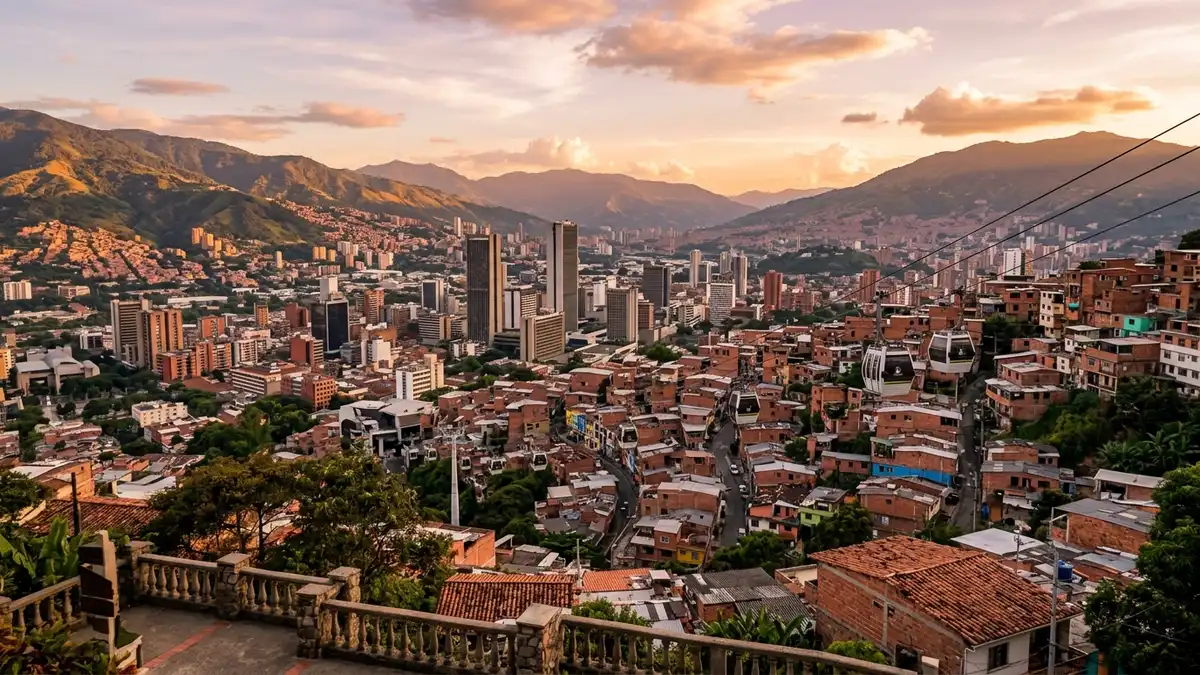
Medellín rewards you the moment you land. The city sits in the Andes at an elevation that keeps temperatures mild and pleasant year-round, which means you're never really packing for extremes. What was once a city defined by difficult headlines has transformed into one of Latin America's most talked-about urban success stories. The cable cars and outdoor escalators connecting the hillside barrios to the city center aren't just practical infrastructure — they're a symbol of that reinvention, and riding them gives you a perspective on the city that no guidebook can fully capture.
The El Poblado neighborhood is where most visitors base themselves, with a lively restaurant and café scene that runs late into the evening. But don't stop there — the Laureles and Envigado areas offer a more local rhythm and are well worth an afternoon wander. Colombian cuisine here leans hearty and comforting: think bandeja paisa, arepas, and freshly squeezed tropical fruit juices you won't find at home.
From the José María Córdova International Airport, taxis and app-based ride services are your most straightforward options into the city. The drive takes roughly 45 minutes to an hour depending on traffic, so factor that into your arrival plans.
For timing, December through January and June through July are peak seasons, bringing higher prices and more crowds. If your schedule allows, traveling in the shoulder months on either side of those windows gives you nearly identical weather with noticeably fewer tourists and more room to negotiate on accommodation. That's the quiet advantage of a destination with year-round appeal — the off-peak still feels very much on.