


Route Briefing: Dallas to Reykjavik
Flying from Dallas to Reykjavik is one of those routes that genuinely rewards the effort. Yes, you're looking at around ten and a half hours in the air with a stop along the way, but what's waiting on the other end is unlike anywhere else on earth — a volcanic island nation where the landscape looks like it was designed by someone who'd never heard the word "subtle." Icelandair is your most natural choice here, and routing through a northeastern hub like Boston or New York can often unlock better connecting fares than flying straight out of DFW. Keep an eye out for roundtrip deals under $600, which do surface on this route — anything under that threshold is genuinely worth jumping on, since standard fares push well past $900.
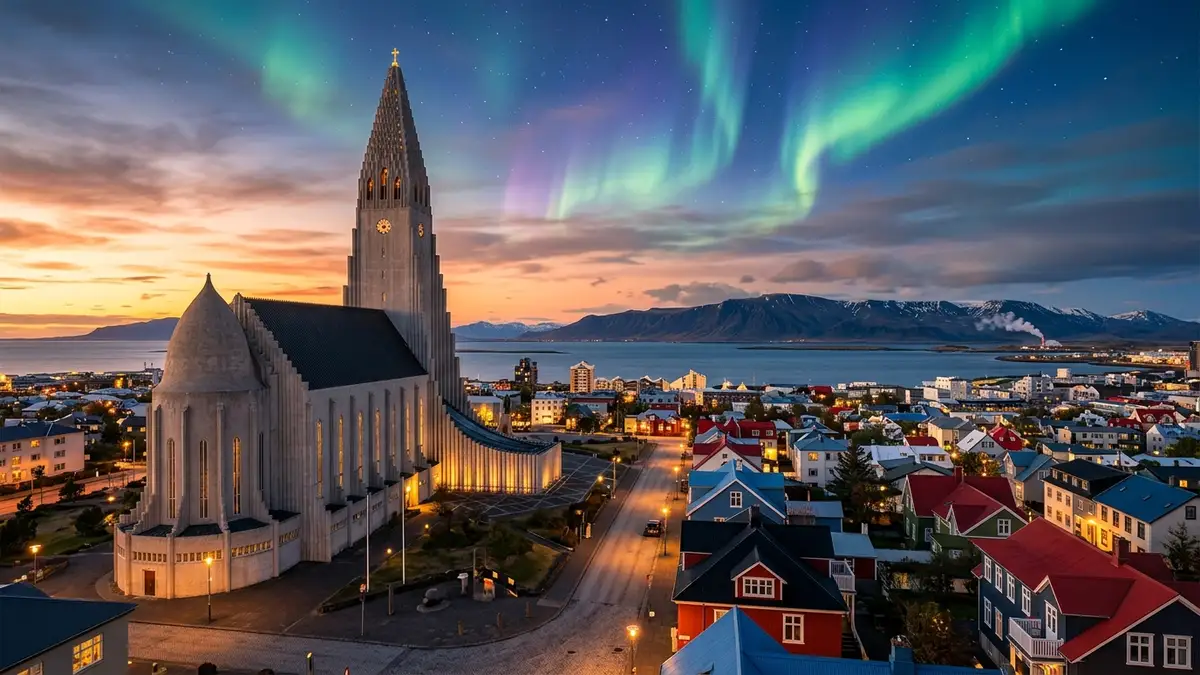
Reykjavik itself is small, walkable, and surprisingly cosmopolitan for the world's northernmost capital. The city has a creative, slightly eccentric energy — colorful corrugated-iron houses, a thriving music scene, and a food culture that's moved well beyond the dried fish of its past. Icelandic lamb and fresh seafood are staples worth seeking out, and the local hot dog stands have a devoted following that crosses all tourist demographics.
The real draw, of course, is the landscape surrounding the city. The Golden Circle route takes you through geysers, a massive waterfall at Gullfoss, and the rift between the North American and Eurasian tectonic plates at Þingvellir National Park — all within a day trip. The Blue Lagoon geothermal spa sits conveniently close to Keflavik International Airport, making it a perfect first or last stop on your trip. From the airport, buses and shuttle services run regularly into central Reykjavik, making the transfer straightforward without needing to rent a car immediately.
Timing matters enormously on this route. June through August is peak season — the midnight sun is a genuine phenomenon, and the long days let you pack an almost unreasonable amount of activity into each one. But demand surges hard in summer, so if that's your window, book four to six months ahead. Shoulder seasons like May or September offer thinner crowds, lower prices, and the first real chances of catching the Northern Lights as darkness returns to the sky.
That's the best tip worth holding onto: if seeing the aurora is your primary goal, don't fight the summer crowds. Aim for autumn instead — you'll save money, find accommodation more easily, and stand a far better chance of watching the lights dance overhead on a clear Icelandic night.