


Route Briefing: Honolulu to New Orleans
Trading the Pacific breezes of Honolulu for the sultry, saxophone-soaked streets of New Orleans is one of those trips that feels like swapping one dream for another. Yes, you're leaving paradise — but you're landing in a city that has its own intoxicating magic, one that no other American destination can replicate. At around nine and a half hours with a connection, it's a full travel day, but seasoned Hawaii travelers know that long hauls are simply part of the deal when you live mid-Pacific, and New Orleans rewards every hour of the journey.
If you can snag a roundtrip fare under $350, book it without hesitation. That's genuinely strong value for this distance. United, American, and Delta all service this route year-round, so you have real flexibility on timing and connections. Aim to book six to eight weeks ahead for the sweetest spot between availability and price — and whatever you do, resist the temptation to chase Mardi Gras fares. February in New Orleans is electric and unforgettable, but airline prices spike dramatically around the festival, and accommodation follows suit. If you want the full carnival experience, budget accordingly. Otherwise, the shoulder seasons of spring and fall offer the city at its most livable — warm but not punishing, and buzzing with locals rather than crowds.
Summer is technically peak season, but New Orleans in June through August is brutally humid. Go in knowing that, embrace the cold drinks and air-conditioned jazz clubs, and you'll have a fantastic time. The city doesn't slow down regardless of the heat.
Louis Armstrong New Orleans International Airport sits west of the city, and the airport's direct connection to the downtown area via the Loyola Avenue streetcar line makes arrival genuinely straightforward and affordable — skip the expensive taxi queue if you're traveling light and have time to enjoy the ride.
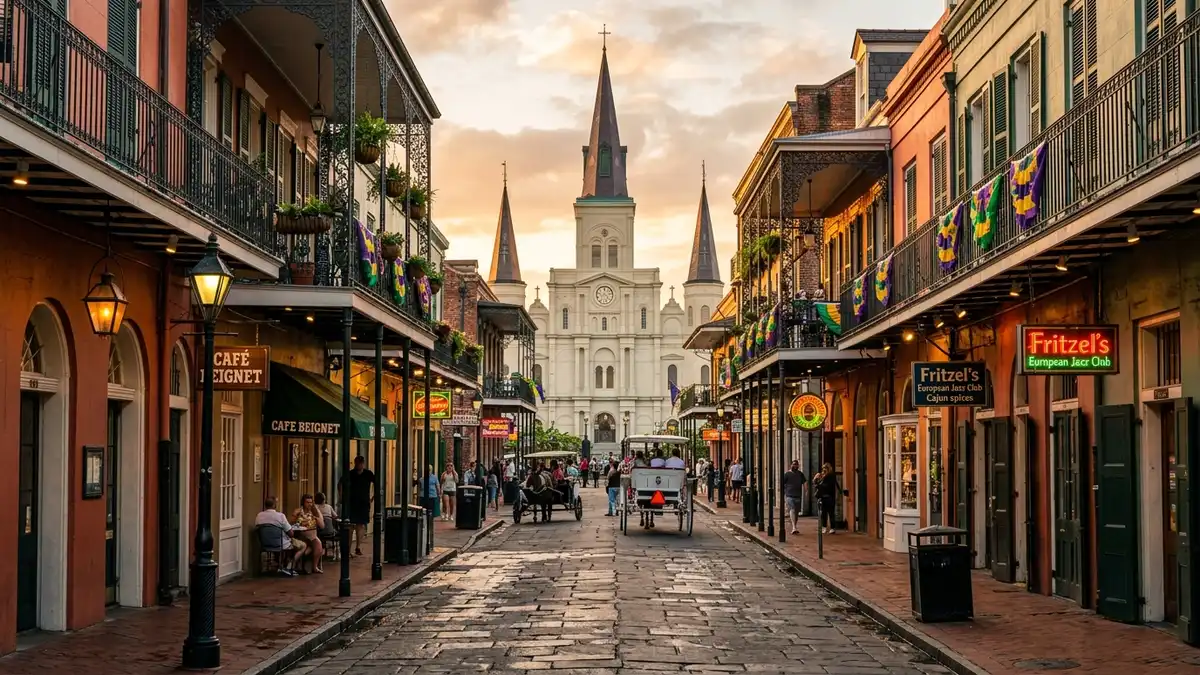
Once you're in, the French Quarter is your anchor — the wrought-iron balconies, the smell of beignets drifting from Café Du Monde, the live jazz spilling out of every doorway on Frenchmen Street. But don't stop there. The Garden District's grand antebellum mansions, the streetcar lines, and the city's extraordinary Creole and Cajun food scene spread across every neighborhood deserve equal attention. New Orleans is one of the few American cities where eating is genuinely a cultural activity — from po'boys to gumbo to crawfish étouffée, the cuisine alone justifies the flight.
The single best tip for Hawaii travelers making this trip: pace yourself on arrival. You're crossing multiple time zones and stepping into a city that actively encourages you to stay out late. Give yourself a slow first evening, get your bearings in the Quarter, and save the late nights for when you've found your rhythm. New Orleans rewards those who settle in rather than rush through.