


Route Briefing: Los Angeles to Macau
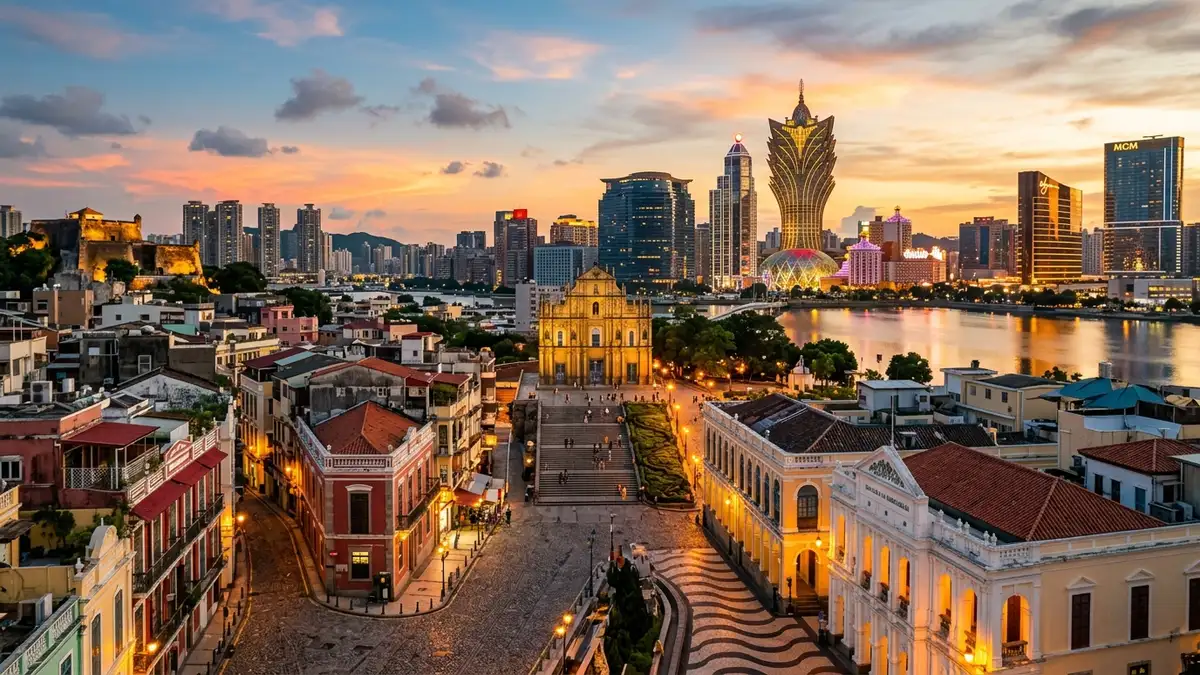
Few routes reward the long-haul commitment quite like Los Angeles to Macau. Yes, you're looking at around fifteen and a half hours in the air with a stopover — typically through Hong Kong or a mainland China hub — but what's waiting on the other end is one of the most genuinely surprising destinations in Asia. This isn't just another casino town dressed up in neon. Macau is a place where Portuguese colonial architecture sits shoulder to shoulder with gleaming resort towers, where egg tarts and pork chop buns share the culinary conversation with some of the finest Michelin-starred dining in the world. It earns the "Vegas of the East" nickname, but it has centuries of layered history that Las Vegas simply can't match.
Cathay Pacific, Air China, and China Eastern all service this route, and if you're strategic about it, you can land a roundtrip fare under $700 — a genuine bargain for a destination this far from California. Standard fares push past a thousand dollars, so booking two to four months ahead gives you the best shot at the lower end. Flying mid-week rather than on weekends can shave a meaningful amount off the ticket price as well, so if your schedule has any flexibility, use it.
Timing your trip matters here. June through August is peak season, as is the window around Chinese New Year in January and February. Both periods bring larger crowds and higher prices. Shoulder months offer a more relaxed experience and easier access to the city's most popular spots without the queues.
Once you land, getting into the central areas of Macau is straightforward. Ferry connections and shuttle services link the airport to the main peninsula and the major resort areas on Cotai, so you won't be stranded figuring out logistics after a long flight.
The real tip for making the most of this trip is to resist the gravitational pull of the casino floors long enough to explore the historic center. The Ruins of St. Paul's, the old fortresses, and the narrow lanes of the Senado Square area tell a story that goes back to the sixteenth century, when Macau was a major Portuguese trading port. That history is baked into the food too — the fusion of Cantonese and Portuguese culinary traditions produced a cuisine that's entirely its own thing, and you'd be doing yourself a disservice to leave without eating your way through it properly. Save the baccarat tables for the evenings, and spend your days in the streets. That balance is what separates a memorable Macau trip from a forgettable one.