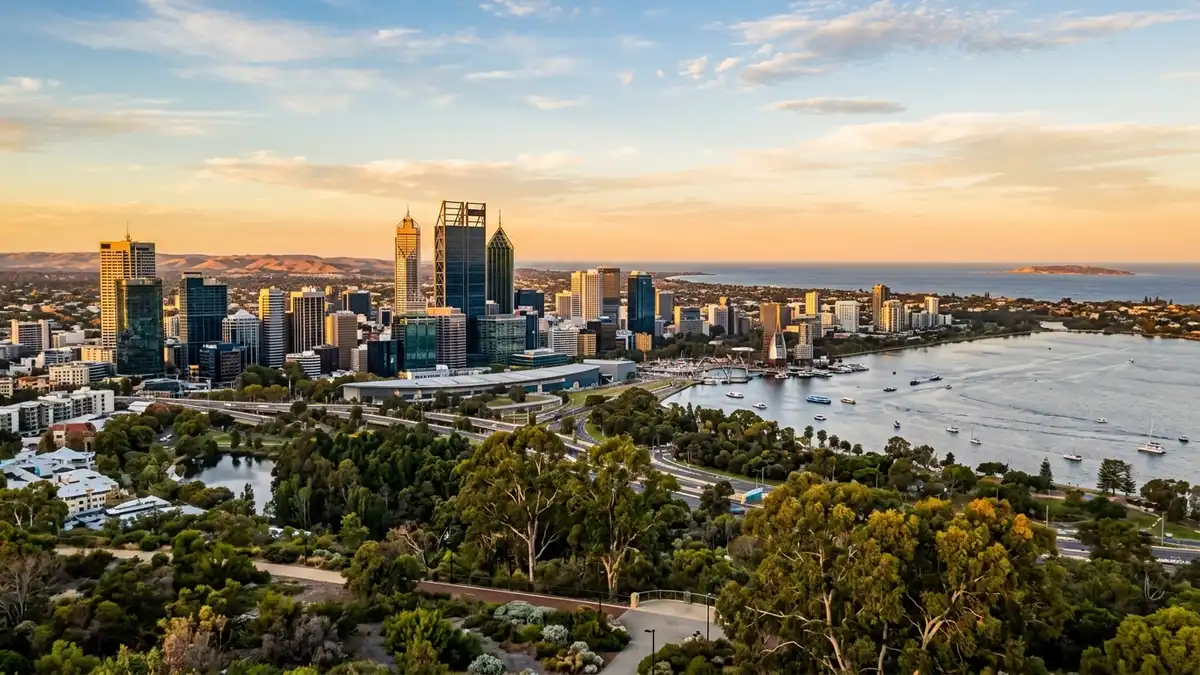



Route Briefing: Miami to Perth
Let's be honest — Miami to Perth is one of the most ambitious routes you can book from the United States, and that's exactly what makes it so rewarding. You're crossing nearly the entire planet to reach Australia's sunniest capital, a city that sits closer to Singapore than it does to Sydney, which tells you everything about how delightfully remote and unhurried it feels. The journey clocks in at 28 hours or more with at least two stops, but carriers like Emirates, Qantas, and Singapore Airlines make the experience genuinely comfortable, and routing through Dubai or Singapore means you're passing through two of the world's great transit hubs — potentially with enough time to stretch your legs somewhere interesting.
On the fare side, anything under $1,400 roundtrip is a genuine win on this route. Standard pricing runs $1,800 to $2,500 or more, so the savings are meaningful. Book three to six months ahead and keep an eye on routings through Dubai or Singapore, which tend to offer more competitive pricing and scheduling flexibility than other connections.
Once you land at Perth Airport, the city centre is a manageable distance away and accessible by taxi, rideshare, or the dedicated airport bus services — straightforward enough after a long-haul flight when you just want to get horizontal. Perth itself will immediately reward your patience. The Indian Ocean coastline is extraordinary — long, white-sand beaches with water that shifts between turquoise and deep blue depending on the light. The city has a relaxed confidence to it, sun-drenched and genuinely friendly, without the frenetic energy of Sydney or Melbourne.
The must-do day trip is Rottnest Island, a short ferry ride offshore, where quokkas — small, perpetually cheerful-looking marsupials — roam freely and pose for photos with a willingness that borders on theatrical. The Swan Valley and Margaret River wine regions are within reach for anyone who wants world-class Chardonnay and Cabernet Sauvignon paired with excellent local produce.
Timing matters here. December and January are peak season, coinciding with Australian summer and school holidays, which means higher prices and busier beaches. If you can travel in the Australian spring — September through November — you'll find warm, beautiful weather, fewer crowds, and more room to negotiate on accommodation. That shoulder-season window is genuinely one of the best-kept secrets for getting the most out of Western Australia without the holiday premium.