


Route Briefing: Mumbai to Bruges
There's something almost poetic about trading Mumbai's sensory overload for the hushed, cobblestoned calm of Bruges — two cities that couldn't feel more different, yet both reward the traveller who pays close attention. The journey takes around ten and a half hours with one stop, typically routing through Dubai, Doha, or Frankfurt, and Emirates, Qatar Airways, and Lufthansa are your most reliable options on this corridor. Emirates via Dubai and Qatar via Doha tend to be the sweeter spots for pricing — keep an eye out for fares under $700 roundtrip, which represent genuine value on this route. Standard tickets run $1,000 to $1,400 or more, so booking three to six months ahead, particularly for summer travel, makes a real difference. Flying mid-week also consistently nudges prices lower.
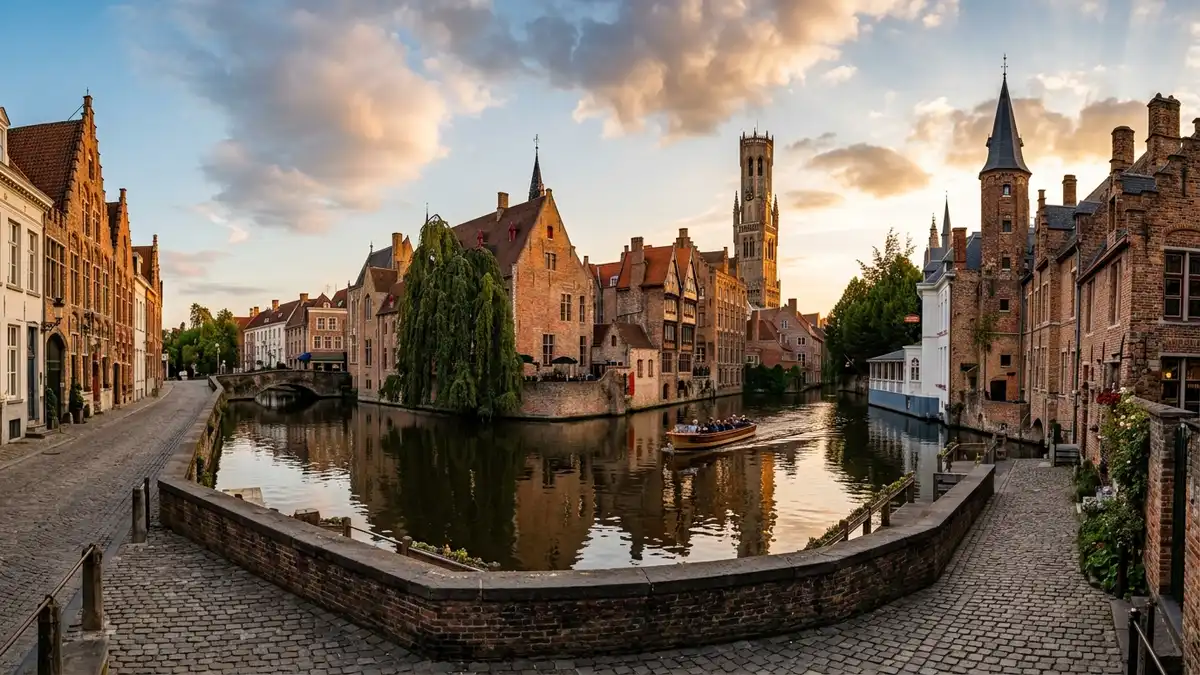
Now, about where you're actually going. Bruges is one of those rare places that genuinely lives up to its reputation. The medieval city centre is a UNESCO World Heritage Site, and wandering its canal-laced streets feels less like tourism and more like stepping into a Flemish oil painting. The Belfry tower dominates the central Market Square and has stood there since the medieval period — climb it for views that stretch across the rooftops and out toward the flat Belgian countryside. The Basilica of the Holy Blood, tucked into the Burg Square, is another landmark that stops people in their tracks.
Belgian chocolate here isn't a souvenir gimmick — it's a genuine craft tradition, and the city's chocolatiers take it seriously. Belgian beer is equally worth your time; Bruges has centuries of brewing heritage, and a quiet afternoon in a traditional brown café with a Trappist ale is one of the simplest pleasures the city offers.
For getting into the city from Brussels Airport, the train connection is your best friend — Belgian rail is efficient and connects Brussels Airport directly into the national network, with Bruges reachable by train in roughly an hour. It's affordable, straightforward, and far less stressful than navigating road traffic.
Timing-wise, June through August is peak season — the weather is pleasant and the city buzzes with visitors, but it does get crowded. If you can travel in late spring or early autumn, you'll find Bruges in a more contemplative mood, the canal reflections undisturbed, the chocolate shops just as good, and the hotel rates considerably kinder. Winter brings its own magic, particularly around Christmas when the Market Square hosts a festive market that feels almost absurdly picturesque.
The honest tip? Don't rush Bruges. It's compact enough to feel like you've seen it in a day, but the city rewards those who slow down, get slightly lost in the quieter residential lanes, and resist the urge to tick boxes. Mumbai will still be waiting when you get back.