


Route Briefing: Mumbai to Gothenburg
Flying from Mumbai to Gothenburg is a journey between two cities that share more than you might expect — both are port cities shaped by maritime trade, both punch well above their weight culturally, and both reward curious travellers who look beyond the obvious. The route takes around 16 hours and 30 minutes with one stop, typically connecting through Frankfurt, Amsterdam, or Istanbul with carriers like Lufthansa, KLM, or Turkish Airlines. That layover isn't just a necessary inconvenience — choose your connection wisely and you might sneak in a few hours exploring a bonus European city along the way.
On the fare side, anything under $700 roundtrip is a genuinely good deal on this route. Standard pricing tends to sit between $1,000 and $1,400 or more, so the savings are real if you plan ahead. Book two to four months in advance, aim for mid-week travel, and steer clear of Swedish school holiday periods — that combination alone can shave a meaningful chunk off your ticket price.
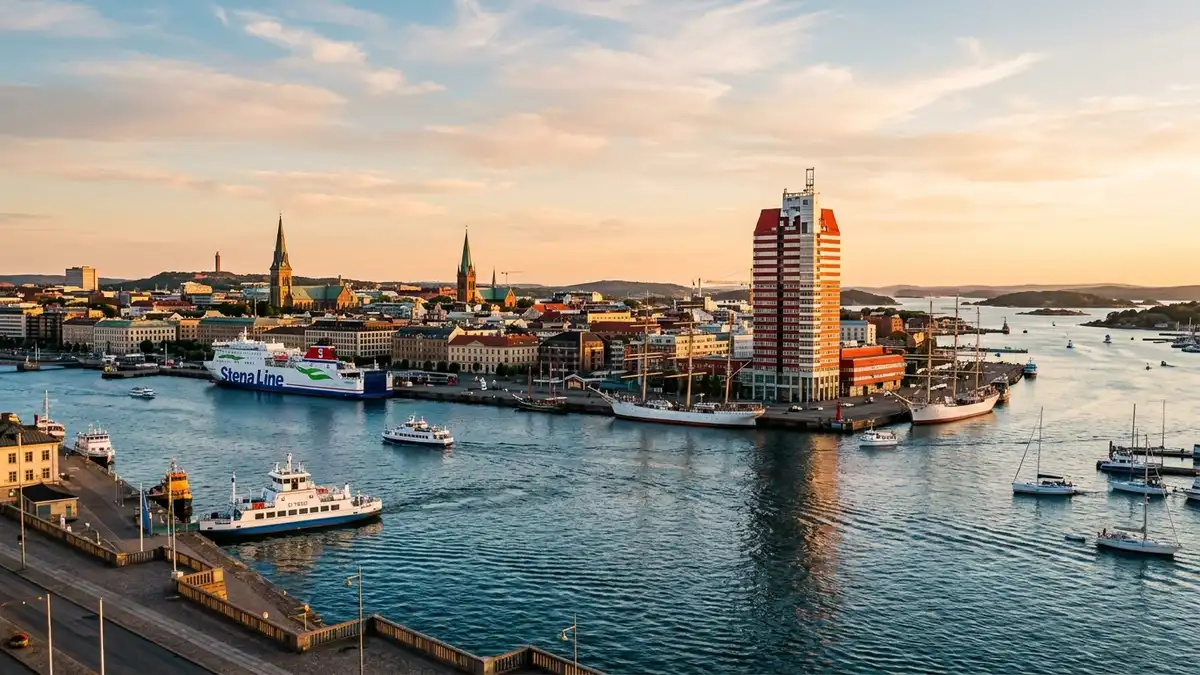
Gothenburg itself is one of Scandinavia's most underrated cities, and that's precisely what makes it special. Sweden's second city has none of the self-conscious grandeur of Stockholm but all of the quality. The waterfront is genuinely beautiful, lined with old warehouses converted into restaurants, bars, and galleries. The Haga neighbourhood, with its cobblestone streets and wooden houses, feels like a village tucked inside a city — grab a famously oversized cinnamon bun at one of the many traditional cafés there and you'll understand immediately why Swedes take fika so seriously.
The real draw, though, is the west coast seafood. Gothenburg sits at the heart of Sweden's shellfish country, and the local obsession with fresh prawns, oysters, crab, and the iconic Swedish crayfish is infectious. The fish market at Feskekôrka — a striking church-shaped building near the city centre — is a must-visit for anyone who wants to eat like a local.
For those willing to venture further, the Gothenburg archipelago offers island-hopping by ferry through a landscape of smooth granite rocks, wildflowers, and impossibly clear water. It's the kind of scenery that makes you understand why Swedes are so fiercely protective of their natural environment.
Peak season runs from June through August when the days are extraordinarily long and the city comes fully alive. That said, visiting in late spring or early September means thinner crowds, lower prices, and weather that's still perfectly pleasant. From the airport, the Flygbussarna airport coaches and the Västtågen train service both connect reliably into the city centre, making arrival straightforward and affordable.