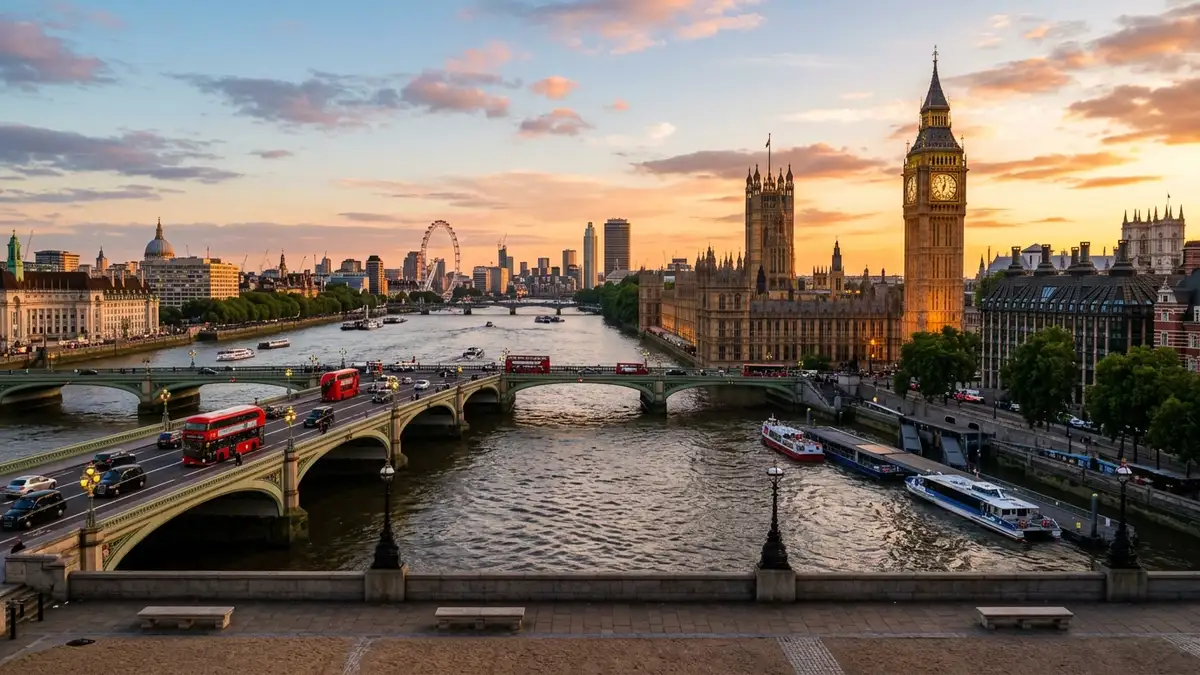



Route Briefing: New York to London
Few routes carry as much weight as New York to London — two cities that have shaped the modern world, connected by a seven-hour flight that somehow feels like stepping through a portal between parallel universes. British Airways, Virgin Atlantic, and American Airlines all compete hard on this corridor, which is genuinely good news for your wallet. A roundtrip under $500 is achievable if you time it right, though standard fares typically run $800 to $1,200 or more. The sweet spot for booking is two to four months out, and if you can flex your departure to a Tuesday or Wednesday, you're already ahead of the game.
Here's a tip worth bookmarking: flying into Gatwick rather than Heathrow can shave 10 to 20% off your fare. Heathrow is closer to central London, but Gatwick is well connected by the Gatwick Express train, which runs directly to Victoria Station and gets you into the city without the stress of navigating the Underground with luggage. Either way, London's public transport is excellent — the Tube from Heathrow into the city is straightforward and affordable, and both airports have clear signage for arrivals who've never done it before.
London itself rewards the curious. The British Museum alone could consume an entire day, housing one of the most extraordinary collections of human history ever assembled under one roof — and entry is free. The West End rivals Broadway for theatrical ambition, and catching a show is genuinely one of the great urban pleasures. Then there are the pubs, which are less about drinking than about atmosphere — centuries-old rooms with low ceilings, real ales, and the particular warmth of strangers becoming temporary friends.
The city has a way of revealing itself in layers. The South Bank along the Thames offers views of St Paul's Cathedral and Tower Bridge that feel almost unreal. Borough Market is a feast for anyone who loves food. And neighborhoods like Shoreditch, Notting Hill, and Marylebone each carry their own distinct personality — you could spend a week here and feel like you've visited several different cities.
Peak season runs June through August when the weather is at its most cooperative and the city buzzes with energy, but also when prices spike and crowds thicken. Shoulder seasons — particularly spring and early autumn — offer a compelling balance of decent weather, manageable crowds, and more competitive fares. London in October has a particular magic: golden light, quieter museums, and the city settling back into its own rhythm after the summer rush.
Seven hours in the air, and you land somewhere that genuinely has no equivalent.