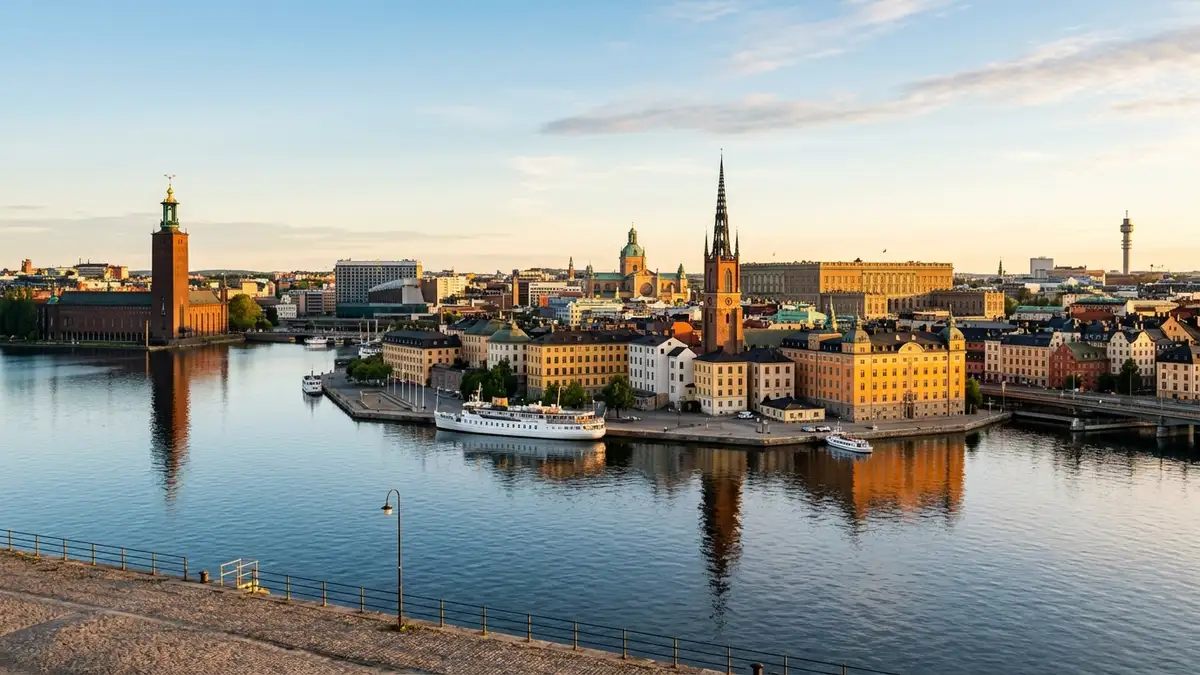



Route Briefing: New York to Stockholm
Stockholm has a way of making you feel like you've stumbled into a city that got everything right — beautiful, functional, effortlessly cool, and spread across 14 islands where the Baltic Sea and Lake Mälaren meet in a shimmering embrace. From New York, you're looking at a direct flight of around eight and a half hours, which means you can board at JFK in the evening and wake up somewhere genuinely extraordinary. SAS and United both serve this route regularly, and Norse Atlantic Airways has made competitive pricing more accessible in recent years, so it's worth checking all three when you're hunting for fares.
Speaking of fares — a roundtrip under $600 is a genuinely good deal on this route, while standard pricing typically runs $900 to $1,200 or more. The sweet spot for booking is three to six months ahead of your travel date, especially if you're targeting summer. June through August is peak season here, and for good reason: Stockholm in summer is almost surreally beautiful, with long golden evenings that stretch past 10pm. But that popularity comes at a cost. Flying mid-week and sidestepping major holiday periods can shave 15 to 25 percent off your fare — a meaningful saving on a transatlantic ticket.
If you can handle cooler temperatures, late spring and early autumn are genuinely underrated times to visit. The crowds thin out, the light turns amber and cinematic, and you'll have the Gamla Stan cobblestones largely to yourself.
From Arlanda Airport, the Arlanda Express train connects you to Stockholm Central Station in under 20 minutes — it's fast, reliable, and drops you right in the heart of the city. Worth every krona when you're jet-lagged and eager to get moving.
Once you're there, don't rush past the small rituals. Stockholm runs on fika — the Swedish tradition of slowing down for coffee and something sweet, usually a cinnamon bun. It's not just a snack break; it's a cultural institution, and leaning into it will immediately make you feel less like a tourist. Wander through Gamla Stan, the medieval old town, then ride the Tunnelbana metro just to see the stations — many are carved directly into bedrock and decorated by local artists, making the subway system one of the world's most unexpected art galleries. And if you have any connection to science or literature, the Nobel Prize Museum in Gamla Stan is a genuinely moving experience.
Stockholm rewards slow travel. It's compact enough to explore on foot and by water, rich enough in culture and history to fill two weeks, and just far enough from the tourist hordes to still feel like a discovery.