


Route Briefing: San Francisco to Rio de Janeiro
Few routes from the Bay Area carry the promise of transformation quite like the long haul down to Rio de Janeiro. Yes, you're looking at around fourteen and a half hours with a stop, but when the payoff is the Cidade Maravilhosa — the Marvelous City — that time in the air starts to feel like a reasonable bargain. LATAM Airlines, United, and American all serve this route, and if you catch a roundtrip fare under $700, you've genuinely scored. Standard pricing runs $1,000 to $1,400 or more, so it's worth being strategic about when you book and when you fly.
The single most important booking move: get your tickets two to four months out. Mid-week departures and arrivals tend to be cheaper, and steering clear of Brazilian public holidays can shave a meaningful chunk off your fare — we're talking somewhere in the range of 15 to 25 percent in savings. The route runs year-round, which gives you flexibility, but the timing question is really about what kind of Rio experience you're after.
December through February is Brazilian summer, and the city is electric — beaches packed, samba schools rehearsing, the whole place building toward Carnival, which typically falls in February or early March. If you want that full sensory explosion of color, music, and street energy, this is your window. Just know that prices spike and accommodation books out fast, especially in the weeks surrounding Carnival itself. If you prefer a more relaxed pace with cooler temperatures and thinner crowds, the Southern Hemisphere winter months — June through August — offer a quieter, still-beautiful Rio.
On arrival at Galeão International Airport, you have reliable options for getting into the city. The metro system connects to the airport, and there are also metered taxis and app-based rideshares that will take you to neighborhoods like Ipanema, Copacabana, or Santa Teresa depending on where you're staying.
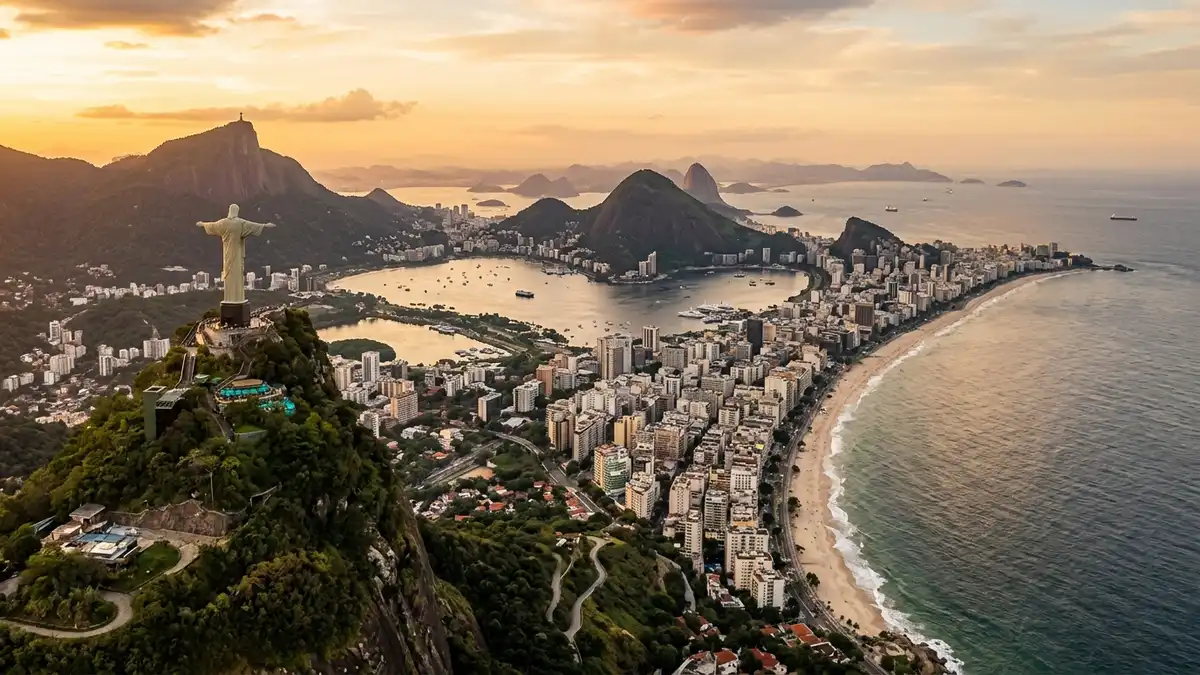
As for the city itself — Rio earns every superlative thrown at it. Christ the Redeemer standing arms-wide above the clouds on Corcovado mountain is one of those rare sights that actually exceeds expectations in person. Copacabana and Ipanema are more than famous beaches; they're living neighborhoods with a social rhythm all their own, from the morning joggers to the late-night boteco crowds. The food scene leans heavily on grilled meats, fresh seafood, and the beloved feijoada — a rich black bean and pork stew that's practically a cultural institution. And the samba is everywhere, not just in tourist venues but in the streets, the bars, the hillside communities.
One tip worth its weight: if you're visiting outside Carnival, look into the neighborhood samba nights in Lapa. The arched aqueduct district comes alive on weekends with live music and dancing that feels completely authentic and costs very little to enjoy.