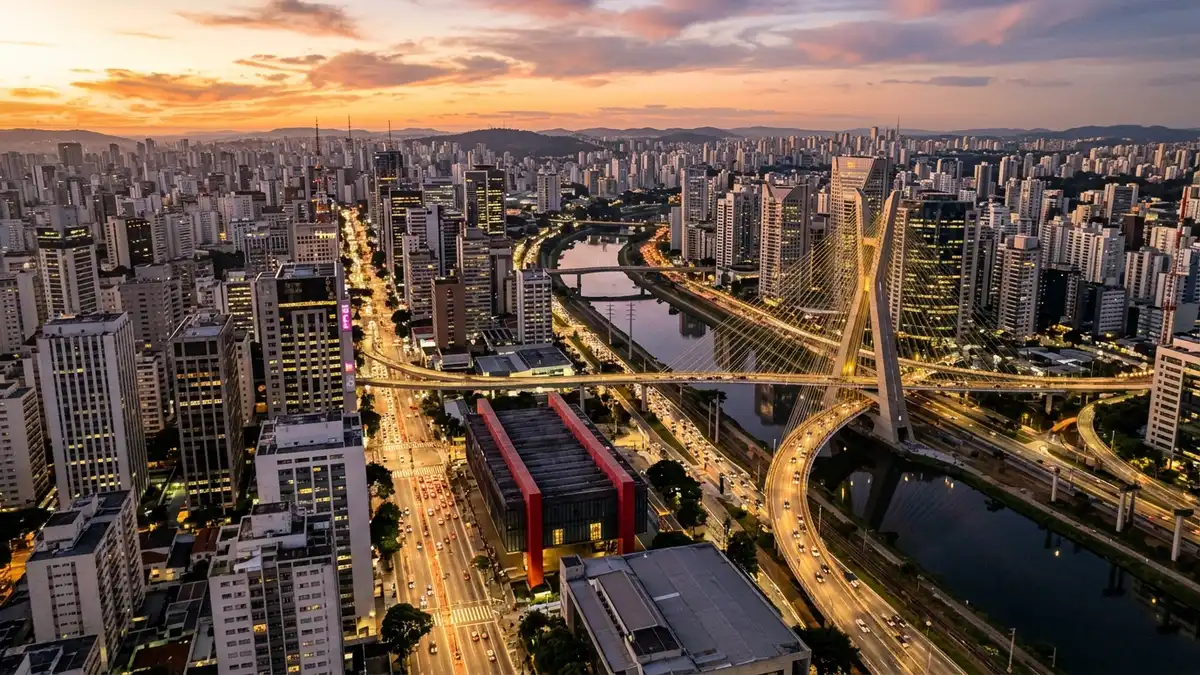



Route Briefing: San Francisco to São Paulo
São Paulo doesn't ease you in gently — it hits you all at once, and that's exactly the point. South America's largest city is a relentless, exhilarating place where world-class restaurants sit beside street food stalls, cutting-edge galleries share neighborhoods with century-old immigrant communities, and the nightlife genuinely doesn't stop. Flying from San Francisco to GRU puts you at the doorstep of a city that rewards curious, adventurous travelers more than almost anywhere else on the continent.
The journey itself runs around 13 hours and 30 minutes with a typical connection, most commonly routing through Miami, Houston, or Lima. LATAM Airlines, United, and American Airlines all serve this route regularly, and it's worth knowing that connecting itineraries through those hubs can sometimes undercut the price of rarer direct options. A roundtrip under $700 is a genuinely good find on this route — standard fares tend to land between $900 and $1,200 or more — so booking two to four months ahead gives you the best shot at the lower end of that range.
Timing matters here more than on most routes. December through February is Brazilian summer, which means warm weather, packed beaches within reach of the city, and the electric buildup to Carnival. It's peak season for good reason, but prices and crowds reflect that. If you want the cultural energy without the premium, the shoulder months on either side can offer a sweet spot — the city's arts and dining scenes run year-round regardless of season.
On arrival at Guarulhos International Airport, the Expresso Aeroporto bus service connects the airport to central São Paulo and is a reliable, affordable option used by locals and travelers alike. It's worth having some Brazilian reais on hand before you clear arrivals.
São Paulo's neighborhoods are where the real texture lives. Liberdade is home to one of the largest Japanese communities outside Japan, and the food there reflects it beautifully. Vila Madalena is the city's bohemian creative hub, covered in street art and full of independent bars and galleries. The Paulistano dining scene has earned genuine international recognition, so come hungry and willing to spend an evening over a long meal — that's simply how the city operates.
The money-saving tip that actually makes a difference: São Paulo is a city of neighborhoods, and the best experiences are often hyperlocal. Eating and drinking where residents eat and drink, rather than in tourist-facing areas, will stretch your budget significantly while giving you a far more authentic read on this remarkable, complicated, endlessly fascinating city.