


Route Briefing: Seattle to Beijing
Seattle and Beijing sit on opposite ends of the Pacific, and that 10-and-a-half-hour direct flight is one of the more rewarding long-hauls you can book from the Pacific Northwest. Air China, Hainan Airlines, and Delta all serve this route year-round, and when fares dip below $600 roundtrip, it's genuinely one of the better value transpacific deals available. Standard pricing runs $900 to $1,200 or more, so timing your booking matters — aim to lock in tickets two to four months ahead of travel for the best rates.
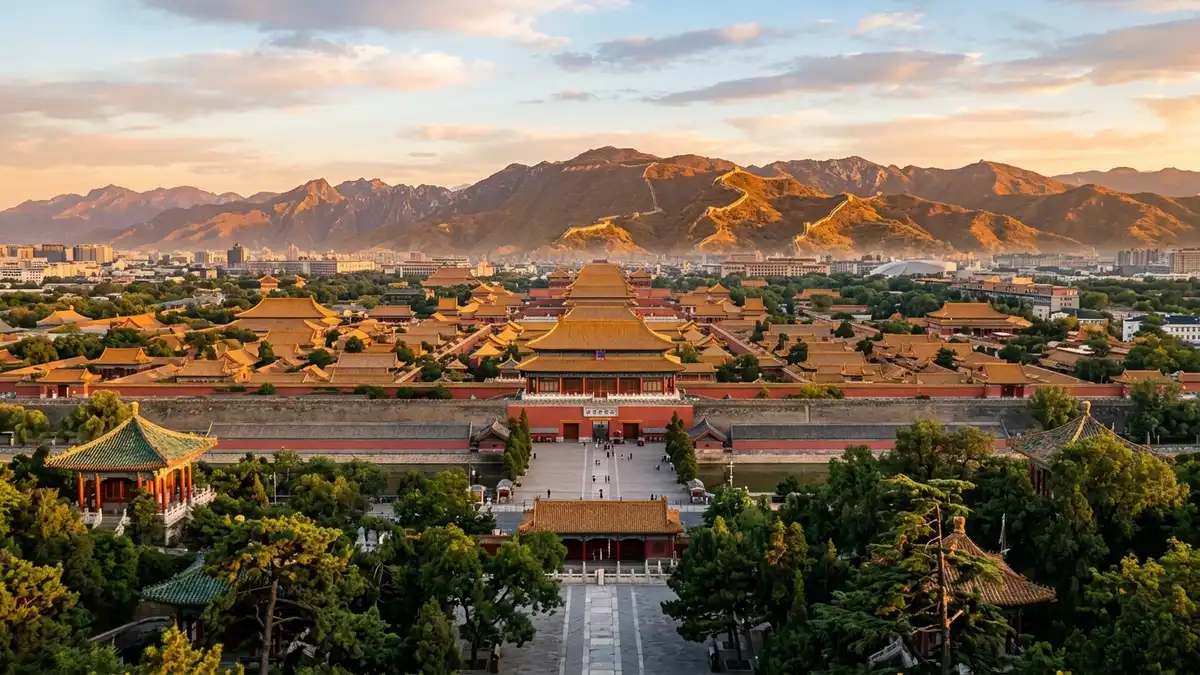
Beijing is one of those cities that earns every superlative thrown at it. Three thousand years of continuous history have left an extraordinary physical imprint on the place. The Forbidden City, the vast imperial palace complex at the heart of the city, is simply unlike anything else on earth — plan to spend the better part of a day there. The Temple of Heaven, Tiananmen Square, and the Summer Palace are all within reach, but the experience that tends to stay with visitors longest is the Great Wall. Multiple sections are accessible from Beijing, each with a different character, from heavily restored and crowded to wild and atmospheric.
Beyond the monuments, Beijing rewards wandering. The hutong neighborhoods — the ancient alleyway districts tucked between modern development — offer a quieter, more intimate side of the city. The food scene is anchored by Peking duck, a dish that originated here and tastes different when you're eating it in its home city. Dumplings, hand-pulled noodles, and street snacks fill out a deeply satisfying culinary landscape.
From Beijing Capital International Airport, the Airport Express train connects directly to central Beijing quickly and affordably, making it one of the more straightforward airport-to-city transfers in Asia. Skip the unlicensed taxi touts inside the terminal and use the official taxi queue or the train.
Timing your trip thoughtfully makes a real difference. June through August is peak season — warm, busy, and more expensive. Avoid Golden Week in early October and the Chinese New Year period in January or February if you want lower fares and thinner crowds at major sites. Shoulder seasons in spring and autumn offer pleasant temperatures and a more relaxed atmosphere.
The single best tip for this route: traveling mid-week and steering clear of Chinese national holidays can shave 20 to 30 percent off your fare. That's meaningful money on a transpacific ticket, and it often means a less hectic experience on both ends of the journey.