


Route Briefing: Seattle to Kathmandu
Few routes from the Pacific Northwest carry the kind of transformative promise that the Seattle-to-Kathmandu journey does. You're trading the evergreen forests of the Cascades for the shadow of the highest mountains on Earth — and that alone makes the roughly 18 and a half hours of travel time, typically with a connection through a Middle Eastern or Asian hub, feel entirely worth it.
Qatar Airways, China Southern, and Air India are your most reliable options on this route, and it's worth comparing all three since pricing and layover quality vary considerably. A roundtrip under $900 is a genuinely good deal here — standard fares tend to run between $1,200 and $1,600 or more, so when you spot something below that threshold, it's worth jumping on. The smartest move is booking three to five months ahead, particularly if you're targeting the spring window between March and May, when trekkers from around the world converge on Nepal and seats fill fast. If your schedule is flexible, the summer monsoon months see fares drop noticeably — the trade-off being heavier rainfall, though the lush green landscapes have their own quiet appeal.
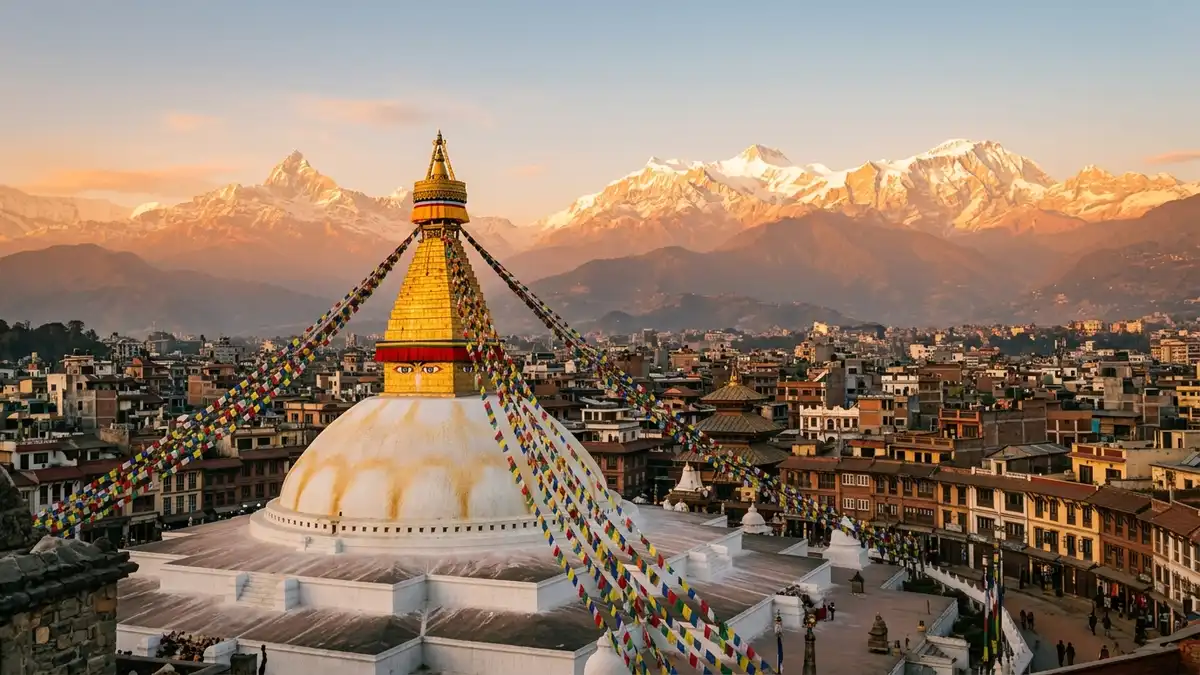
Kathmandu itself is a city that hits all your senses at once. The Boudhanath Stupa, one of the largest Buddhist stupas in the world, draws pilgrims and wanderers alike into its slow, meditative orbit of spinning prayer wheels and fluttering flags. Pashupatinath Temple on the banks of the Bagmati River is one of the most sacred Hindu sites in Asia. The old neighborhood of Thamel is chaotic and colorful, packed with gear shops, tea houses, and the kind of street energy that makes you feel immediately alive. Nepali cuisine — dal bhat, momos, and warming bowls of thukpa — is deeply satisfying and easy on the wallet.
From Tribhuvan International Airport, taxis and prepaid cab services are readily available into the city center, and the drive is short. Agree on a fare before you get in, or use a prepaid option from the terminal to avoid any negotiation fatigue after a long flight.
The single best tip for this route: if you're planning to trek, even a moderate trail like the Annapurna Circuit or the approach to Everest Base Camp, book your permits and domestic connecting flights well in advance. Demand during peak season is fierce, and having those logistics locked in before you land means you spend your first morning in Kathmandu drinking masala tea on a rooftop, not scrambling at a permit office.