


Route Briefing: Sydney to Maldives
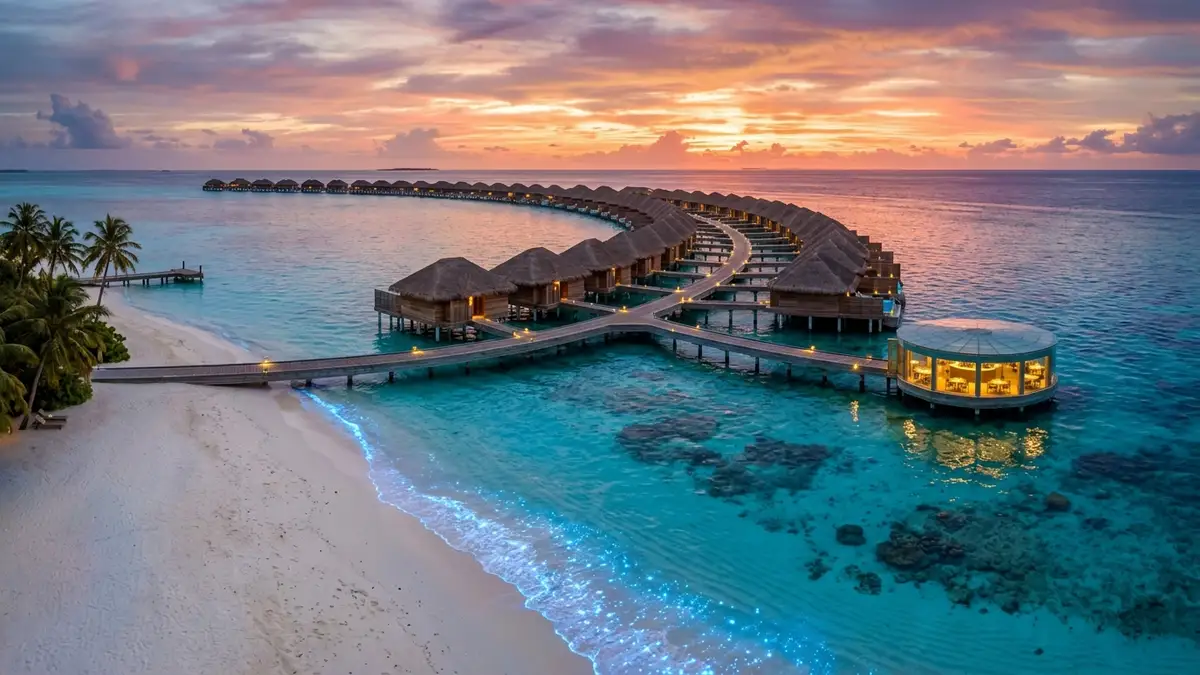
There are dream destinations, and then there is the Maldives — a place so visually extraordinary that photographs of it still somehow manage to undersell the reality. For Sydney travellers, the roughly eleven-and-a-half hour journey with one stop is genuinely worth every minute, because what waits on the other side is one of the most singular environments on the planet: a scattering of coral atolls barely above sea level, surrounded by the kind of turquoise water that makes you question whether you've wandered into a screensaver.
The flight itself connects through either Singapore or Kuala Lumpur, and both hubs are excellent options. Singapore Airlines and Malaysia Airlines both service this route well, and connecting through Changi or KLIA means you're moving through two of the world's most comfortable transit airports — a genuine silver lining on a long-haul journey. Sri Lankan Airlines via Colombo is another solid option worth checking. If you can snag a roundtrip fare under $700, you're doing very well; standard pricing tends to sit above $1,000, so flexibility with your dates and booking three to six months ahead for peak season travel makes a real difference.
Arriving into Velana International Airport in Malé, you'll quickly discover that getting to your resort is half the adventure. Most properties arrange transfers by speedboat or seaplane, and the seaplane leg in particular — skimming low over the atolls with the reef patterns visible below — is genuinely one of the great arrival experiences in travel. Confirm your transfer arrangements with your accommodation before you land, as seaplane operations are daylight-only and timing matters.
The Maldives runs warm year-round, but December through March is peak season for good reason: skies are reliably clear, seas are calm, and visibility underwater is exceptional. If you're a diver or snorkeller, this window is when the reefs truly shine. The wet season brings lower prices and a more dramatic atmosphere, though some days will be interrupted by rain.
One genuinely useful tip: the Maldives operates on a resort island model, meaning most food and drink is purchased through your accommodation at significant markup. If your budget allows, seriously consider an all-inclusive package rather than paying à la carte — the arithmetic almost always works in your favour. The experience itself — bioluminescent waves at night, reef sharks drifting past your villa's glass floor, the absolute silence of the Indian Ocean at sunrise — is the kind of thing that recalibrates your sense of what a holiday can actually be.