


Route Briefing: Toronto to Siem Reap
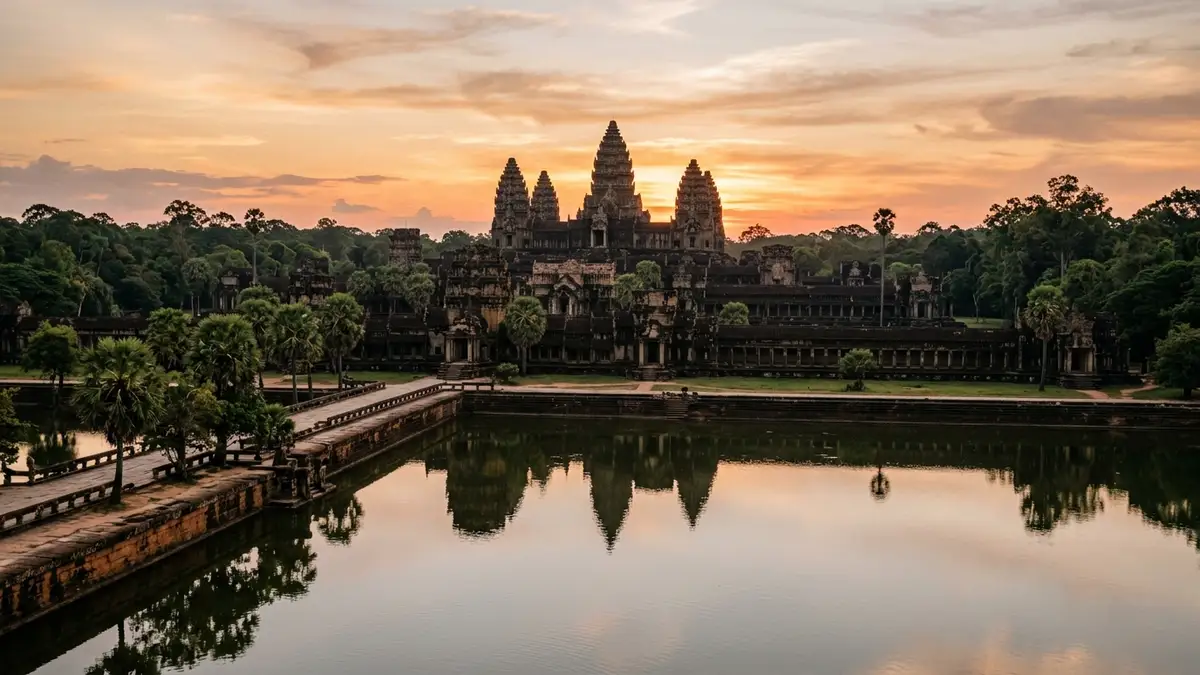
Twenty and a half hours is a long way to travel, but when your reward is standing before Angkor Wat at sunrise — the world's largest religious monument rising out of the Cambodian jungle like something dreamed rather than built — every layover feels worthwhile. This is one of those routes where the destination genuinely justifies the journey.
From Toronto Pearson, you'll typically connect through Bangkok or Hong Kong before touching down at Siem Reap International Airport. Both routings have their merits: Bangkok connections often come with the most competitive fares, while Hong Kong offers a slick, well-organized transit experience. Thai Airways, Cathay Pacific, and China Southern are your most reliable options on this corridor, and shopping fares through those Bangkok and Hong Kong hubs is your single best strategy for keeping costs down. A roundtrip under $900 CAD is genuinely achievable if you plan ahead — standard fares push well past $1,300, so booking three to six months out isn't just advice, it's the difference between a budget trip and an expensive one.
Once you land in Siem Reap, the city is compact and easily navigated. Tuk-tuks are the classic and practical way to get from the airport into town, and drivers near the terminal are accustomed to tourists — just agree on a price before you climb in. The same tuk-tuk culture extends to temple exploration, and hiring a driver for a full day to navigate the Angkor Archaeological Park is both affordable and genuinely the best way to experience the complex at your own pace.
Angkor Wat itself is the headline act, but the wider park rewards curiosity. Ta Prohm, where enormous tree roots have grown directly through the ancient stone structures, is one of the most visually arresting places on earth. Bayon temple, with its dozens of carved stone faces gazing serenely in every direction, has a completely different atmosphere — quieter, stranger, and deeply memorable.
Timing matters enormously here. November through February is peak season for good reason: the weather is dry, temperatures are manageable, and the skies are clear for photography. The shoulder months on either side still offer decent conditions, but the wet season brings humidity and afternoon downpours that can complicate temple visits.
The one tip worth burning into your memory: arrive at Angkor Wat before dawn. The crowds are thinner, the light is extraordinary, and watching the sun rise over those towers reflected in the temple's front pond is the kind of moment that makes a twenty-hour flight feel like the best decision you ever made.