The number airlines don't want you doing math on
Jet fuel accounts for somewhere between 20% and 30% of a typical airline's operating costs. On a $400 transatlantic economy fare — say, a United Airlines JFK-LHR ticket — that's roughly $80 to $120 of your money going straight into the tank before a single flight attendant gets paid. When crude oil prices spike, that math gets ugly fast, and the airline's first instinct is to pass it along to whoever's about to book seat 34B.
But here's the thing most budget travelers don't realize: the relationship between oil prices and your ticket price isn't instant, isn't linear, and isn't the same across every airline. Some carriers hedge their fuel costs years in advance. Others ride the spot market like a bad gamble. Understanding which is which can actually change when and how you book.
What "fuel surcharge" actually means on your ticket
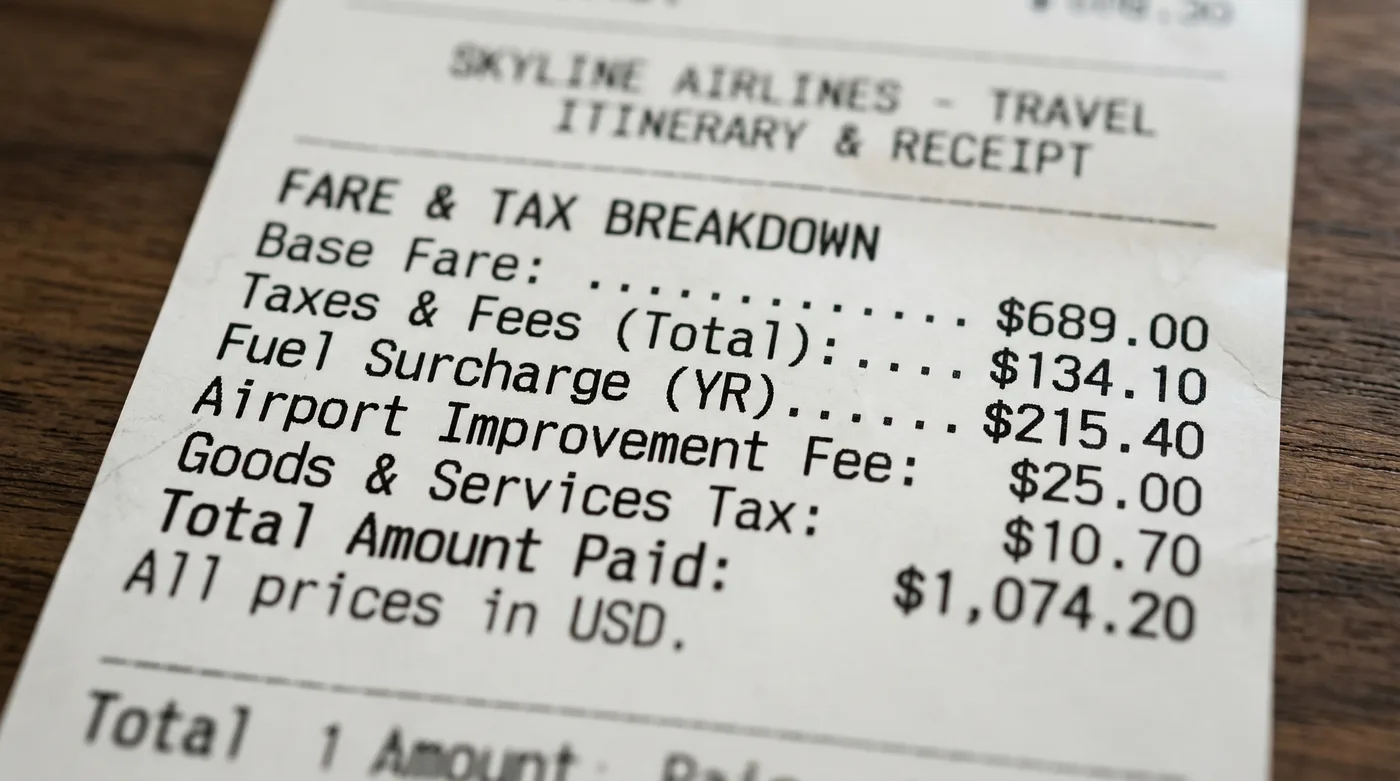
For years, airlines buried fuel costs inside a line item called a "fuel surcharge" — a separate fee stacked on top of the base fare. British Airways and Lufthansa were notorious for this. You'd find a $199 base fare on BA's London Heathrow to New York JFK route and then watch it balloon to $480 after surcharges, taxes, and fees got added at checkout.
Regulators in the US and EU have pushed back hard on this practice, forcing airlines to roll the all-in price into the advertised fare. But the cost didn't disappear — it just got folded into the number you see on the search results page. When jet fuel prices climbed roughly 18% between late 2024 and early 2026 (tracking closely with Brent crude moving from around $78/barrel to $92/barrel), average economy fares on high-demand transatlantic routes ticked up $30 to $60 per ticket. Not catastrophic, but not nothing either.
How airlines hedge — and why it matters to you
Fuel hedging is essentially an airline betting on future oil prices. Southwest Airlines built its entire low-cost empire partly on aggressive fuel hedging in the 2000s — locking in cheap fuel contracts while competitors paid market rates. That's a big reason Southwest could undercut legacy carriers so dramatically.
Fast forward to 2026, and the hedging landscape looks like this:
| Airline | Hedging approach | Effect on fares when oil spikes |
|---|---|---|
| Southwest (WN) | Historically aggressive hedger | Slower to raise fares |
| Ryanair (FR) | Active hedger, 12-18 month horizon | Relatively stable short-haul fares |
| Delta (DL) | Moderate hedging, partial coverage | Moderate fare increases |
| American (AA) | Minimal hedging since 2014 | Faster to raise fares |
| Spirit (NK) | Limited hedging capacity | Among first to feel oil spikes |
| TAP Air Portugal (TP) | Partial hedging | Mid-range sensitivity |
Pro Tip: When oil prices are climbing fast, check Ryanair and Southwest alternatives first. Their hedged fuel costs mean fares often stay flat for weeks after competitors have already repriced.
The routes that absorb fuel costs worst
Not all routes feel oil price swings equally. Long-haul flights burn dramatically more fuel per passenger, so the absolute dollar impact of a fuel price increase is higher. A 10% rise in jet fuel costs might add $8 to a Chicago-Miami fare but $55 to a Los Angeles-Tokyo fare.
Here's where it gets specific. In early 2026, with Brent crude sitting around $91/barrel, these route categories were showing the clearest fuel-cost pressure:
Transatlantic economy fares were running $50 to $80 higher than the same routes in early 2024, when crude was closer to $77. A JFK-BCN round trip on TAP Air Portugal — one of the consistently cheaper transatlantic options — was sitting at around $547 in February 2026, compared to $489 for the same dates two years prior. Transpacific routes were hit even harder. LAX-NRT on Japan Airlines was averaging $920-$1,050 round trip in economy, up from the $780-$850 range that budget-focused travelers had gotten used to. The fuel burn on a 12-hour Pacific crossing is brutal. Short-haul domestic routes inside the US and Europe felt it least. A Dallas-Denver fare on Southwest barely moved. London-Amsterdam on easyJet stayed stubbornly cheap at £39-£59 one-way because the fuel component on a 45-minute flight is small enough that hedging covers most of the variance.
The fuel surcharge comeback on award tickets
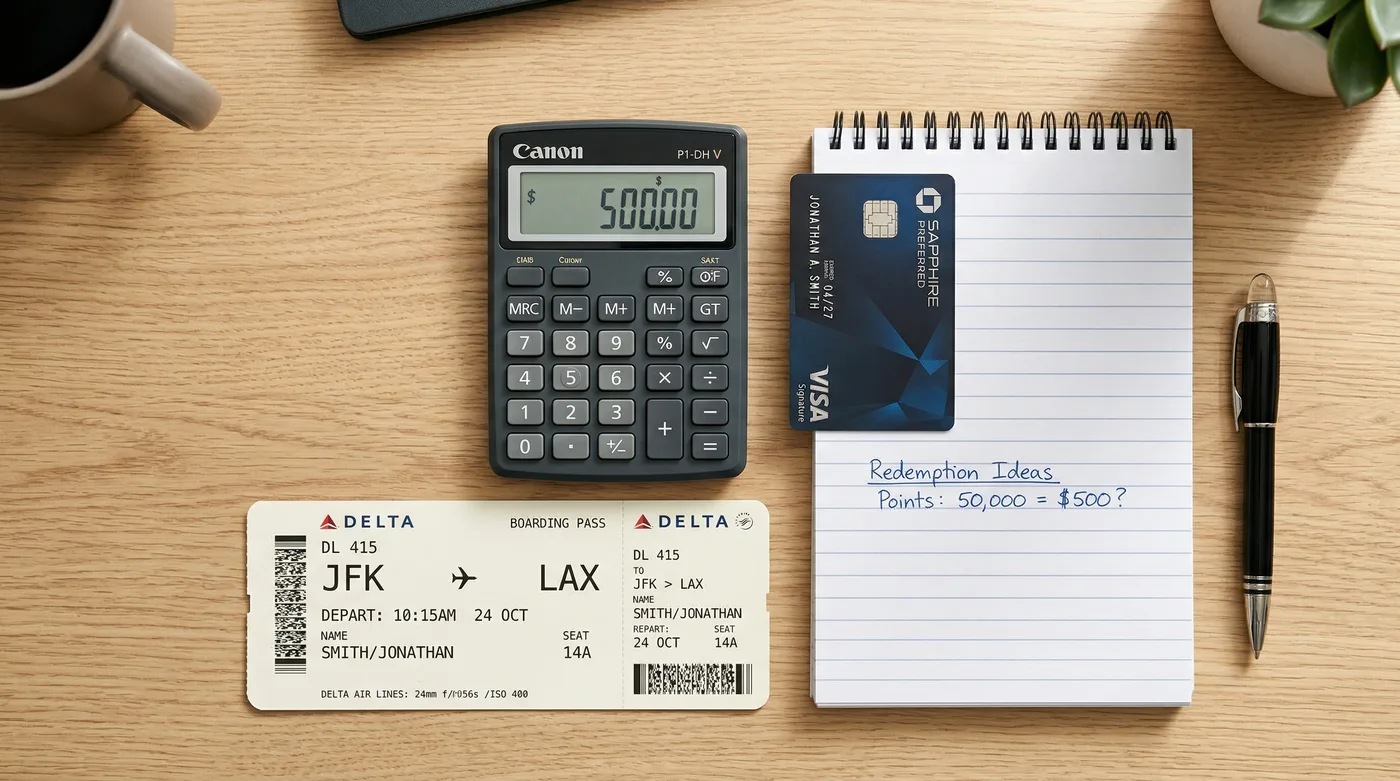
If you're someone who occasionally books using miles or points, fuel surcharges are having a quiet resurgence and it's genuinely annoying. British Airways Avios redemptions on BA-operated transatlantic flights were carrying fuel surcharges of $350-$550 per round trip in 2026. You'd burn 50,000 Avios and still pay more in surcharges than some cash fares on Norwegian or Icelandair.
American Airlines AAdvantage miles, redeemed on AA-operated metal, carry no fuel surcharges — a meaningful difference when you're actually running the numbers. Same with Air Canada Aeroplan on partner airlines like United. The surcharge structure is airline-specific and buried in the fine print, so if points travel is part of your strategy, this is worth knowing before you transfer anything irreversible.
When fuel prices drop — do fares actually follow?
Short answer: slowly, partially, and only under competitive pressure.
I spent an embarrassing amount of time in 2023 tracking what happened to transatlantic fares after jet fuel dropped about 22% from its 2022 peak. Spoiler: fares did not drop 22%. They dropped maybe 8-12% over six months, and only on routes with real competition. Airlines are not in a hurry to give back margin they clawed back during a high-fuel period.
The exceptions are routes where low-cost carriers are active. When Norwegian re-entered the transatlantic market more aggressively in 2024-2025, fares on London-New York and Paris-New York routes came down noticeably — not because fuel got cheaper, but because the competitive pressure forced legacy carriers to respond. Fuel costs are the floor. Competition determines whether airlines charge above it.
This is why FlightKitten's pounce alerts are worth setting even on routes you think are permanently expensive. When a low-cost carrier enters a route or runs a seat sale to fill capacity, fares can drop $100-$200 below what the fuel math would suggest is sustainable. Those windows are real, they're brief, and they're absolutely catchable if you have an alert set.
The low-cost carrier fuel equation
Budget airlines have a structural advantage when fuel prices rise, and it comes down to one thing: newer planes.
Ryanair's fleet is almost entirely Boeing 737 MAX 8s. EasyJet operates a young Airbus A320neo fleet. These aircraft burn 15-20% less fuel per seat than the older 737-800s and A320ceos they replaced. When jet fuel hits $3.00/gallon (roughly where it was sitting in early 2026), that efficiency gap translates directly into a cost advantage.
Frontier and Spirit in the US have both invested heavily in A320neo family aircraft for the same reason. It's not altruism — it's the only way to keep $39 base fares viable when fuel costs are elevated.
Legacy carriers are catching up, but they're dragging around older widebodies on long-haul routes where the efficiency gap is most punishing. A United 767-300ER on a Newark-Madrid run burns significantly more fuel per seat than an Iberia A321XLR covering similar distances. That's part of why Iberia's economy fares on transatlantic routes have been consistently competitive in 2026 — the hardware is genuinely more efficient.
Pro Tip: When comparing fares on a route, check what aircraft type each airline is operating. FlightKitten's deal alerts often flag routes where newer, more fuel-efficient aircraft have just entered service — these tend to be sweet spots for cheap fares as airlines try to fill the new capacity.
Practical booking strategy when fuel prices are high
Okay, enough background. Here's what actually changes about how you should book when oil prices are elevated:
Book further out on long-haul routes. Airlines set fares based on projected fuel costs, and those projections get more expensive as oil climbs. If you book a LAX-SYD flight six months out during a period of rising crude, you're locking in a fare before the airline has fully repriced for where oil might be at departure. Waiting rarely helps on long-haul when fuel is trending up. Go short-haul when possible. This sounds obvious but it's genuinely underused. If you're trying to get from the US East Coast to Southern Europe, consider flying to London on a cheap transatlantic fare (often $350-$450 round trip on Norwegian or Level), then catching a Ryanair or Vueling connection for £25-£40. The fuel math on short European hops is much more forgiving. Watch the Tuesday-Wednesday booking window. This is old advice that still holds up. Airlines typically release fare adjustments and sales Monday night. By Tuesday afternoon, competing airlines have matched or undercut. Wednesday morning often catches the bottom of that competitive repricing cycle before fares creep back up. Use FlightKitten hunts on specific routes rather than general browsing. When fuel prices are volatile, fares can swing $80-$120 in 48 hours on competitive routes. Setting a hunt on, say, BOS-DUB with a target price of $450 round trip means you get a pounce alert the moment the fare hits your number — rather than checking manually and either missing it or catching it after it's already climbed back. Consider fuel-exposed routes for last-minute deals. This is counterintuitive. When oil prices spike suddenly, airlines on routes with excess capacity sometimes drop fares to fill seats rather than fly half-empty and still pay the fuel bill. A plane that's going anyway costs roughly the same in fuel whether it's 60% or 90% full. That's why last-minute deals on some long-haul routes are real — the marginal cost of your seat is low even when the average cost is high.What to watch for the rest of 2026
A few things worth keeping an eye on if you're planning travel in the back half of the year:
OPEC+ production decisions in Q2 2026 will likely set the tone for summer fuel costs. If crude stays above $90, expect transatlantic summer fares to remain elevated — budget $550-$700 for a decent economy round trip from East Coast US to Western Europe, versus the $420-$480 sweet spots that were available in lower-fuel periods.
The A321XLR rollout continues to matter. As more airlines take delivery of this aircraft (Iberia, Air Lingus, and LOT Polish Airlines are all adding them in 2026), new transatlantic routes are becoming viable for the first time. More competition on thin routes historically means lower fares, regardless of what fuel is doing.
And watch the low-cost carrier capacity decisions. When fuel is expensive, budget airlines sometimes pull back on marginal routes to protect margins. If Wizz Air or Norwegian reduces frequency on a route you're watching, that's a signal to book sooner rather than later — less competition means less pressure to keep fares low.
The bottom line
Fuel prices are the single biggest variable you can't control as a traveler. But understanding how they work — which airlines are exposed, which routes absorb costs hardest, and when the windows of competitive pricing open up — puts you in a genuinely better position than the average person just refreshing Google Flights and hoping.
Set your hunts on FlightKitten for the routes you actually want to fly. Let the pounce alerts do the monitoring. And when a fare drops to your number, don't spend three days thinking about it — that's the fuel math working in your favor, and it won't last.