


Route Briefing: Atlanta to Muscat
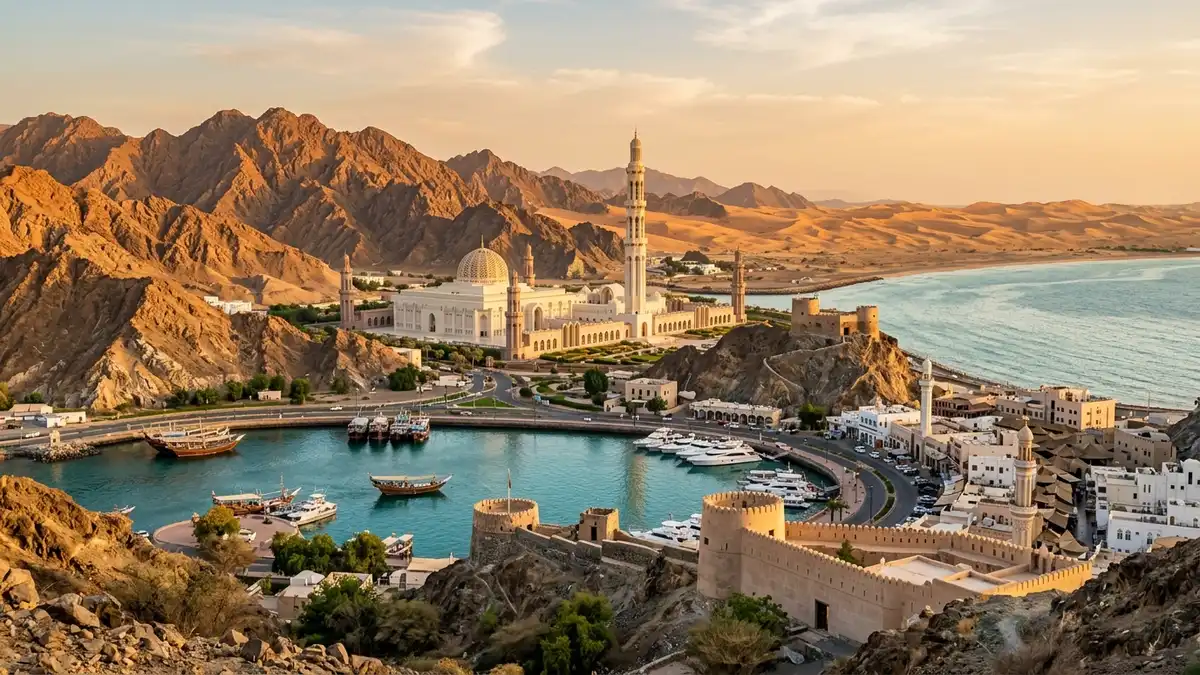
Few routes from Atlanta open a door quite like this one — nearly eighteen hours of travel separating the American South from one of the Arabian Peninsula's most quietly captivating capitals. Muscat doesn't shout for your attention the way Dubai does. It earns it slowly, through the scent of frankincense drifting through covered souks, the sight of the Sultan Qaboos Grand Mosque glowing white against a copper-toned mountain backdrop, and the realization that you've stumbled into a city that takes genuine pride in doing things with grace.
From ATL, Emirates and Qatar Airways are your most reliable carriers, routing you through Dubai or Doha respectively. Both hubs are world-class connection points, and a layover in either gives you access to some of the best airport amenities on the planet — worth factoring in if you're stretching a long-haul journey. Etihad through Abu Dhabi is another solid option. Roundtrip fares under $900 represent genuine value on this corridor, while standard pricing tends to sit above $1,300, so the gap between a good deal and a bad one is meaningful. Book three to six months out and you're in the best position to catch competitive pricing before the route tightens up.
Timing matters here. December and January bring Muscat's most pleasant weather — warm days, cool evenings, and a city that feels alive with outdoor activity. The summer months of June through August are peak season too, largely driven by regional travel, but temperatures can be intense, so pack accordingly and lean into the air-conditioned souks and indoor cultural spaces during midday hours.
Once you land at Muscat International Airport, the city center is a manageable distance away, and taxis are readily available at arrivals. Agree on a fare before you go or look for metered options — standard advice anywhere in the region that saves friction on day one.
The real reward of Muscat is what lies just beyond the city limits. Wadi Shab and Wadi Bani Khalid offer stunning canyon and natural pool landscapes within a few hours' drive. The Wahiba Sands desert is accessible for those wanting a proper dune experience. And the Mutrah Souk, one of the oldest markets in the Gulf, is the kind of place where an hour can quietly become three.
The experience-enhancing tip worth remembering: Oman is significantly more relaxed in atmosphere than many of its Gulf neighbors, and locals genuinely appreciate visitors who engage respectfully with the culture. Dress modestly outside resort areas, learn a word or two of Arabic greeting, and you'll find the warmth returned tenfold. This is a destination that rewards curiosity.