


Route Briefing: Chicago to Curaçao
Chicago winters have a way of making you dream about somewhere warm, and Curaçao is one of the Caribbean's most underrated answers to that craving. The flight from O'Hare runs around eight and a half hours with a stop, with United Airlines, American Airlines, and Copa Airlines all serving the route. Connecting through Miami or Houston tends to give you the smoothest experience — shorter layovers and more competitive fares — so keep an eye on those hubs when you're searching. If you can snag a roundtrip under $500, grab it without hesitation. That's a genuinely good deal on this route, well below the standard fare that typically climbs past $750.
Curaçao sits just outside the hurricane belt, which is one of its best-kept secrets. While much of the Caribbean braces for storm season between June and November, Curaçao stays relatively dry and sunny year-round. Peak season runs December through April, when the island fills with visitors escaping northern winters — book two to four months ahead if you're traveling during that window. But traveling in the so-called off-season can reward you with quieter beaches, lower accommodation rates, and the same reliably gorgeous weather.
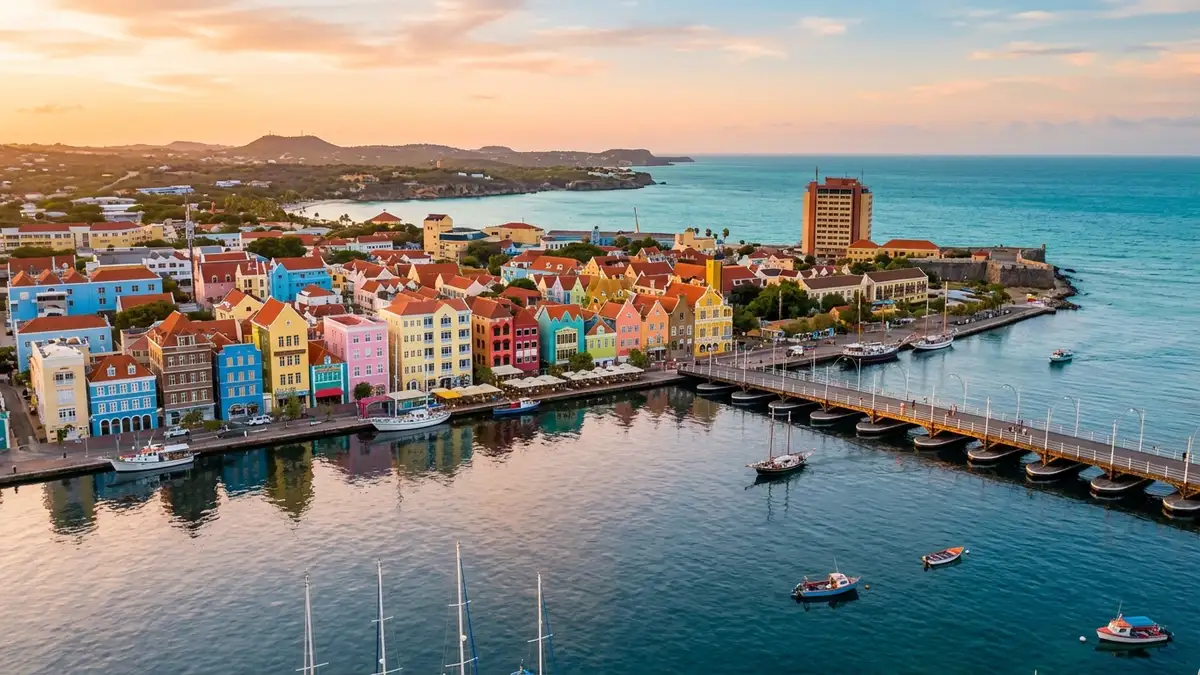
Willemstad, the capital, is the kind of place that stops you in your tracks the moment you arrive. The waterfront district of Handelskade is lined with candy-colored Dutch colonial buildings that look almost too perfect to be real — and yet there they are, reflected in the harbor. The city is a UNESCO World Heritage Site, and wandering its streets feels like a genuinely unique blend of European architecture and Caribbean soul. The Queen Emma Bridge, a floating pedestrian pontoon bridge, swings open to let ships pass and is one of those small, charming details that makes a destination feel alive.
Beyond the city, Curaçao's beaches and underwater world are the real draw. The island is surrounded by coral reefs in exceptional condition, making it one of the top diving destinations in the entire Caribbean. Even if you're not a diver, snorkeling directly off many beaches puts you face-to-face with vibrant marine life without any special equipment or boat trips required.
One tip worth taking seriously: rent a car once you're on the island. Public transportation is limited, and having your own wheels is the difference between seeing the main tourist spots and discovering the hidden coves and rugged western coastline that most visitors never reach. It's a small island, so distances are manageable, and the freedom it gives you is well worth the cost.