


Route Briefing: Chicago to Hiroshima
Few routes carry as much emotional weight as the one connecting Chicago to Hiroshima. You're flying from one of America's great lakeside cities to a place that transformed itself from the site of unimaginable tragedy into one of the world's most profound symbols of peace and renewal. That contrast alone makes the roughly 16 and a half hours of travel — with one stop — feel entirely worthwhile.
Most travelers connect through Tokyo or Osaka on carriers like ANA or Japan Airlines, both of which offer excellent service and solid connections into Hiroshima's airport. United also operates this route if you prefer flying with a familiar American carrier. If you have flexibility, consider flying into Osaka's Kansai International Airport and riding the Shinkansen to Hiroshima instead — the bullet train journey is fast, scenic, and gives you a taste of Japan's legendary rail network before you even arrive at your destination. From Hiroshima Airport, airport buses run directly into the city center, making the transfer straightforward.
Once you're there, the Peace Memorial Park and Museum should be your first stop. It's one of the most thoughtfully designed memorial spaces anywhere in the world — moving without being overwhelming, and essential for understanding the city's story. The A-Bomb Dome, the skeletal building preserved near the hypocenter, is genuinely haunting in the best possible way. But Hiroshima isn't a city frozen in grief. It's vibrant, forward-looking, and deeply proud of its resilience.
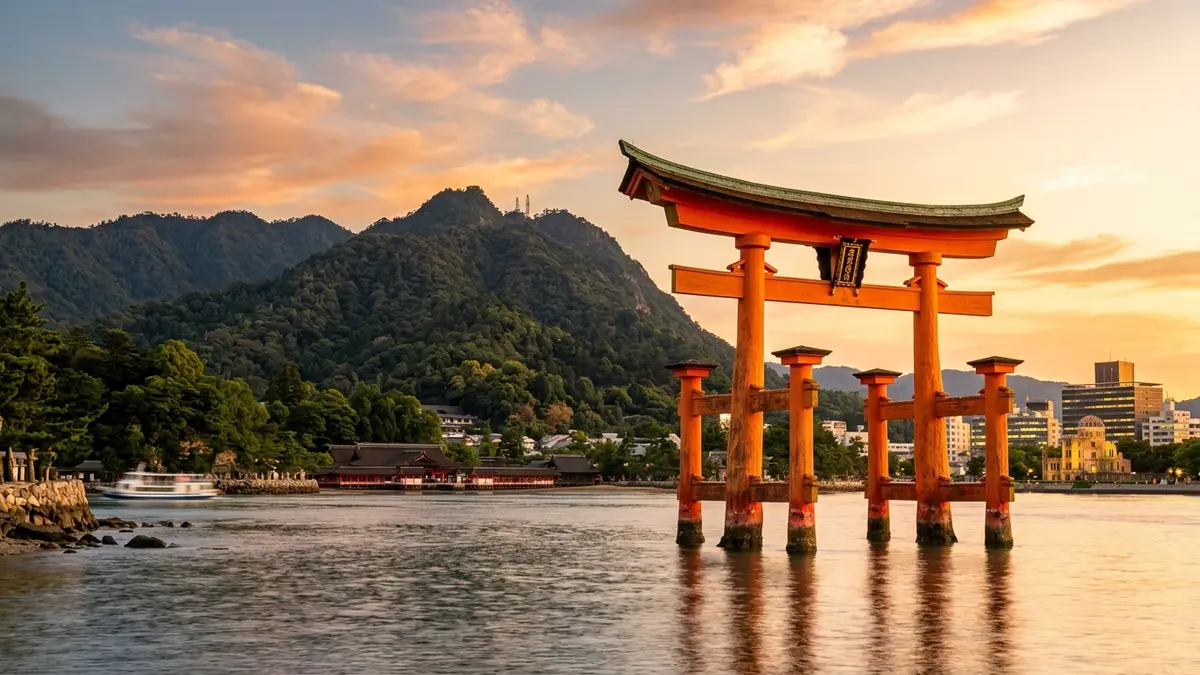
A short ferry ride from the city brings you to Miyajima Island, home to the iconic floating torii gate of Itsukushima Shrine. Timing your visit around high tide, when the gate appears to float on the water, is one of those travel moments that lives up to every photograph you've ever seen. And before you leave Hiroshima, eat okonomiyaki — the local savory pancake layered with noodles, cabbage, and your choice of toppings. Hiroshima-style is distinct from Osaka-style, and locals are passionate about the difference.
For timing, late March through early April brings cherry blossoms that transform the city's parks and riverbanks into something magical, and this is also when fares and hotels fill up fast. July and August are peak summer season in Japan — warm and busy. For a quieter, more affordable visit, autumn delivers beautiful foliage and comfortable temperatures.
On fares, anything under $800 roundtrip is a genuine deal on this route — standard pricing runs $1,200 or more. Booking three to six months ahead gives you the best shot at those lower fares, especially around cherry blossom season when demand spikes sharply.