


Route Briefing: Dallas to Crete
There are some destinations that feel genuinely transformative the moment you step off the plane, and Crete is absolutely one of them. Flying from Dallas to Heraklion is a serious commitment — around 16 and a half hours with one or two stops — but the payoff is an island so rich in history, landscape, and food culture that travelers routinely return year after year. This isn't a quick weekend hop; it's the kind of trip you plan properly, and that planning starts with your booking window.
Aim to lock in your tickets four to six months before a summer departure. Heraklion draws enormous crowds between June and August, and fares reflect that demand fast. A genuinely good deal on this route lands under $700 roundtrip, while leaving it too late can push you well past $1,000. Lufthansa, British Airways, and Air France tend to offer the most competitive options out of DFW, routing you through Frankfurt, London Heathrow, or Paris Charles de Gaulle respectively. These are all well-connected hubs with reasonable layover experiences, so use that stopover time to stretch your legs properly — you'll want to arrive in Crete feeling human.
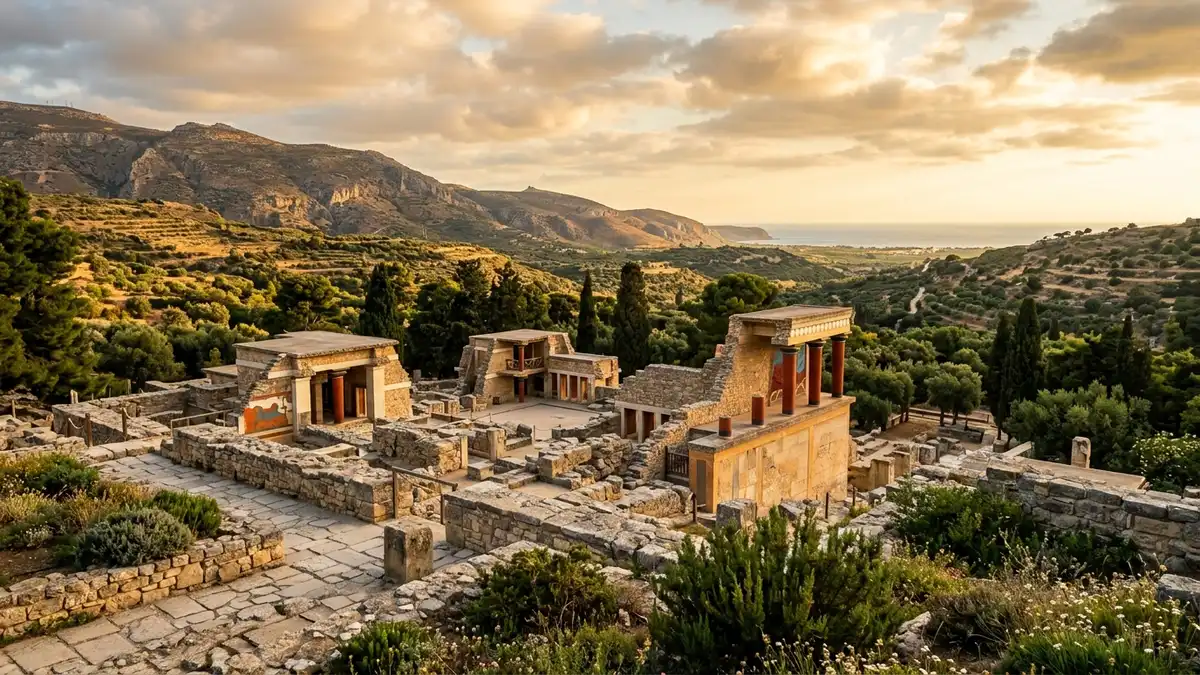
Heraklion's airport sits close to the city, and taxis and buses connect you to the center without much fuss. From there, the island opens up in every direction. The Palace of Knossos, just outside Heraklion, is one of Europe's most significant archaeological sites — the ceremonial heart of the ancient Minoan civilization, which flourished here thousands of years before the classical Greek world most people picture. It's genuinely awe-inspiring and worth visiting early in the morning before the heat and tour groups build up.
Beyond the ruins, Crete rewards slow exploration. The Samaria Gorge in the island's west is one of Europe's longest gorges and a spectacular full-day hike for those with the legs for it. The coastal towns of Chania and Rethymno carry beautifully preserved Venetian architecture that tells the story of the island's layered history. And the food — Cretan cuisine is widely considered among the healthiest and most distinctive in the Mediterranean, built around olive oil, fresh vegetables, local cheeses, and simply prepared seafood.
If you can be flexible with timing, late May and September offer a sweet spot: warm enough for beaches and outdoor exploration, noticeably quieter than peak summer, and often meaningfully cheaper on both flights and accommodation. That flexibility alone can be the difference between a stressful, expensive trip and one that feels effortlessly good from the moment you land.