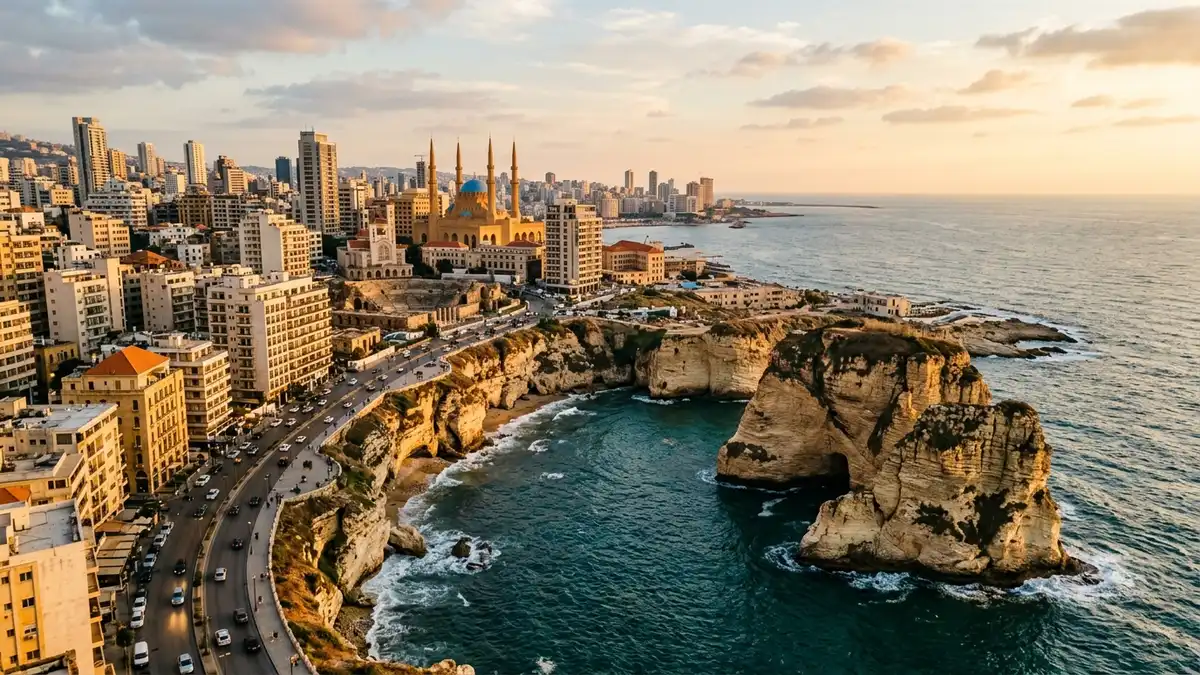



Route Briefing: Dubai to Beirut
Just three and a half hours from Dubai and you're stepping into one of the most layered, electric cities in the entire Middle East. Beirut doesn't ease you in gently — it hits you immediately with the smell of strong coffee, the sound of competing music spilling from open windows, and a skyline that somehow holds ancient ruins and gleaming rooftop bars in the same frame. For anyone based in the UAE, this route is genuinely one of the most rewarding short-haul escapes available.
Emirates, Middle East Airlines, and flydubai all serve the route year-round, giving you solid flexibility on timing and budget. A good roundtrip fare comes in under $350, while standard pricing sits north of $550 — so it's worth being strategic. Book four to eight weeks ahead for the sweet spot on pricing, and steer clear of the summer surge between June and August when the Lebanese diaspora floods home and fares climb sharply alongside the temperatures.
Spring and autumn are the real gems for this trip. The Mediterranean climate means mild, pleasant days, manageable crowds, and a city that feels like it belongs to you rather than the peak-season masses. Beirut in April or October is a different experience entirely from the packed, sweltering August version.
The city itself rewards curious wanderers. The Corniche along the seafront is a perfect introduction — locals walk it at all hours, vendors sell everything from corn to fresh juice, and the sea stretches out toward Cyprus in a way that makes the world feel both vast and intimate. The Gemmayzeh and Mar Mikhael neighbourhoods are where Beirut's famous resilience shows most vividly, with beautifully restored Ottoman-era buildings sitting beside bombed-out shells, all of it alive with galleries, bars, and restaurants serving some of the finest Lebanese food you'll ever eat. Hummus, kibbeh, fresh flatbreads, mezze spreads that seem to multiply endlessly — the cuisine alone justifies the flight.
Rafic Hariri International Airport sits close to the city centre, and taxis are the standard way to get in. Agree on a fare before you get in the car — this is standard practice and will save you the frustration of an inflated meter at the end of the ride.
The one tip that genuinely elevates the trip: arrive with US dollars in cash. The Lebanese economy has experienced significant turbulence in recent years, and many businesses operate in dollars alongside the local currency. Having cash on hand gives you flexibility and often better rates than card payments. It's a small practical step that makes the whole experience smoother from the moment you land.