


Route Briefing: Dubai to Bogotá
Flying from Dubai to Bogotá is genuinely one of the more ambitious journeys you can plan — crossing from the Arabian Gulf all the way to the Andes in a single trip — but for travellers who've already explored closer destinations, this route opens up a city that consistently surprises people who underestimate it. At around 18 and a half hours with a stop, it's a commitment, but Bogotá rewards that effort in ways that few South American capitals can match.
Fares on this route tend to sit in the $1,200–$1,600 range as a standard roundtrip, but patient bookers who plan three to six months ahead can find deals under $900. Copa Airlines routing through Panama City and Avianca are your most reliable options, with American Airlines via Miami also worth checking. The Panama City connection tends to be particularly smooth — Copa runs a tight hub at Tocumen and the layover experience is genuinely pleasant compared to many alternatives.
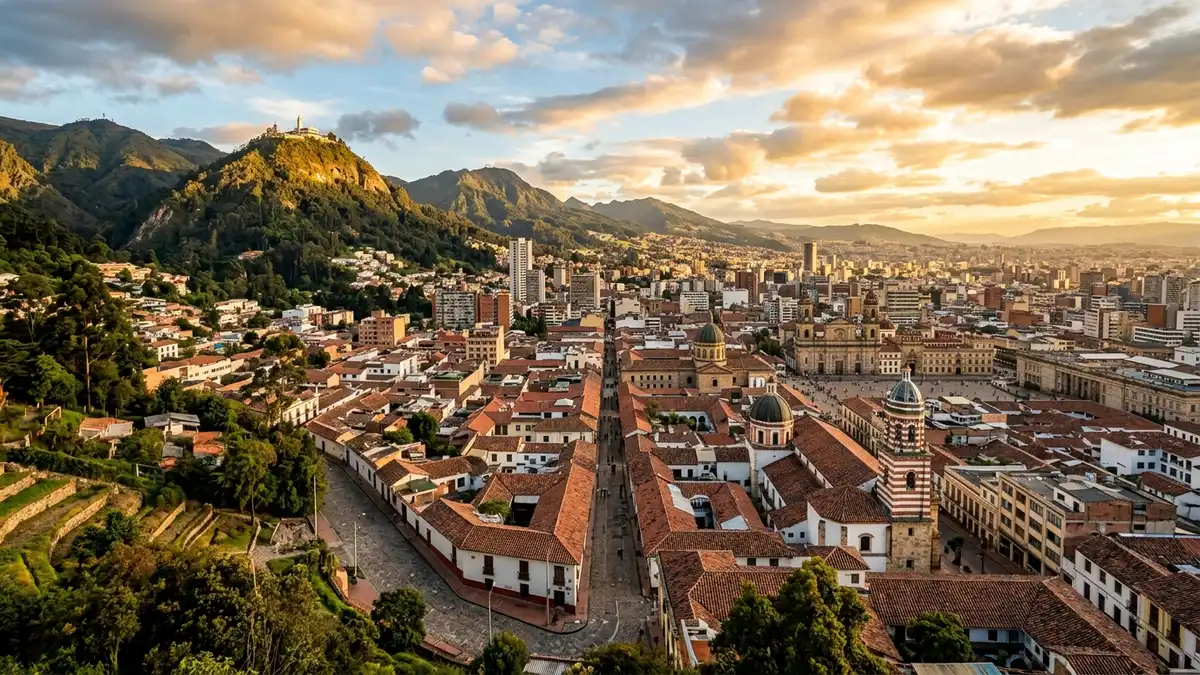
Bogotá sits at around 2,600 metres above sea level, so give yourself a day to acclimatise before doing anything too strenuous. The colonial neighbourhood of La Candelaria is the obvious starting point — its narrow streets, bold street art, and concentration of museums make it one of the most walkable historic centres in South America. The Gold Museum, which houses an extraordinary pre-Columbian collection, is among the finest museums on the continent and shouldn't be skipped.
Colombia's coffee culture is woven into daily life here, and Bogotá's café scene reflects that seriously. The city also has a food culture that's evolved dramatically in recent years, with everything from hearty traditional stews to inventive modern Colombian cooking available across different neighbourhoods.
For getting into the city from El Dorado International Airport, taxis and app-based ride services are the practical choice — the journey to the city centre takes roughly 30 to 45 minutes depending on traffic, and Bogotá's traffic can be significant during rush hours, so factor that into your arrival timing.
Peak season falls in December through January and again in July and August, when prices climb and accommodation books out faster. If your schedule allows, travelling in the shoulder months gives you better fares and a more relaxed experience. The climate in Bogotá is famously mild and consistent year-round thanks to the altitude — think spring-like temperatures most days, with afternoon rain showers being common, so a light layer and a compact umbrella are genuinely useful packing choices regardless of when you visit.