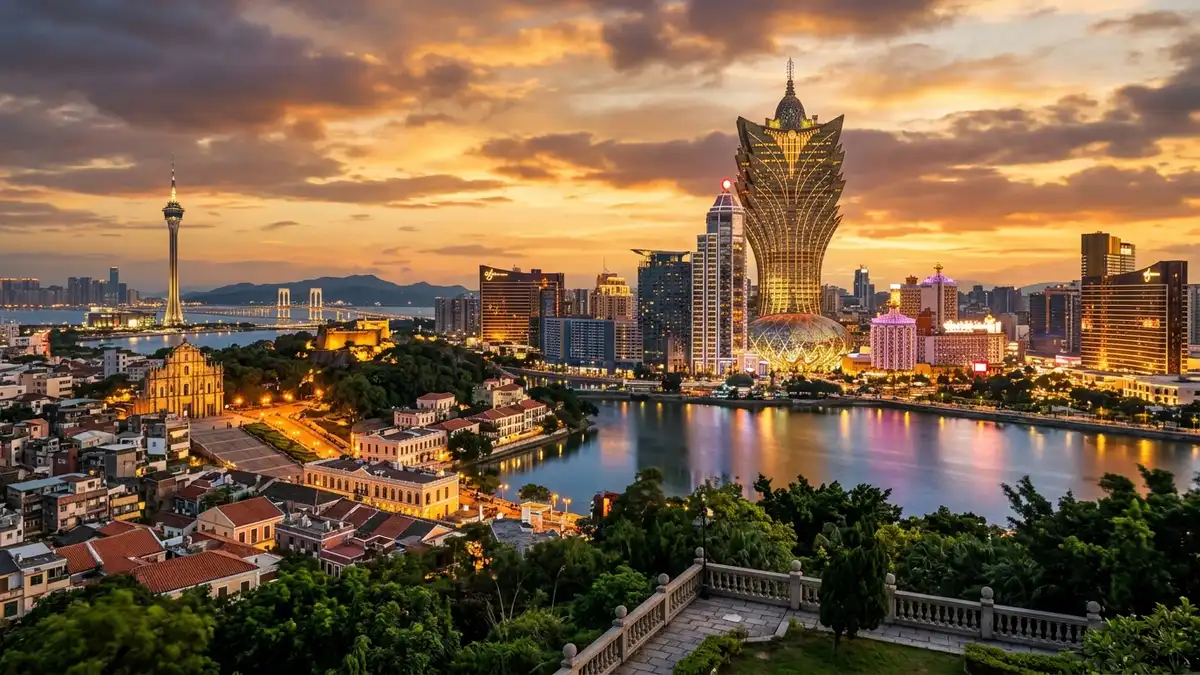



Route Briefing: Dubai to Macau
Few routes capture the imagination quite like the journey from Dubai to Macau — two cities that have essentially built entire identities around spectacle, luxury, and the thrill of possibility. The flight runs around nine and a half hours with a connection, typically routed through Hong Kong, and carriers like Air Arabia, flydubai, and Cathay Pacific service this corridor year-round. If you're flexible with your timing, booking six to eight weeks ahead and flying mid-week rather than on weekends can shave a meaningful amount off your fare — a good roundtrip deal comes in under $500, while leaving it to the last minute or flying peak days can push you well past $800.
Macau is one of those destinations that genuinely defies easy description. Yes, the casinos are staggering in scale — the Cotai Strip has resorts that dwarf almost anything you'd find in Las Vegas — but reducing Macau to its gambling scene is like visiting Rome just for the pizza. The city spent over 400 years as a Portuguese colony, and that history is written into the streets in a way that feels completely authentic. The Historic Centre of Macau is a UNESCO World Heritage Site, and wandering through its pastel-coloured plazas and baroque church facades while the smell of egg tarts drifts from nearby bakeries is one of the genuinely surprising pleasures of East Asia travel. The ruins of St. Paul's Cathedral are iconic for good reason.
The food scene here is exceptional and often underrated. Macanese cuisine — a fascinating fusion of Portuguese and Chinese cooking traditions — is something you simply cannot find anywhere else on earth. Beyond that, Macau punches well above its weight for Michelin-starred restaurants, making it a serious destination for food lovers who want world-class dining without Tokyo or Hong Kong prices for everything.
Getting from Macau International Airport into the city is straightforward, with taxis readily available and many of the larger casino resorts operating their own ferry and shuttle connections from the ferry terminals, which is worth knowing if you're arriving via Hong Kong.
Timing matters on this route. Chinese New Year, falling in January or February, and the October Golden Week holiday are both peak periods when prices spike and accommodation books out fast. If you want the energy of a city fully alive, those windows deliver it — but plan well ahead. For a more relaxed visit with easier bookings and comfortable weather, the shoulder months either side of those peaks are your sweet spot.
One tip worth holding onto: the historic peninsula and Taipa Village reward slow, aimless walking far more than any itinerary. Leave a morning completely unplanned and just follow the alleyways.