


Route Briefing: Las Vegas to Shanghai
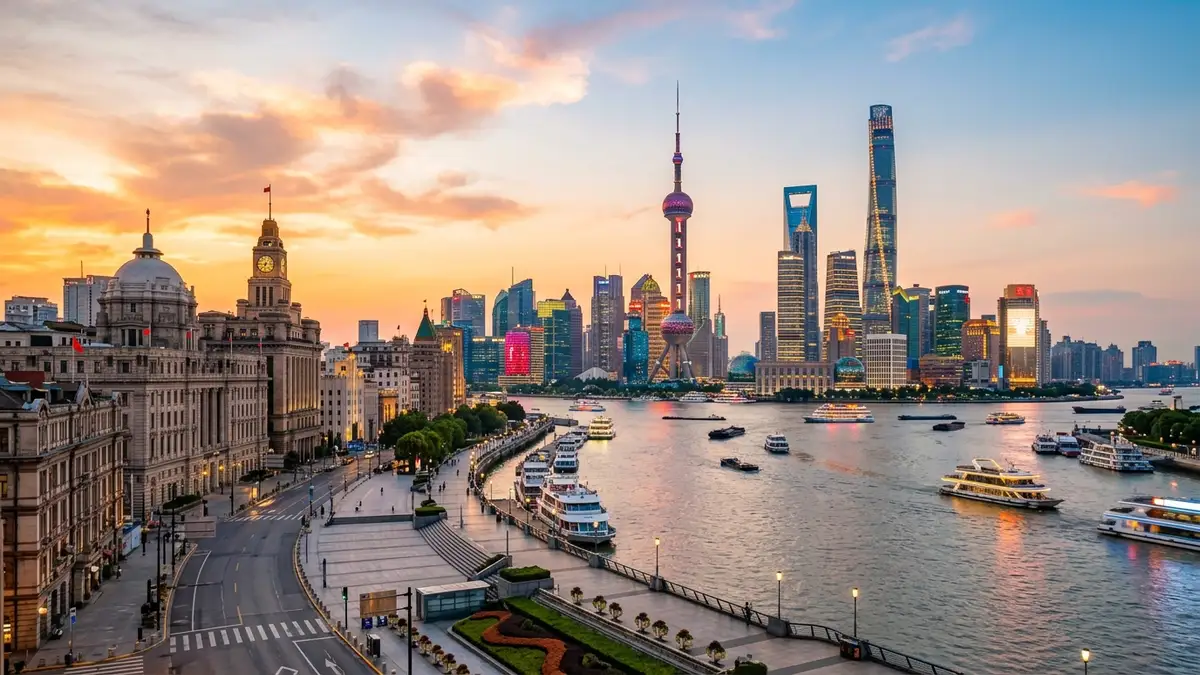
Trading the neon desert of Las Vegas for the electric skyline of Shanghai is one of those travel decisions that sounds dramatic on paper but makes complete sense once you're standing on the Bund watching the Pudong towers shimmer across the Huangpu River. This is a city that genuinely competes with Vegas for spectacle — it just does it with a century more of layered history underneath all that glass and light.
The journey runs around 13 and a half hours with one stop, and Air China, China Eastern, and United Airlines all serve this route regularly. If you're flexible with your schedule and book two to four months out, you can realistically land a roundtrip fare under $650 — a genuine bargain for a transcontinental haul of this distance. Standard pricing climbs well past $1,000, so that advance planning window really does matter here. The one timing trap to avoid: Chinese New Year in January or February and Golden Week in early October both send prices surging while simultaneously packing every tourist site shoulder to shoulder. Spring and autumn are the sweet spots for comfortable weather and manageable crowds.
Shanghai Pudong International Airport is well connected to the city center, and the Maglev train — one of the fastest commercial trains in the world — will shoot you into the Longyang Road metro station in under ten minutes, where you can connect onward into the city. It's a genuinely thrilling way to arrive, and far faster than sitting in traffic.
Once you're in the city, the contrasts are what make Shanghai so endlessly engaging. Yu Garden is a classical Ming-dynasty retreat tucked improbably into the middle of a buzzing commercial district, while the French Concession neighborhood offers tree-lined streets, art deco architecture, and some of the best café culture in Asia. The Bund itself is best experienced twice — once during the day for the colonial-era architecture on the western bank, and once after dark when Pudong's towers light up in full.
The practical tip worth knowing: Shanghai's metro system is extensive, affordable, and genuinely easy to navigate with English signage. Relying on it over taxis will save you money and time, especially during rush hour. Download a translation app before you fly — menus and street signs outside tourist areas can be entirely in Mandarin, and a little preparation goes a long way toward making spontaneous discoveries actually enjoyable rather than stressful.