


Route Briefing: Los Angeles to Lagos
Few routes from Los Angeles carry quite the same sense of arrival as landing in Lagos — stepping off the plane into Africa's most electrifying metropolis, a city of somewhere between 15 and 20 million people depending on who's counting, all of them moving with an energy that hits you immediately. This is Nigeria's economic and cultural engine, the birthplace of Afrobeats as a global phenomenon, and a place that rewards curious, open-minded travelers enormously.
The journey itself is a commitment — around 20 and a half hours with a connection — but the routing actually works in your favor. Delta, Air France, and British Airways all serve this route, and connecting through Paris or London tends to unlock more competitive fares than routing through a domestic US hub. If you can land a roundtrip under $900, that's genuinely excellent value for a transatlantic-plus flight of this distance. Standard fares run $1,300 to $1,800 or more, so booking three to six months out is the single most effective move you can make. Set fare alerts now and be ready to commit when the price drops.
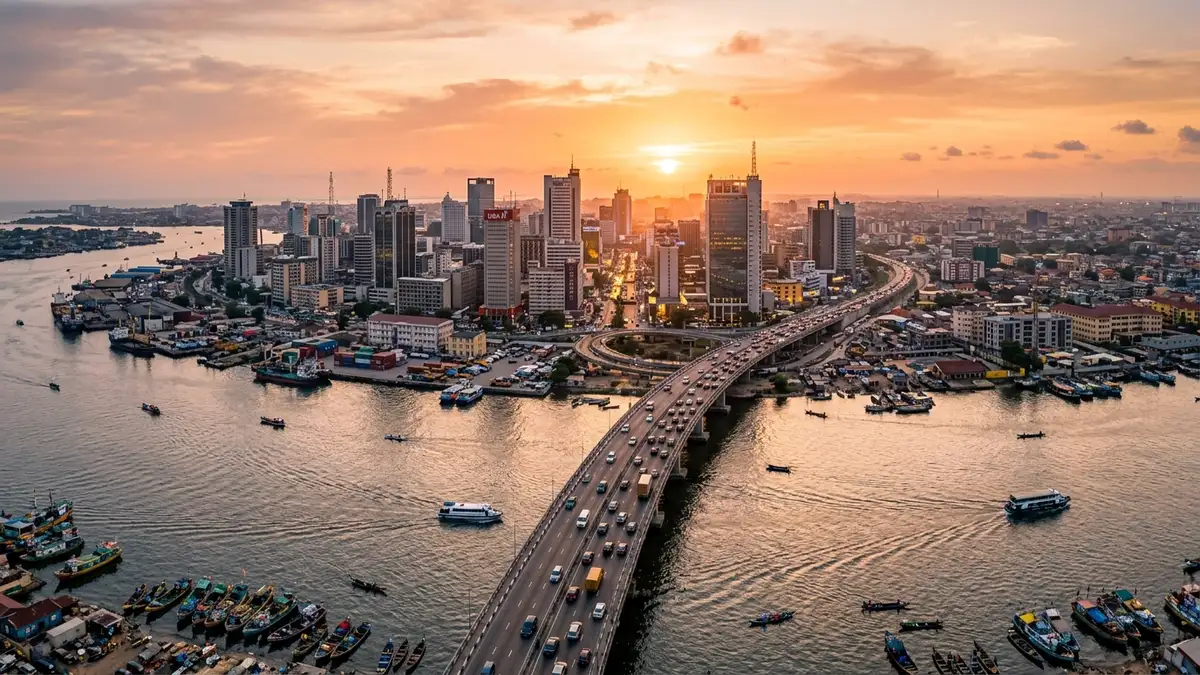
Lagos rewards you with layers. The Afrobeats scene here isn't a tourist attraction — it's simply life, spilling out of neighborhoods, clubs, and street corners. The Lagos Lagoon gives the city its distinctive geography, with Victoria Island and Lekki offering a more polished, cosmopolitan face of the city, while areas like Yaba pulse with creative energy, markets, and street food culture. Nigerian cuisine is a genuine highlight — jollof rice, suya, egusi soup, and puff-puff are all worth seeking out from local spots rather than hotel restaurants.
Arriving at Murtala Muhammed International Airport, be prepared for a busy, loud, and occasionally chaotic experience — it's part of the Lagos welcome. Taxis and ride-hailing apps operate from the airport into the city, and having your accommodation's address clearly saved and a local SIM card sorted quickly will make the transition smoother. Traffic in Lagos is legendary, so factor in significant travel time, especially during rush hours.
Timing matters here. December through January is peak season, driven by the Nigerian diaspora returning home for the holidays — the city is festive but fares and accommodation prices climb. July and August see another surge. If you want a balance of good weather and thinner crowds, the shoulder months around those peaks are worth considering. One final tip: the cultural immersion here is deep and genuine, but Lagos moves fast. Come with flexibility, a sense of humor about logistics, and genuine curiosity, and this city will give you stories you'll be telling for years.