


Route Briefing: Mumbai to Macau
Few routes capture the imagination quite like Mumbai to Macau — two cities that share an almost theatrical relationship with spectacle, colour, and the thrill of the unexpected. The journey takes around six and a half hours with a stop, typically routing through Hong Kong, and with Air India, IndiGo, and Cathay Pacific all serving this corridor, you have solid options to compare. Lock in your booking six to eight weeks ahead and you could be looking at under five hundred dollars roundtrip — a genuinely strong deal when you consider what's waiting at the other end. Fares can easily climb past eight hundred otherwise, so patience during the search pays off. Flying mid-week rather than Friday or Sunday can shave another ten to fifteen percent off the fare, which is worth keeping in mind when your dates are flexible.
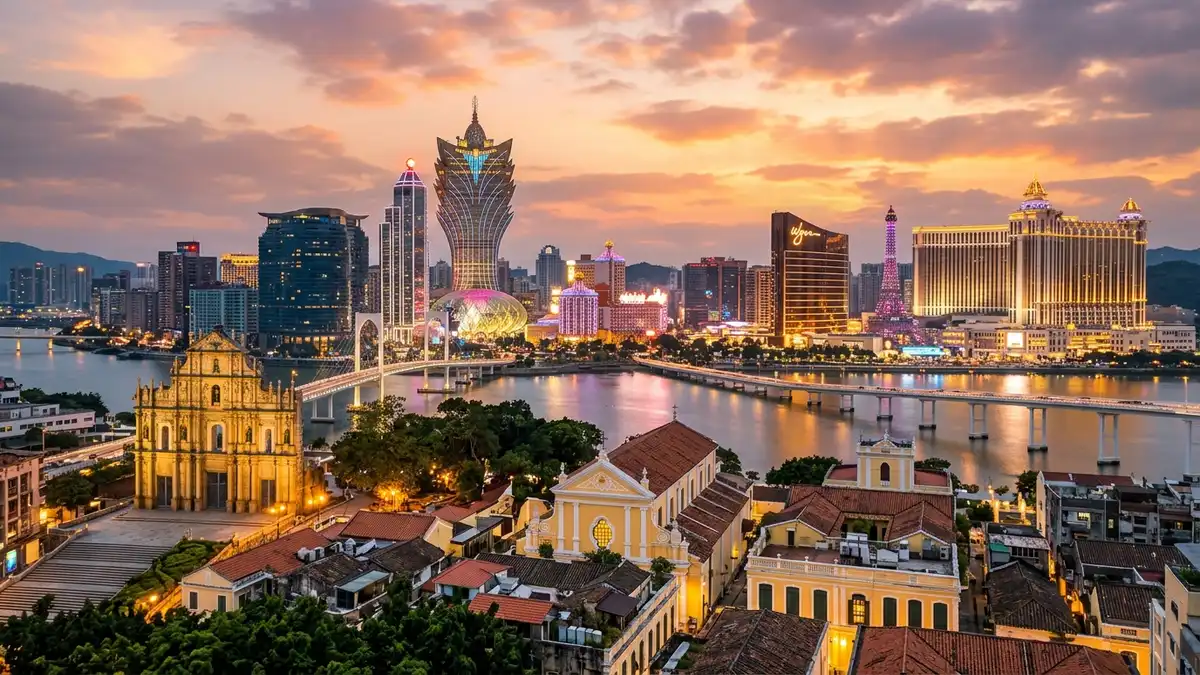
Macau is one of those places that defies easy description. Yes, the casinos are extraordinary — the Cotai Strip rivals anything Las Vegas has built — but reducing Macau to its gaming floors would be like visiting Mumbai only for Bollywood. The real magic lies in the collision of cultures. Portuguese colonial rule left behind cobblestoned streets, pastel-coloured churches, and a cuisine unlike anything else in Asia. Egg tarts, pork chop buns, and African chicken are all products of this unique culinary history, and Macau holds more Michelin stars per square kilometre than almost anywhere on earth. The Historic Centre of Macau is a UNESCO World Heritage Site, and wandering through the ruins of St. Paul's Cathedral or the old Senado Square feels genuinely transportive.
Getting from Macau International Airport into the city is straightforward — taxis are readily available and the territory is compact enough that most major hotels and the peninsula are reachable in under twenty minutes. Many of the larger casino resorts also operate free shuttle buses from the airport and the ferry terminals, which is worth checking when you book accommodation.
Timing your visit matters here. October through February is peak season, driven by Diwali travellers, Christmas holidaymakers, and the enormous surge around Chinese New Year. The atmosphere during these periods is electric but prices spike and hotels fill fast. If you want the buzz without the premium, aim for late September or early March — the weather remains pleasant and the crowds thin noticeably.
The one tip that genuinely transforms a Macau trip: don't sleep on the older Macau Peninsula. The Cotai Strip is dazzling, but the quieter streets of Taipa Village and the colonial quarter reward slow exploration in a way no casino floor ever will. Macau is small enough to do both in a single trip, and that contrast — ancient Portuguese tiles beside neon-lit towers — is exactly what makes this destination worth every rupee of the airfare.