


Route Briefing: Seattle to Nairobi
Seattle to Nairobi is one of those routes that genuinely rewards the effort of getting there. Yes, you're looking at around nineteen and a half hours of travel with a stop along the way, but what's waiting on the other end — wildlife, culture, and landscapes that feel genuinely unlike anywhere else on earth — makes every hour worthwhile. Ethiopian Airlines via Addis Ababa is the standout choice on this route, consistently offering competitive fares and well-timed connections, though Qatar Airways and Emirates are solid alternatives if you don't mind a Middle Eastern layover adding a bit of extra time.
On pricing, the sweet spot is under $900 roundtrip, which is genuinely achievable if you plan ahead. Standard fares push past $1,300, so booking three to six months in advance isn't just good advice — it's the difference between a bargain and an expensive lesson. Peak season runs June through August, which coincides with the famous wildebeest migration in the Maasai Mara, so if that's on your bucket list, expect to pay more and book earlier.
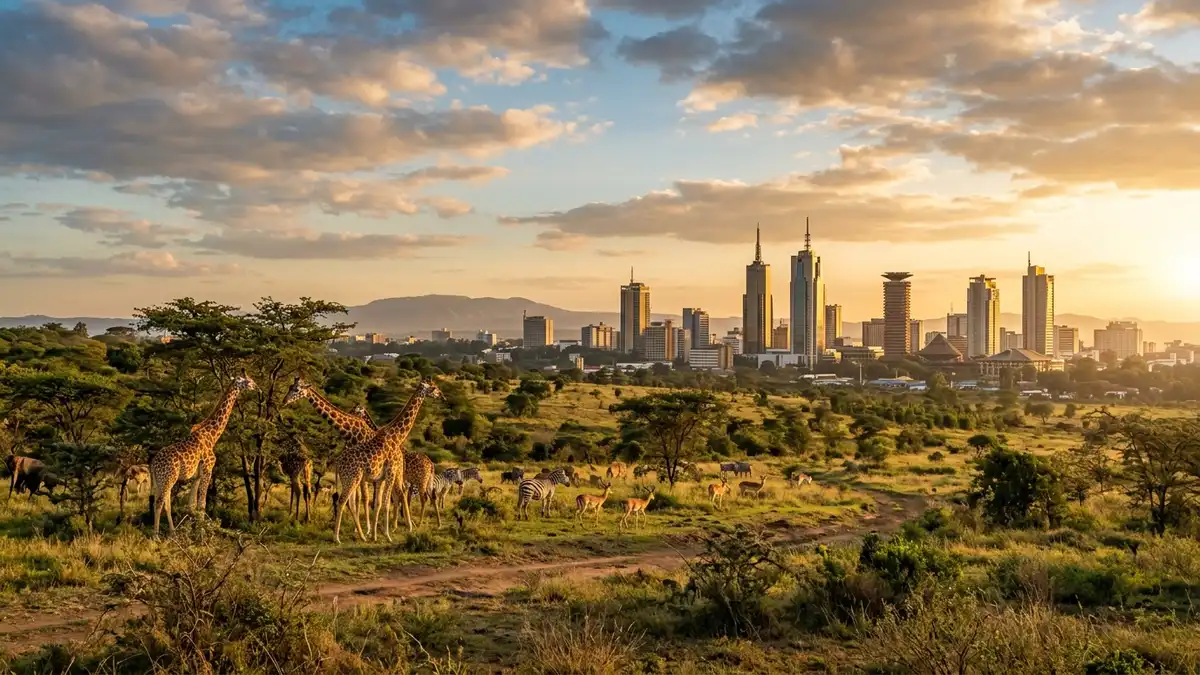
Nairobi itself tends to surprise first-timers. It's a fast-moving, cosmopolitan city with a serious food scene, excellent coffee culture, and a creative energy that doesn't always make it into the travel brochures. But the wildlife access is what makes it extraordinary. Nairobi National Park sits practically on the city's doorstep — you can genuinely watch lions against a skyline backdrop, which is a surreal and unforgettable experience. The Giraffe Centre offers something more intimate, letting you hand-feed Rothschild giraffes up close. And for the Maasai Mara, the classic safari destination, Nairobi serves as the natural jumping-off point.
Jomo Kenyatta International Airport is well-connected to the city centre, and taxis and ride-hailing apps are available at the airport — agree on a fare or use a metered option to avoid the inflated prices that can catch new arrivals off guard. The drive into the city gives you your first real sense of Nairobi's scale and energy.
If you're flexible on timing, consider traveling just outside peak season — May or September — when fares soften, crowds thin out, and the landscape is still lush and green. The wildlife viewing remains excellent, and you'll often find better availability at lodges and camps. That combination of lower cost and a less crowded experience is hard to argue with on a route this long and this rewarding.