


Route Briefing: Singapore to Shanghai
Six and a half hours is a remarkably short hop for a journey that feels like stepping between two entirely different worlds. Singapore and Shanghai share a certain electric ambition — both cities built on trade, both obsessed with the future — but Shanghai has a texture and scale that will genuinely stop you in your tracks, and this direct route makes getting there easier than most travellers realise.
Singapore Airlines and China Eastern both serve this route, with budget carrier Scoot offering a leaner option if you're happy to travel light. A good deal comes in under $350 roundtrip, which is exceptional value for a city of Shanghai's calibre — though if you're browsing fares above $600, you're firmly in standard territory and should probably wait. Book six to eight weeks out and you'll typically land in that sweet spot. The one timing trap to avoid: Chinese New Year in January or February and the October Golden Week holiday. Prices spike sharply and the city is at its most crowded, so unless those dates are non-negotiable, plan around them.
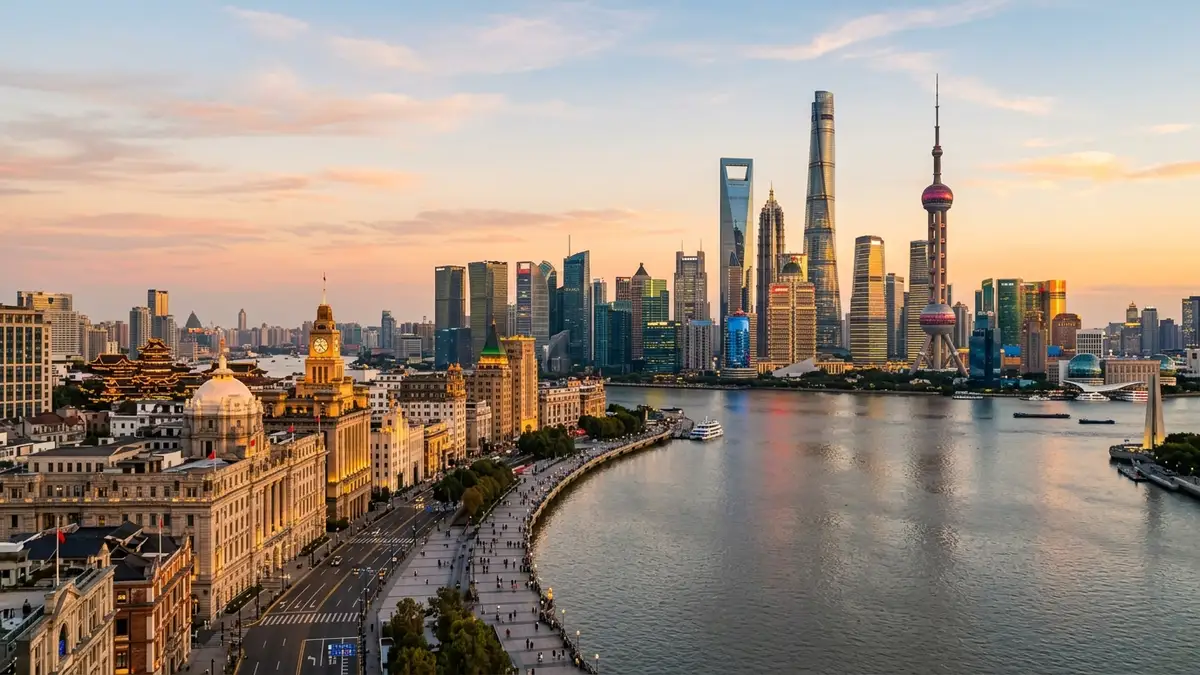
Shanghai itself rewards the curious traveller on multiple levels. The Bund is the obvious starting point — that famous waterfront strip where colonial-era European architecture faces off against the gleaming Pudong skyline across the Huangpu River. It's one of those rare urban panoramas that actually lives up to the photographs, especially at dusk when the towers light up. Pudong's Oriental Pearl Tower and the Shanghai Tower are worth seeing up close too; the latter is among the tallest buildings on earth. For something quieter and older, Yu Garden in the Old City is a beautifully preserved classical Chinese garden that offers genuine respite from the city's relentless pace.
Shanghai's food scene deserves serious attention. Xiaolongbao — those delicate soup dumplings — are the dish to seek out, and the city's Shanghainese cuisine more broadly leans toward sweeter, richer flavours than you might expect from northern Chinese cooking. Street food around the older neighbourhoods is excellent and affordable.
Arriving at Pudong International Airport, the Maglev train is one of the genuinely thrilling practical experiences the city offers — it connects the airport to the metro network at extraordinary speed and is a far smarter choice than sitting in taxi traffic on the expressway during peak hours.
The smartest money-saving move on this route is simple: travel in spring or autumn, book ahead, and let the fare tracker do its work. Shanghai in mild weather, without holiday crowds, is the version of this city that will make you want to come back.