


Route Briefing: Sydney to Chiang Mai
If you've ever dreamed of wandering through ancient temple courtyards at dawn while mist rolls down from jungle-covered mountains, the Sydney to Chiang Mai route is your ticket to one of Southeast Asia's most rewarding destinations. At around eleven and a half hours with a stop — most commonly through Bangkok — it's a manageable journey from Australia, and when you snag a fare under $600 roundtrip, it genuinely feels like a steal for the experience waiting at the other end.
Thai Airways and Bangkok Airways are the workhorses of this route, with Qantas operating codeshare options for those who prefer to earn frequent flyer points. Routing through Bangkok's Suvarnabhumi Airport is the most common connection, and it's worth knowing that Bangkok itself offers a surprisingly smooth transit experience if you have a longer layover and want to stretch your legs. Book two to four months ahead and you'll give yourself the best shot at locking in those sub-$600 fares — leave it too late and you'll be looking at $900 or more.
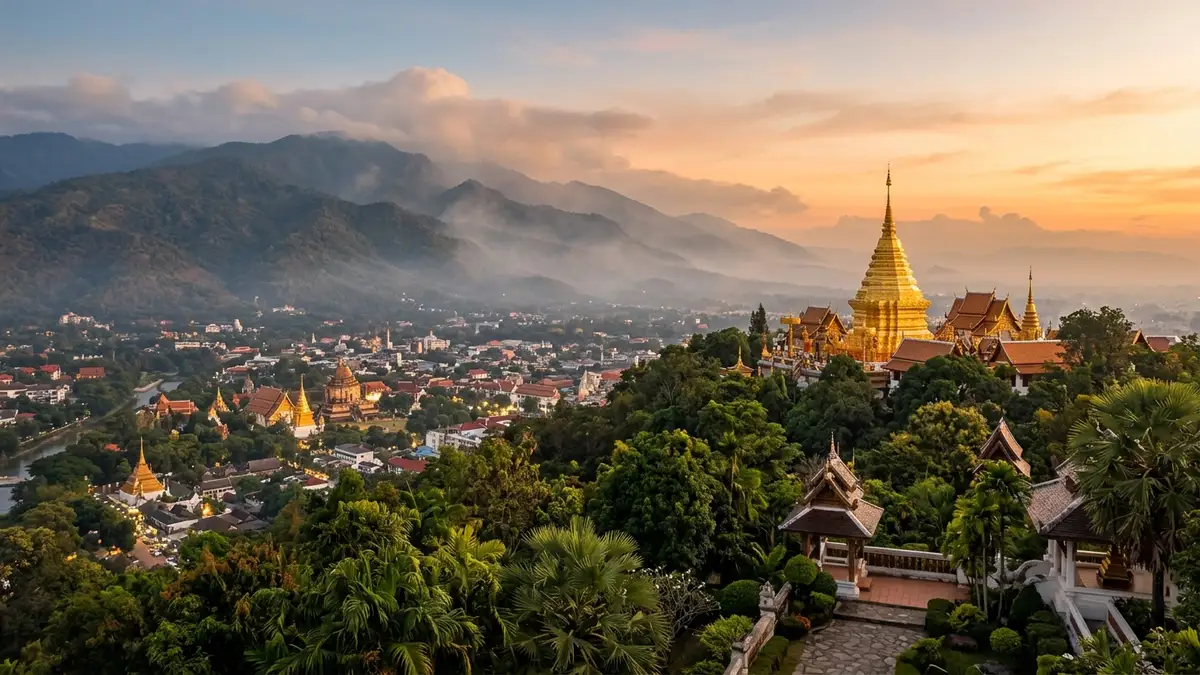
Timing matters enormously in Chiang Mai. The sweet spot runs from November through February, when the air is cool and clear, the skies are blue, and the city's famous night markets feel electric under comfortable temperatures. This is peak season for good reason — it's genuinely the most pleasant time to explore the city's more than 300 temples, including the stunning hilltop Doi Suthep, which offers panoramic views over the entire city. If you travel outside peak season, be aware that March and April can bring smoky haze from agricultural burning in the region, which affects air quality and visibility.
From Chiang Mai International Airport, the city centre is only a short distance away, and red songthaew shared taxis are a classic and affordable way to make that first journey into town — they're essentially the local transport backbone and a great introduction to how the city moves.
The real magic of Chiang Mai is in its layers. It's a city where you can spend a morning at a cooking class learning to make a proper green curry, an afternoon exploring the moat-ringed old city on foot, and an evening losing yourself in the Saturday or Sunday Walking Street markets. For trekkers, the surrounding mountains offer multi-day routes through hill tribe villages that feel genuinely remote.
One tip that pays dividends: base yourself inside or just outside the old city walls. You'll walk to most of what matters, save on transport, and wake up to temple bells rather than traffic noise. That alone transforms the experience.