


Route Briefing: Washington D.C. to Shanghai
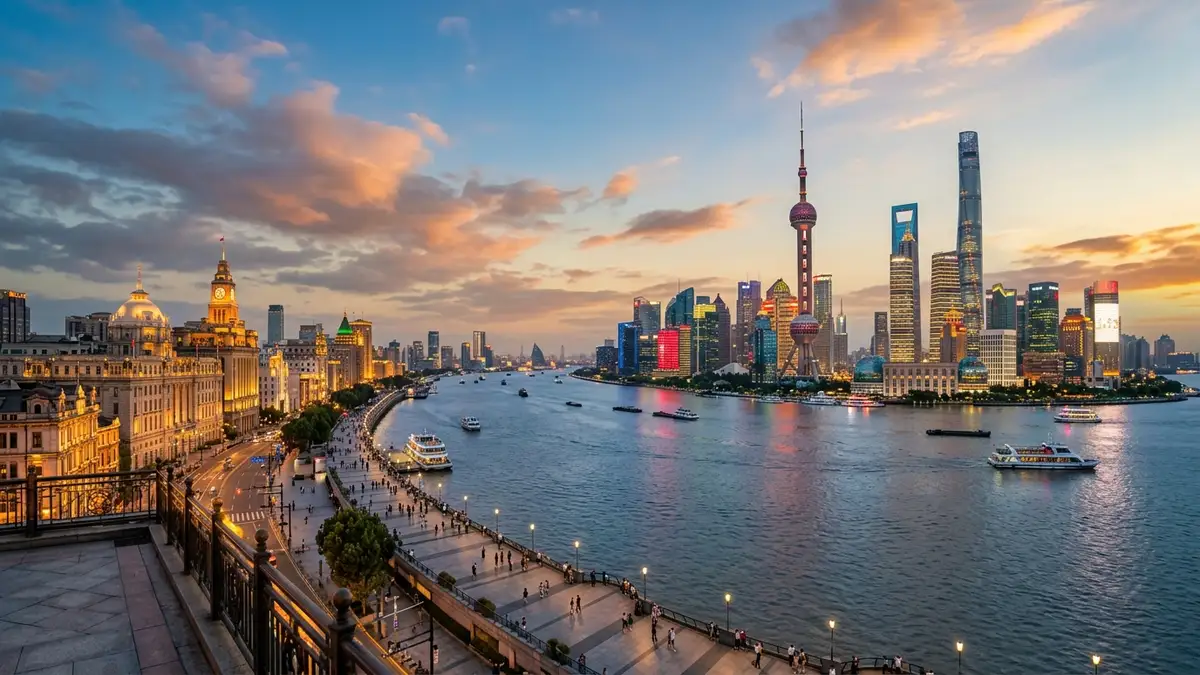
Few routes capture the imagination quite like the journey from Washington D.C. to Shanghai — trading the monuments of American democracy for one of Asia's most electrifying cities. It's a long haul at around 14 and a half hours with a typical connection, but Shanghai rewards every minute of that travel time the moment you step outside and see the Pudong skyline glittering across the Huangpu River.
Air China, China Eastern, and United Airlines all serve this route regularly, with connections commonly routing through Beijing or San Francisco. If you can snag a roundtrip fare under $600, grab it without hesitation — that's genuinely excellent value for a transcontinental journey of this magnitude. Standard pricing tends to run between $900 and $1,300 or more, so booking two to four months ahead gives you the best shot at the lower end. Avoid traveling around Lunar New Year or China's Golden Week holidays unless you book very early — domestic and international travel demand surges dramatically during those periods, and prices follow.
Shanghai itself is a city of beautiful contradictions. The Bund waterfront stretches along the western bank of the Huangpu, lined with grand colonial-era architecture that faces off against the soaring glass towers of Pudong across the water — it's one of the most visually striking urban panoramas on earth. Yu Garden, tucked into the old city, offers a completely different pace: classical Chinese pavilions, koi ponds, and winding corridors that feel worlds away from the financial district just minutes outside its walls. The city's food scene is equally layered, with Shanghainese cuisine known for its rich, slightly sweet flavors — soup dumplings, braised pork belly, and freshwater crab in season are all worth seeking out.
Arriving at Pudong International Airport, you have a genuinely fun transport option into the city: the Maglev train, one of the fastest commercial trains in the world, connects the airport to a metro interchange in a matter of minutes. From there, Shanghai's extensive metro network can take you almost anywhere in the city affordably and efficiently.
In terms of timing, spring and autumn offer the most pleasant weather — summers are hot and humid, while winters can be grey and chilly. June through August is peak tourist season, so if you prefer smaller crowds and more comfortable temperatures, aim for April, May, October, or November.
One tip that genuinely pays off: download a VPN before you leave home. Many Western apps and websites are restricted in China, and having one set up in advance keeps you connected to the tools you rely on throughout your trip.