


Route Briefing: Atlanta to Curaçao
If you've been sleeping on Curaçao as a Caribbean destination, this route from Atlanta is your wake-up call. At around six and a half hours with one stop, you're not exactly hopping a puddle jumper, but the payoff on the other end — a Dutch Caribbean island that feels genuinely unlike anywhere else in the region — makes every minute worthwhile. Snag a roundtrip fare under $500 and you've done very well for yourself. Anything under that threshold is a genuine steal worth jumping on immediately.
American Airlines, United, and Copa Airlines all service this route, typically routing you through Miami or Panama City. The Miami connection tends to be smooth and familiar for Atlanta travelers, while Copa's Panama City hub is worth considering if the price is right — it often is. Book two to four months out to land the best fares, and keep an eye on both connection cities when comparing prices, since the gap between them can be meaningful.
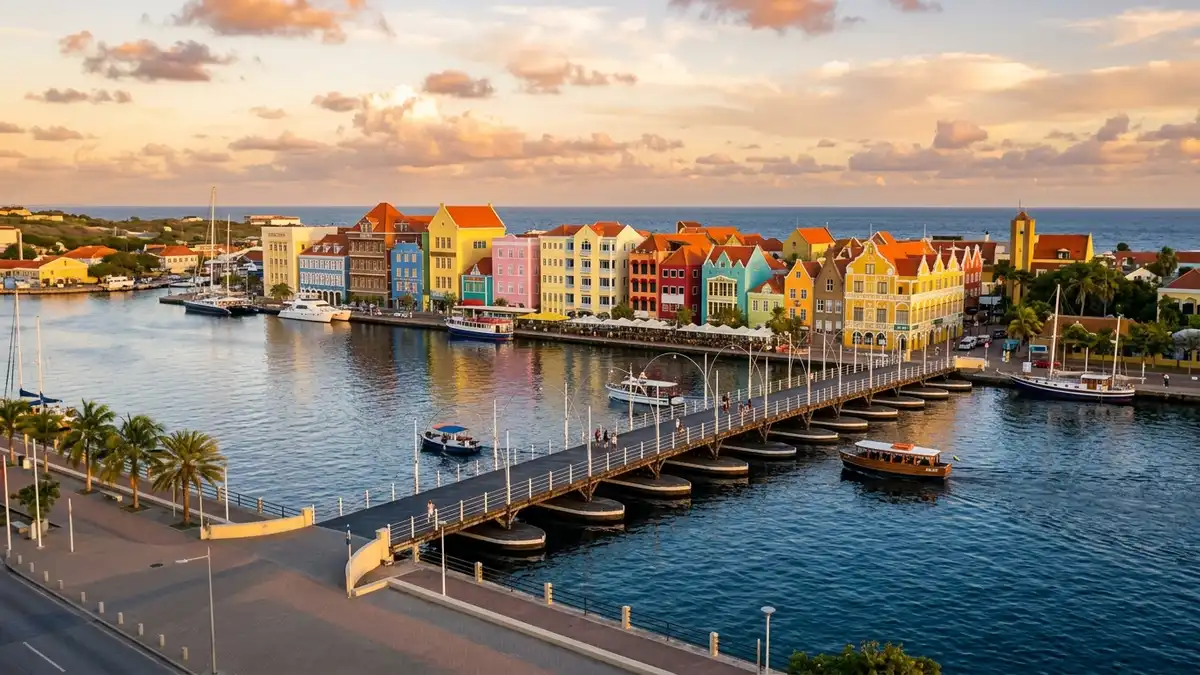
Willemstad, Curaçao's capital, is the kind of place that stops you in your tracks the moment you arrive. The waterfront district of Handelskade, lined with those iconic pastel-painted Dutch colonial buildings, looks almost too photogenic to be real — but it is, and it's been that way for centuries. The floating Queen Emma Bridge connects the two sides of the city center and swings open to let ships pass, which is one of those small moments that somehow never gets old.
Beyond the postcard scenery, Curaçao has serious credentials for divers and snorkelers. The island sits outside the hurricane belt, which means the underwater visibility is consistently excellent and the coral reefs are in remarkably good shape. Even if you've dived across the Caribbean, Curaçao's walls and wrecks tend to impress.
The beaches here reward exploration. The more popular spots are lovely, but rent a car and you'll find quieter coves tucked along the island's rugged coastline that feel like personal discoveries.
Peak season runs December through April, when the weather is driest and the island is busiest. That said, Curaçao's climate is arid year-round — it sits well south of the main hurricane track — so traveling outside peak season is a legitimate strategy for thinner crowds and lower fares without the weather gamble you'd take elsewhere in the Caribbean.
One tip worth taking seriously: once you've landed at Hato International Airport, sort out your transportation before you leave the terminal. Renting a car genuinely unlocks the island in a way that taxis alone won't. Curaçao is compact enough to be manageable, and having wheels means you'll actually find those hidden beaches rather than just reading about them.