


Route Briefing: Dublin to Kigali
There are routes that simply take you somewhere different, and then there are routes that take you somewhere transformative. Dublin to Kigali is firmly in the second category. At around 14 and a half hours with one stop, it's a commitment — but the kind that pays back generously the moment you land in one of Africa's most quietly remarkable cities.
Ethiopian Airlines and Kenya Airways handle this route well, routing through Addis Ababa and Nairobi respectively, both of which are solid hub connections with decent transit experiences. RwandAir also serves the route and is worth checking. If you're hunting for value, anything under $900 roundtrip is a genuine deal — standard fares tend to sit between $1,200 and $1,600, so booking two to four months ahead gives you the best shot at the lower end. Ethiopian Airlines and Kenya Airways tend to be the most price-competitive, so start your search there.
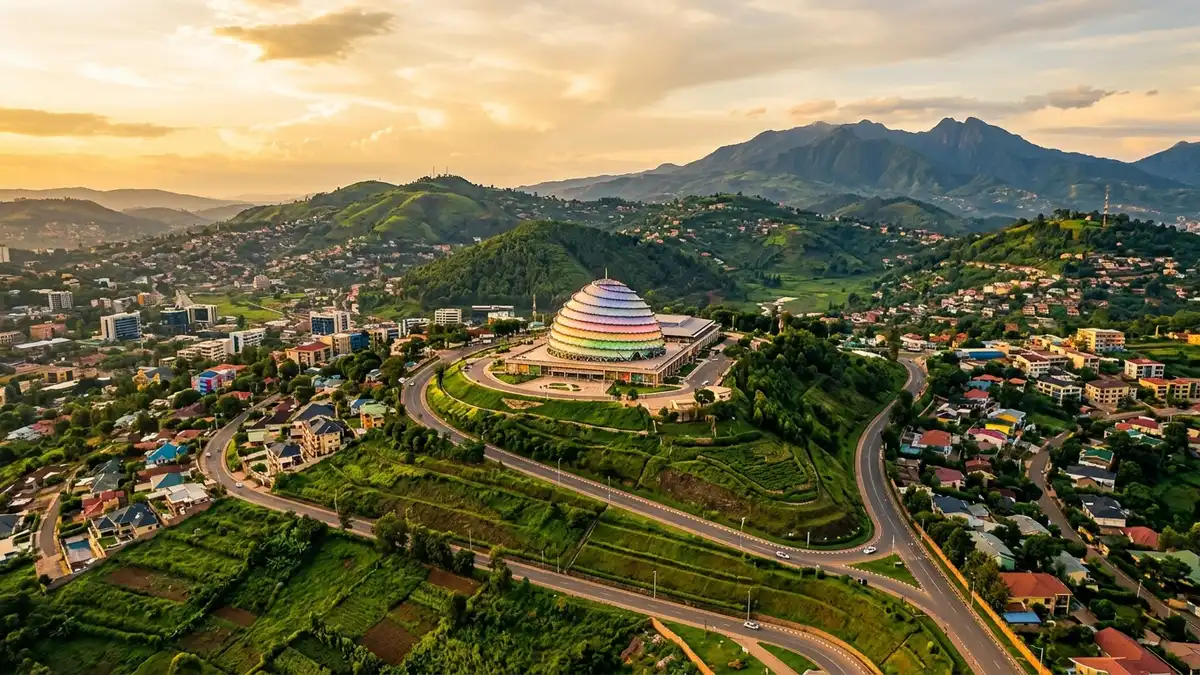
Kigali itself will likely surprise you. It's consistently recognised as one of the cleanest, most orderly cities on the African continent — streets are genuinely immaculate, the infrastructure is modern, and there's an energy here that feels purposeful and forward-looking. The city sits across a series of hills, giving it a dramatic, undulating skyline unlike anywhere else in the region. The Kigali Genocide Memorial is a deeply important and sobering visit that helps you understand the country's extraordinary journey of reconciliation and renewal — it's not easy, but it's essential.
Beyond the city, Rwanda's real draw for many travellers is gorilla trekking in Volcanoes National Park, where permits allow you to spend time with mountain gorilla families in their natural habitat. It's one of the genuinely rare wildlife experiences left on earth. The country is also home to Nyungwe Forest, excellent for chimpanzee tracking and canopy walks.
Kigali International Airport sits close to the city centre, making arrival straightforward — taxis are readily available and the journey into town is short. The local currency is the Rwandan franc, though US dollars are widely accepted in tourist-facing businesses.
In terms of timing, July through August and December are peak season, bringing higher prices and more visitors. If your schedule allows, travelling in the shoulder periods around those windows gets you better fares and thinner crowds while still enjoying manageable weather. Rwanda sits close to the equator, so temperatures stay relatively consistent year-round — it's the rainfall patterns that shift more than the heat.
One tip worth keeping in mind: Rwanda has strict regulations around single-use plastics, so leave plastic bags at home or pack them away before arrival. It's a small thing that reflects the country's broader ethos — and it's a rule taken seriously at the border.