


Route Briefing: Las Vegas to Havana
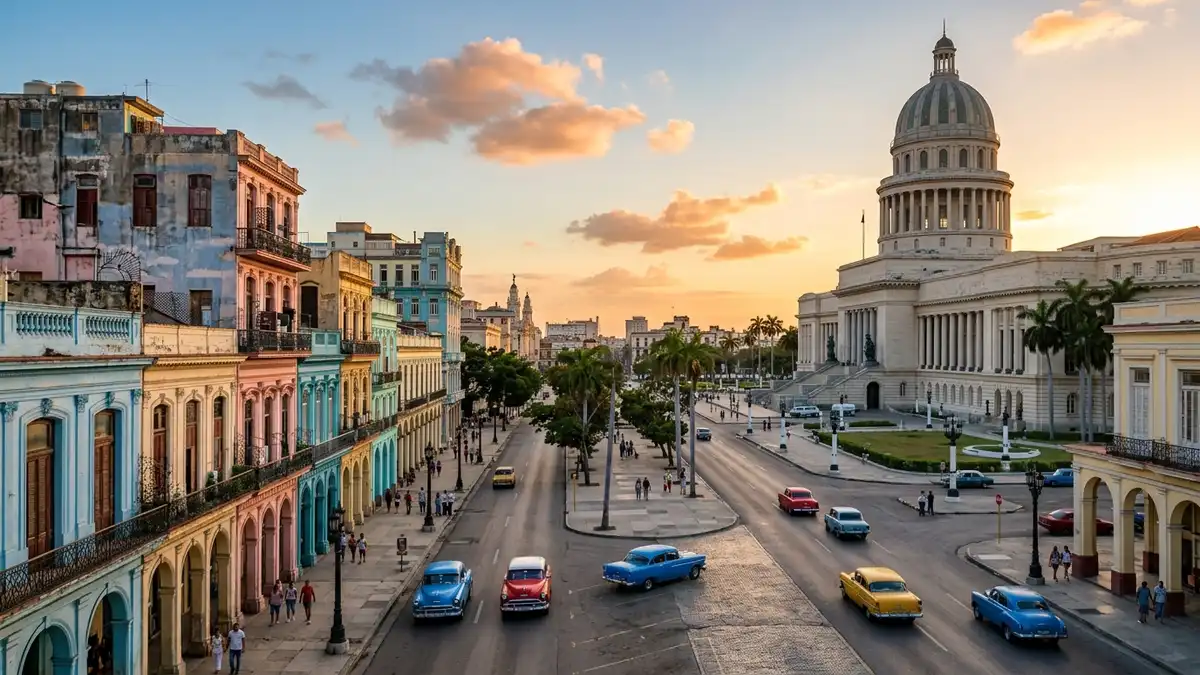
There are few flights that feel like genuine time travel, but the journey from Las Vegas to Havana is one of them. You leave behind a city built on neon and novelty, and roughly nine and a half hours later — with a connection along the way — you step into a place where 1950s American cars cruise the Malecón seawall and salsa spills out of open doorways at all hours. The contrast alone is worth the trip.
Because US-Cuba routes operate under federal regulations, this isn't a flight you can book on a whim. American travelers must qualify under one of the authorized travel categories — family visits, journalism, educational activities, and others — since pure leisure tourism remains restricted. Get that sorted before you even look at fares, and once you do, move quickly. Availability on these routes is genuinely limited, and booking three to five months ahead is the smart play. A roundtrip under $500 is a real find; expect standard fares to run $700 to $900 or more. American Airlines, United, and Southwest all serve the route, so it's worth checking all three.
Timing matters here too. Havana's peak season runs December through March, when the Caribbean climate is at its most agreeable — warm, relatively dry, and perfect for wandering the cobblestone streets of Old Havana, a UNESCO World Heritage Site. The baroque cathedral, the grand plazas, the pastel Art Deco facades catching the afternoon light — it's a city that rewards slow walking. Outside peak season, you'll find fewer visitors and lower fares, though the summer months bring humidity and the possibility of tropical storms.
On arrival at José Martí International Airport, taxis are the most straightforward way into the city center. One practical note: US credit and debit cards generally do not work in Cuba, so arrive with enough cash — in euros or Canadian dollars, which typically convert more favorably than US dollars — to cover your entire stay. This is not a minor detail; it's the thing most first-timers wish someone had told them clearly.
The single best thing you can do to deepen the experience is simply to slow down. Havana isn't a city you check off a list. It's one you absorb — through a conversation with a musician in a courtyard, a late evening on the Malecón watching the waves, or the particular golden light that falls over the city at dusk. Las Vegas deals in spectacle. Havana deals in soul. That's a trade worth making.