


Route Briefing: Los Angeles to Cusco
Flying from Los Angeles to Cusco is one of those journeys that genuinely earns every hour in the air. At around 14 and a half hours with one or two stops, it's not a quick hop — but what waits on the other end is the former capital of the Inca Empire, a city that layers 500-year-old Spanish colonial churches directly on top of precisely cut Inca stonework, all sitting at a lung-testing 11,000 feet above sea level. This is the launching pad for Machu Picchu, yes, but Cusco itself is worth the trip on its own terms.
The most common routing takes you through Lima, which is both the cheapest and most practical way to connect. LATAM Airlines, American, and United all serve this route, and LATAM in particular has strong coverage throughout Peru. A roundtrip under $600 is a genuinely good deal here — standard fares push past $900 — so if you spot something in that lower range, it's worth jumping on. Booking two to four months ahead gives you the best shot at those fares, especially if you're targeting the dry season between June and August, when the skies over the Sacred Valley are reliably clear and the trails are at their most accessible. That's also peak tourist season, so prices for everything rise accordingly.
The altitude is the single most important practical consideration on this trip. Give yourself at least a full day in Cusco before attempting any serious hiking or day trips. Drink plenty of water, take it slow, and don't be surprised if you feel short of breath just climbing a staircase. Coca tea, widely available throughout the city, is a traditional local remedy that many travelers swear by for easing altitude symptoms.
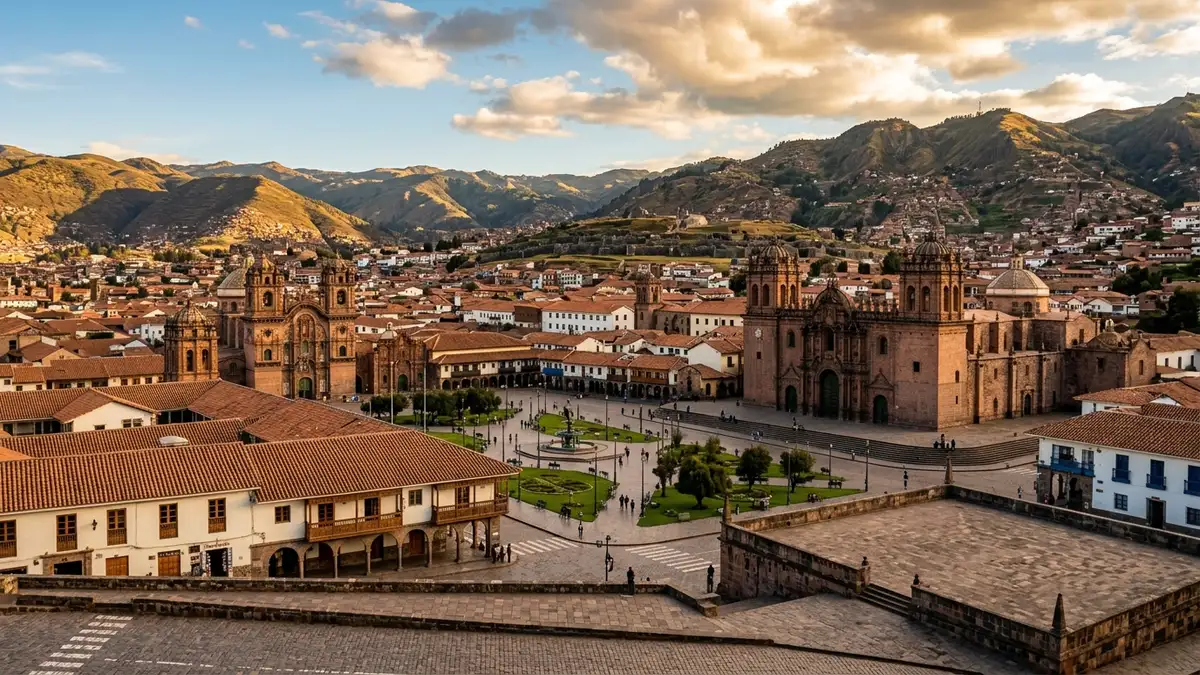
Cusco's Plaza de Armas is one of the most impressive main squares in all of South America, ringed by colonial arcades and the imposing cathedral built partly from stones taken from Inca temples. The San Blas neighborhood, a short walk uphill, is full of artisan workshops and has a distinctly quieter, more intimate feel than the main tourist drag. And of course, the train journey to Aguas Calientes — the base town for Machu Picchu — is spectacular in its own right, winding through the cloud forest along the Urubamba River.
The best money-saving move is simple: be flexible on travel dates within the shoulder seasons of April, May, or September. You'll find lower airfares, thinner crowds at the ruins, and weather that's still largely cooperative. That combination is hard to beat.