


Route Briefing: New York to Cusco
Few routes from New York carry the same sense of genuine adventure as the flight down to Cusco. You're trading the Manhattan skyline for the ancient heart of the Inca Empire — a city perched at 11,000 feet in the Peruvian Andes where Spanish colonial cathedrals sit directly atop Inca stonework, and the streets feel like a living archaeology lesson. That contrast alone makes the journey worth every hour in the air.
The routing runs around 13 and a half hours with a connection through Lima, which is the standard way in. LATAM Airlines, American, and United all serve this corridor, and Lima's Jorge Chávez International Airport is your transfer hub. When you're shopping for tickets, pay close attention to your layover time in Lima — a tight connection is stressful, but an unnecessarily long one eats into your precious time in Cusco. Aim for something manageable in the middle. A solid roundtrip fare comes in under $600, while standard pricing tends to hover above $900, so there's real money to be saved if you time your search right. Booking two to four months ahead is your best move — Cusco draws travelers from all over the world and demand stays high year-round.
Once you land at Alejandro Velasco Astete International Airport, the city center is genuinely close — the airport sits right within the urban area, so getting to your accommodation is straightforward and quick compared to many destinations.
Now, the altitude is not a detail to brush past. Arriving at 11,000 feet after a long travel day will humble even seasoned travelers. Give yourself at least a day or two to acclimatize before attempting any serious hiking or the trip up to Machu Picchu. Drink plenty of water, take it slow, and consider coca tea, which locals swear by for easing altitude adjustment.
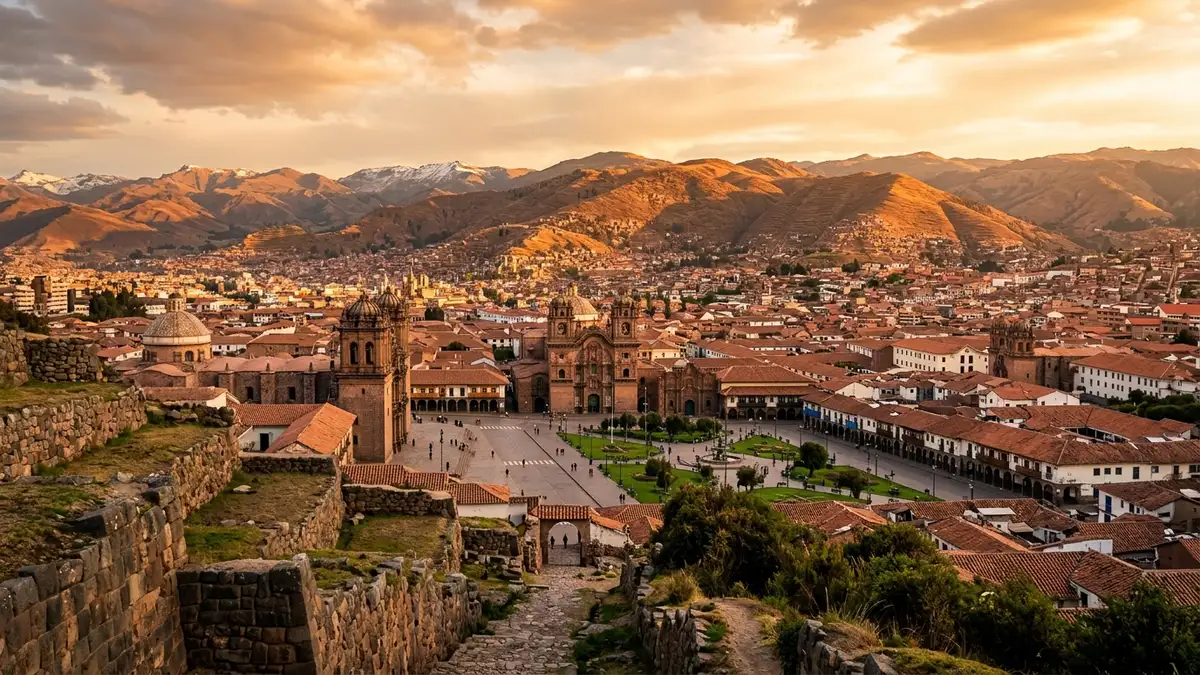
The peak season runs June through August — dry, clear skies, ideal conditions for the Inca Trail and the Sacred Valley. It's also the busiest and most expensive window. If you want a quieter, more atmospheric experience, the shoulder months on either side offer a compelling trade-off. The city itself rewards slow exploration: the Plaza de Armas, the Sacsayhuamán fortress ruins above the city, and the neighborhoods of San Blas with its artisan workshops are all worth unhurried time.
The single best experience-enhancing tip? Book your Machu Picchu entry and any train tickets to Aguas Calientes well before you leave home. Availability genuinely runs out, especially in peak season, and nothing is more deflating than arriving in Cusco only to find the main event is sold out.