


Route Briefing: Miami to Cusco
Flying from Miami to Cusco is one of those journeys that genuinely earns its travel time. At around nine and a half hours with a stop, you're not crossing the world — but when you land, it'll feel like you have. Most flights connect through Lima, which is actually the most reliable and often the most affordable routing, with LATAM Airlines, American Airlines, and Copa Airlines all running solid options on this corridor. If you can snag a roundtrip under $500, grab it without hesitation — that's a genuinely good deal on a route where standard fares regularly climb past $750. Book two to four months out, because Cusco is not a secret, and the seats fill up fast.
The altitude is the first thing anyone should know before arriving. Cusco sits at roughly 11,000 feet above sea level, and your body will notice. Take it slow on day one, drink plenty of water, and resist the urge to immediately sprint up every Inca staircase you see. Many travelers swear by coca tea, which locals drink freely and which is widely available throughout the city — it's a traditional remedy for altitude adjustment and worth trying.
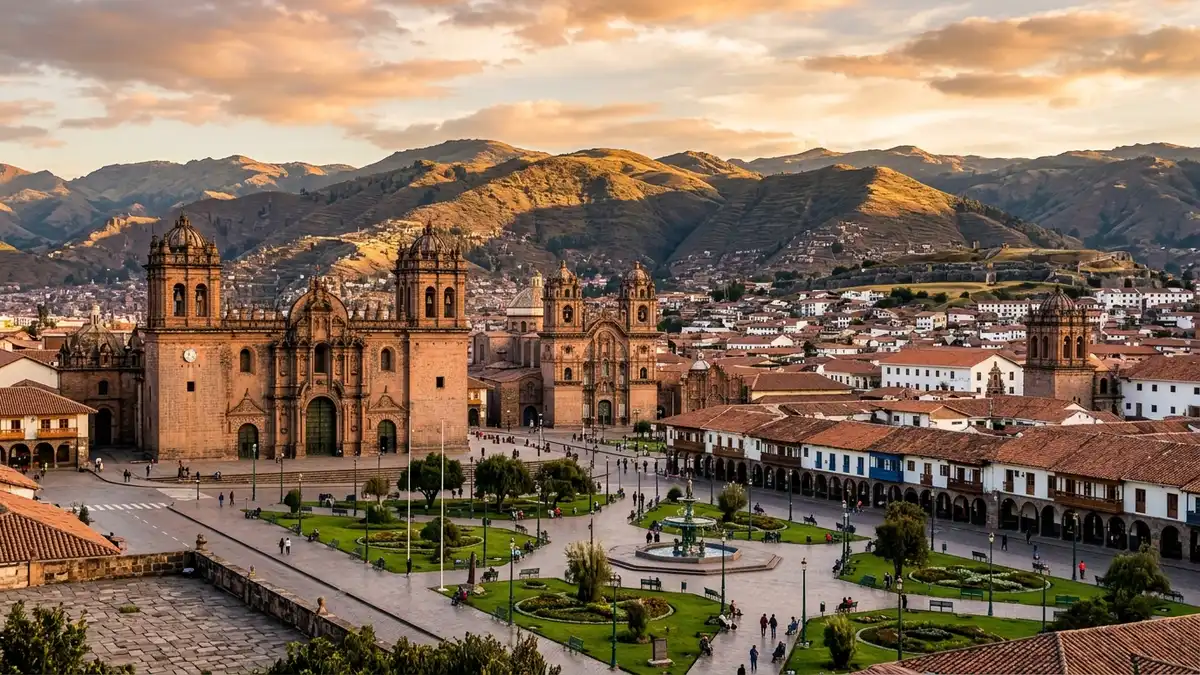
Once you've settled in, Cusco rewards you at every turn. The city itself is extraordinary — a living collision of Inca stonework and Spanish colonial architecture, where you'll find ancient walls seamlessly incorporated into churches and plazas built centuries later. The Plaza de Armas is the beating heart of the city, surrounded by impressive cathedral facades and always buzzing with life. The nearby neighborhood of San Blas, with its narrow cobblestone lanes and artisan workshops, is worth an afternoon of wandering.
And then there's Machu Picchu. The lost Inca citadel is the reason most people make this trip, and it absolutely delivers on its reputation. Getting there typically involves a train journey through the Sacred Valley — a spectacular ride in itself — followed by a bus up to the site. Book your entry tickets and train well in advance, especially if you're traveling between June and August, which is peak season and sees the heaviest crowds alongside the clearest skies.
If you want the magic with fewer people, consider visiting in the shoulder months of April, May, or September. The weather is still generally pleasant, the landscape is lush, and you'll share the ruins with a noticeably smaller crowd. That alone can transform the experience from impressive to genuinely unforgettable.